HEALTHCARE & PHARMACEUTICAL FLOORING FOR HYGIENE-CRITICAL ENVIRONMENTS

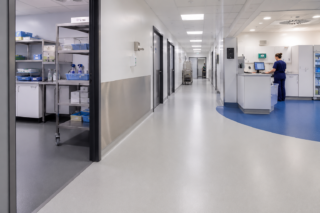
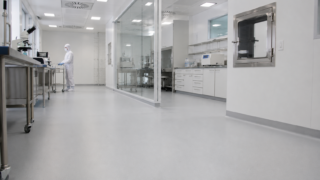
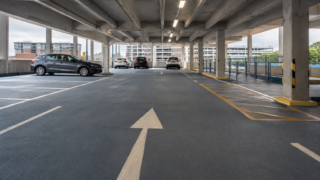
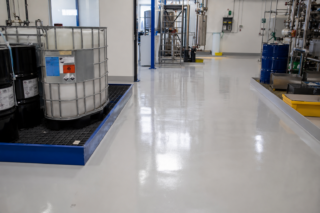
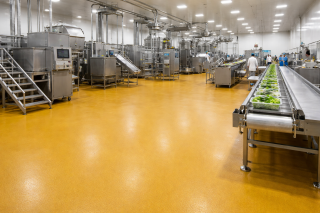
Zenith Flooring installs seamless resin flooring across pharmaceutical production, laboratories, cleanrooms and selected healthcare environments throughout the UK. Each system is specified around the cleaning regime, chemical exposure, traffic, contamination controls and detailed interfaces within the area. Our scope can include substrate preparation, repairs, floor levelling, coving and the final resin finish.

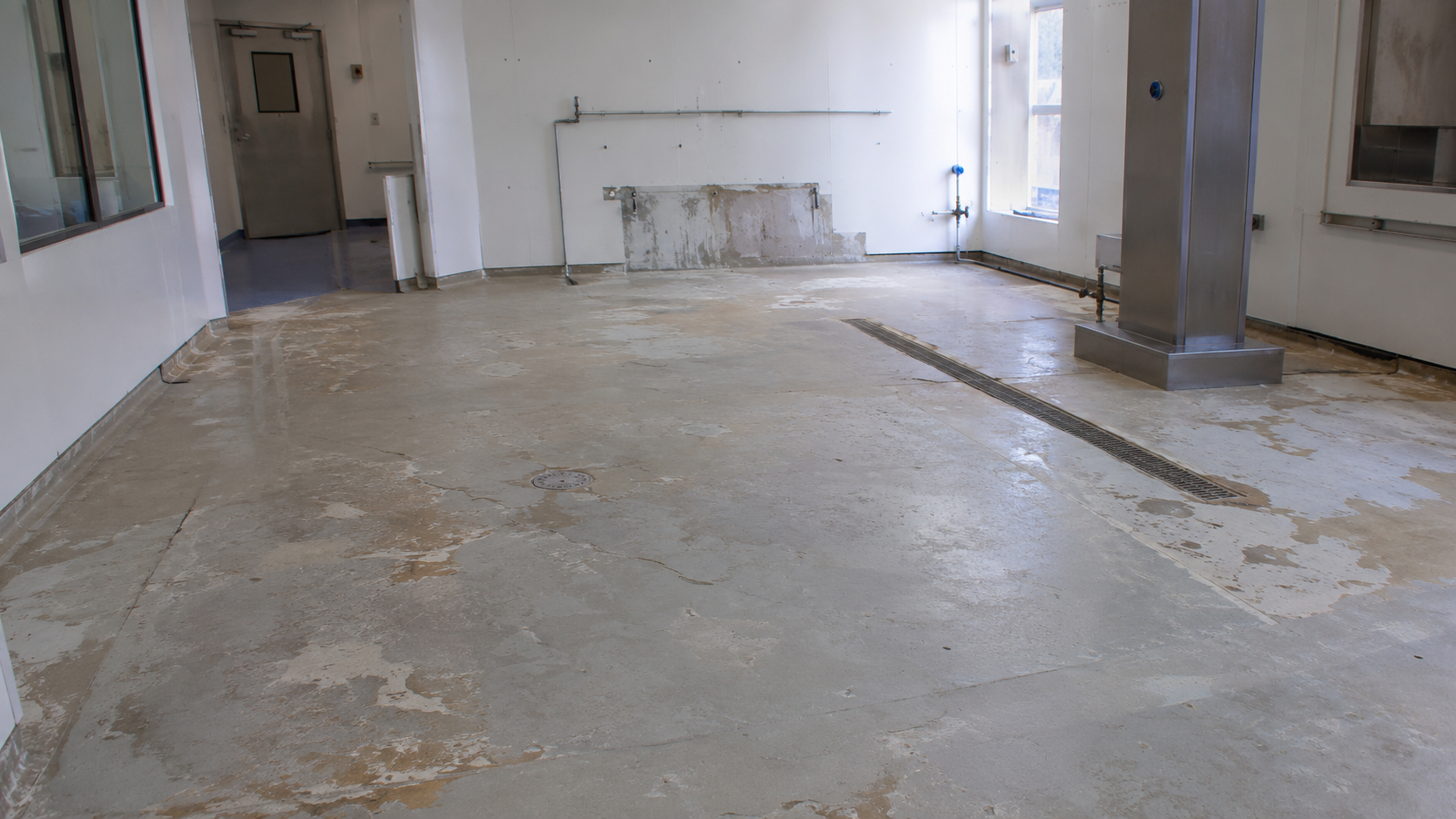
healthcare-flooring-beforehealthcare-flooring-after

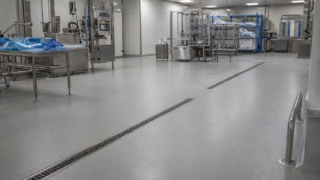
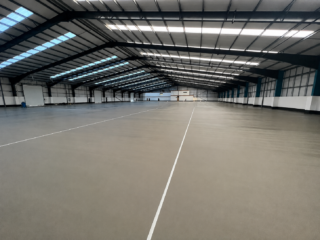
FROM DAMAGED SUBSTRATE TO A CONTINUOUS, CLEANABLE FINISH

Cracked coatings, open joints, failed repairs and poorly detailed floor-to-wall junctions can make controlled environments more difficult to clean, inspect and maintain. In healthcare and pharmaceutical settings, these defects are more than cosmetic because they interrupt the continuity of the finished surface.

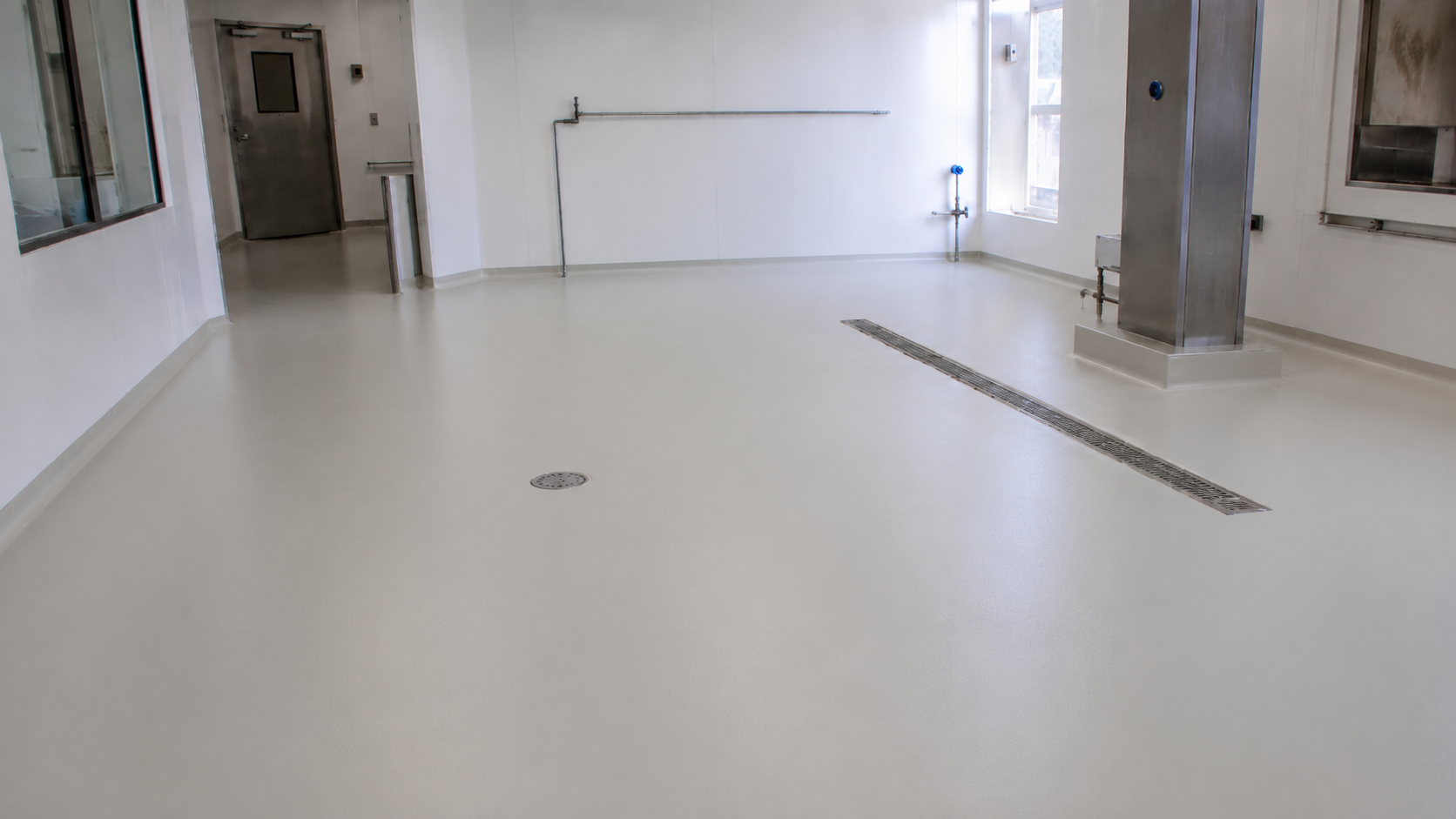
Zenith Flooring removes unsuitable material, repairs the underlying substrate and installs the selected resin system around coves, thresholds, drains, columns and fixed equipment. The completed floor provides a durable, maintainable finish developed around the hygiene and operational requirements of the area.

NHS HBN 00-10 provides healthcare-specific policy and performance guidance for flooring, while pharmaceutical manufacturing facilities may also be governed by the applicable GMP requirements within EudraLex Volume 4.

HYGIENIC RESIN FLOORING SYSTEMS

RESIN FLOORING FOR CLINICAL, LABORATORY & PHARMACEUTICAL AREAS.

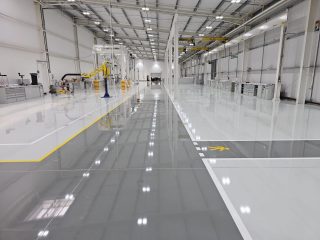
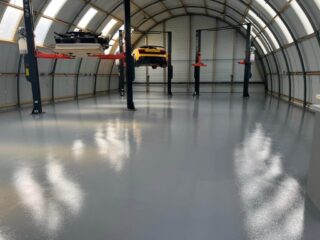
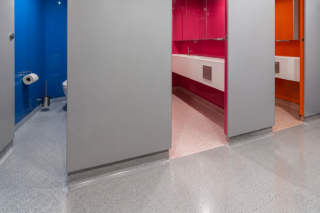
Zenith Flooring installs smooth resin floors, cleanroom finishes and heavier-duty production systems across healthcare and life-science facilities. The resin chemistry, system thickness and surface profile are selected around the substrate, required cleaning standard, chemical exposure, wheeled traffic and operating conditions.

Working alongside leading brands

WORK WITH ZENITH

Ready to move your project forward?

Every site presents different technical, operational and programme requirements. We start by understanding the environment, the existing condition and the outcome you need, before recommending a flooring or roofing solution that can be delivered safely, efficiently and with lasting performance.

FLOORING THAT CAN BE CLEANED, INSPECTED & KEPT IN SERVICE

Healthcare and pharmaceutical floors must remain practical throughout daily operation, cleaning and planned maintenance. Performance depends on more than the visible resin finish: preparation, repairs, joints, coving and interfaces all contribute to the completed surface.

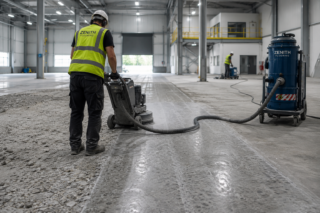
Zenith Flooring manages the installation from substrate assessment and mechanical preparation through to resin application and handover. The working method can be coordinated with principal contractors, estates teams, validation stakeholders and other specialist trades operating within the facility.

CONTINUITY AT COVES, JOINTS & PENETRATIONS

The most vulnerable parts of a hygienic floor are often found where it meets another element of the building. Zenith can form resin coving and prepare details around walls, columns, thresholds, drainage, service penetrations and equipment bases. Failed previous details are removed and repaired rather than simply overcoated. This reduces abrupt ledges and poorly resolved junctions while creating a more consistent surface for inspection and cleaning.

CHEMICAL RESISTANCE MATCHED TO THE PROCESS

Cleaning products, disinfectants, pharmaceutical materials and laboratory chemicals place different demands on a resin floor.

The relevant substances, concentrations, temperatures and likely contact periods should be considered before the system is selected. A finish suitable for routine detergent cleaning may not provide the same resistance required around concentrated chemicals, wash areas or specialist production processes. Zenith develops the resin proposal around the available chemical information and the manufacturer’s stated resistance data rather than relying on a general claim that the floor is chemically resistant.

BALANCING CLEANABILITY, TRAFFIC & SLIP RESISTANCE

A smooth floor is generally straightforward to clean, but some areas may require additional texture because of liquids, gradients or the way people and equipment move through the space.

Zenith selects the surface profile around the expected conditions. Predominantly dry laboratories and clinical-support spaces may require a smooth finish, while wash areas, entrances and production zones may benefit from a controlled aggregate texture. The objective is to introduce the necessary grip without creating an unnecessarily coarse surface that retains residues or obstructs effective cleaning.

INSTALLATION WITHIN SENSITIVE WORKING ENVIRONMENTS

Healthcare and pharmaceutical projects may involve occupied buildings, controlled access, permit systems and limited shutdown periods.

Zenith can phase preparation and installation by room, corridor or production zone where the layout permits. Dust extraction, isolation, material movement and protection of adjoining areas can be incorporated into the agreed working method. Rapid-curing repairs and resin systems may help reduce downtime in suitable conditions, but curing, cleaning and return-to-service periods must still follow the selected specification.

The correct system depends on the room function, cleaning regime, chemical exposure, traffic and relevant project standards.

Smooth epoxy or polyurethane resin flooring may suit laboratories, pharmacies, clinical-support areas and dry production rooms. Heavier resin screeds or polyurethane cement systems may be required where the floor encounters intensive cleaning, liquids, impact, thermal change or demanding production activity.

A facility will often require several compatible systems rather than one specification throughout.

Yes. Seamless resin flooring is commonly specified for cleanrooms, laboratories and other controlled environments because it can provide a continuous, low-shedding and easily maintained surface.

The system must still be selected around the cleanroom classification, chemicals used, cleaning process, wheeled traffic and any requirements for electrostatic control. Coving, thresholds, joints and service penetrations should also be included within the specification rather than treated as secondary details.

“Pharmaceutical-grade flooring” is a broad commercial term rather than a complete technical specification.

A suitable floor may need defined chemical resistance, surface continuity, cleanability, durability, slip resistance or electrostatic performance. The facility may also be subject to GMP requirements, client standards or validation procedures.

Zenith develops the flooring proposal around the documented room and process requirements instead of relying on a generic pharmaceutical-grade label.

Some resin flooring products contain antimicrobial additives, but the presence of an additive does not make a floor sterile or replace cleaning and infection-control procedures.

Any antimicrobial claim should be supported by the named manufacturer, recognised test data and the limitations stated for that particular product. The more fundamental flooring considerations remain continuity, cleanability, correct detailing, resistance to the cleaning regime and prompt repair of damage.

Zenith avoids presenting antimicrobial flooring as a substitute for operational hygiene controls.

An existing concrete or compatible resin floor may be suitable for refurbishment after assessment and mechanical preparation.

Failed coatings, weak material, contamination and unsuitable repairs must be removed. Cracks, damaged concrete, moisture conditions and changes in level may also require treatment before the new resin system is installed.

Existing tiles or other finishes should not be overlaid automatically. Their bond, stability and compatibility must first be established.

Yes. Resin coving, upstands and detailing around drains, thresholds, columns, service penetrations and equipment bases can form part of the flooring package.

Where static-sensitive equipment or processes are present, Zenith can also install a compatible conductive or static-dissipative resin system. Electrical performance, grounding arrangements and testing requirements should be defined within the wider ESD specification before installation begins.

The programme and quotation depend on the floor area, existing substrate, preparation requirements, selected system and complexity of the detailing.

Coating removal, repairs, moisture control, levelling, coving, drainage interfaces, controlled access and work outside normal hours can all affect the scope. Validation requirements, handover testing and restrictions within occupied or live production areas may also influence the programme.

Providing room schedules, drawings, photographs, cleaning and chemical information, applicable specifications and the available shutdown period will help Zenith prepare an appropriate proposal.

ALL ZENITH FLOORING SERVICES

GET STARTED

Tell us a little about your project and the service you require. A member of the Zenith team will review your enquiry and contact you to discuss the next steps.