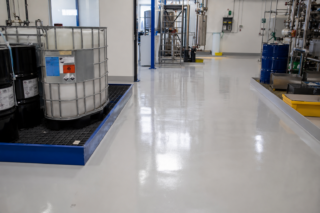
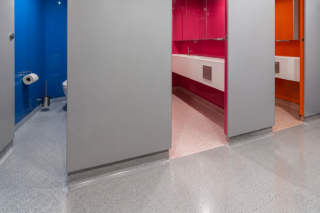
ESD FLOORING FOR STATIC-CONTROLLED ENVIRONMENTS

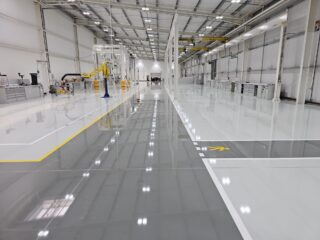
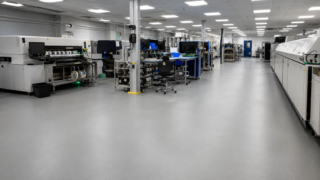
Zenith Flooring installs seamless electrostatic discharge flooring for environments in which uncontrolled static can affect sensitive equipment, components or processes. Our conductive and static-dissipative resin systems are specified around the project’s electrical-performance criteria, substrate condition, operational demands and wider ESD control plan. Applications range from data centres and electronics facilities to laboratories, cleanrooms, test areas, control rooms and advanced manufacturing environments.

esd-copper-lines-zenith-flooring-beforeesd-flooring-safety-line-marking-zenith-flooring

BUILDING STATIC CONTROL INTO THE FLOOR

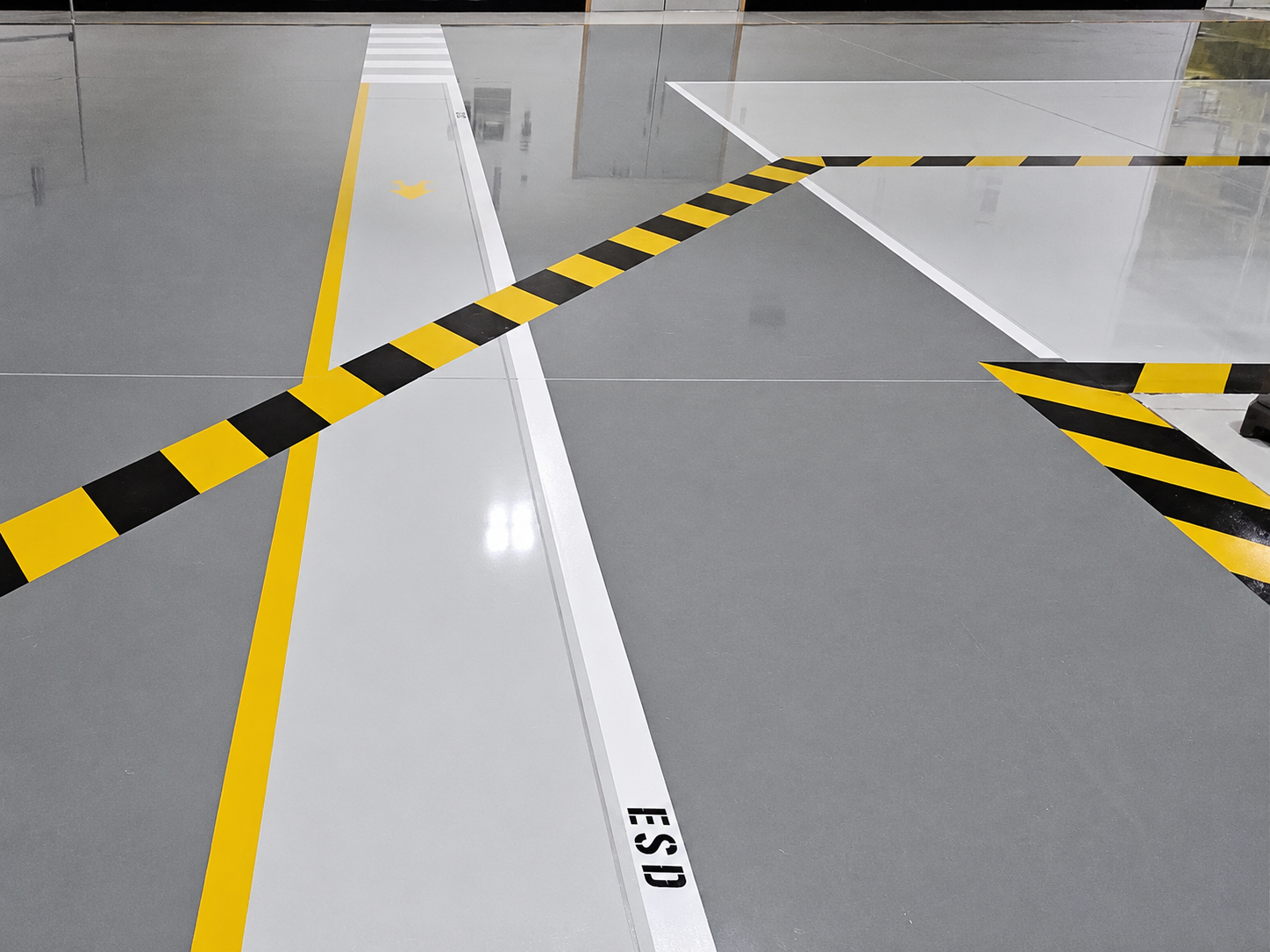
A conventional resin floor may provide durability, cleanliness and an attractive finish without controlling how electrostatic charge accumulates or dissipates. Where sensitive electronics are assembled, handled, tested or operated, the electrical behaviour of the flooring can become a defined part of the project specification. Zenith Flooring installs ESD systems that provide a controlled route for charge to dissipate through the floor and its agreed grounding arrangement. The complete build-up may include mechanical preparation, substrate repairs, primers, copper tape or other earthing connections, a conductive layer and the final resin wearing surface.

The required performance must be established before installation begins. Static-dissipative and conductive floors occupy different resistance ranges and should be selected against the intended ESD control strategy rather than treated as interchangeable descriptions. BS EN IEC 61340-5-1:2024 sets requirements for ESD control programmes protecting electronic devices and processes, while specific test standards cover installed-floor resistance and the combined person-footwear-flooring system.

CONDUCTIVE & STATIC-DISSIPATIVE RESIN SYSTEMS

THE REQUIRED ELECTRICAL PERFORMANCE DEFINES THE FLOOR.

Not every environment requiring static control needs the same resistance, finish or resin build-up. Zenith Flooring works from the agreed project criteria to select a system that delivers the required electrical properties alongside the necessary durability, chemical resistance, cleanability and appearance.

The result may be a smooth ESD coating, a seamless self-smoothing floor or a heavier-duty resin screed for more demanding operational conditions.

Working alongside leading brands

WORK WITH ZENITH

Ready to move your project forward?

Every site presents different technical, operational and programme requirements. We start by understanding the environment, the existing condition and the outcome you need, before recommending a flooring or roofing solution that can be delivered safely, efficiently and with lasting performance.

ESD PERFORMANCE MUST BE DESIGNED, INSTALLED AND VERIFIED

An ESD floor is more than its visible wearing surface. Its performance depends on the substrate, conductive components, earthing arrangement, application quality and the way the finished environment is operated. Zenith Flooring manages the flooring sequence from substrate assessment and mechanical preparation through to installation and handover testing. The work can be coordinated with consultants, principal contractors, M&E teams and the organisation responsible for the site’s ESD control programme.

DEFINE THE PERFORMANCE BEFORE SELECTING THE PRODUCT

Terms such as anti-static, dissipative and conductive are sometimes used loosely, but they do not describe identical electrical behaviour.

The project team should establish which resistance measurements, body-voltage criteria and test methods apply to the completed environment. Requirements may be drawn from BS EN IEC 61340-5-1:2024, a client standard, an equipment manufacturer’s specification or a site-specific ESD control plan. The current British Standard addresses administrative and technical requirements for programmes protecting electronic devices from electrostatic phenomena.

Zenith can then develop the flooring proposal around those agreed criteria rather than relying on a generic ESD product description.

CONTINUITY THROUGH EVERY LAYER

The electrical path must remain continuous from the finished surface through the conductive build-up to the designated grounding points.

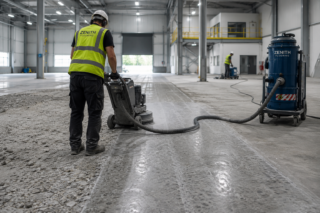
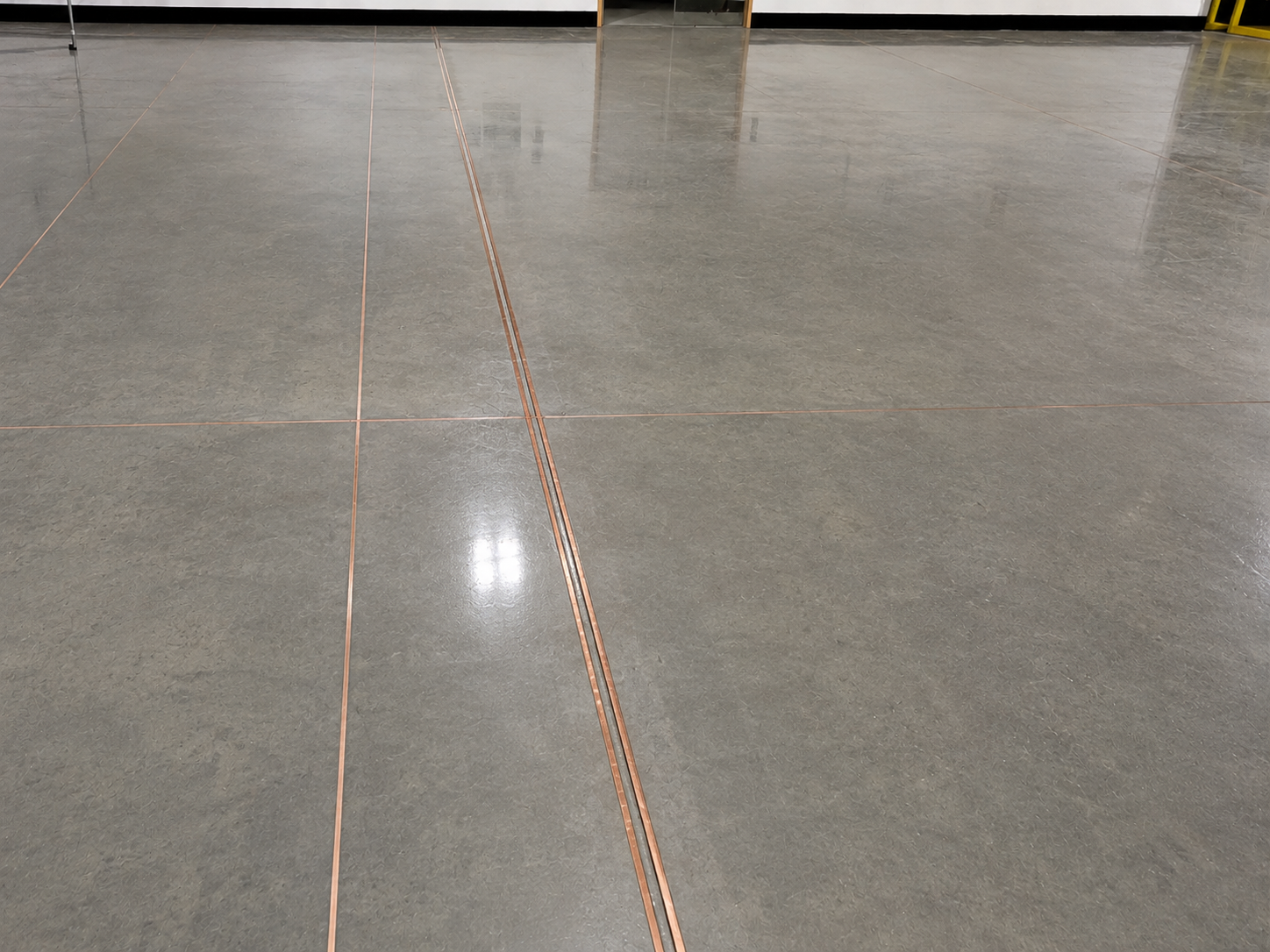
The concrete is mechanically prepared and repaired before the relevant primers, conductive layers and resin finish are installed. Copper tape or another approved connection arrangement can be incorporated at predetermined positions, with the final connection to earth coordinated with the appropriate electrical contractor.

Floor-system manufacturers commonly use copper tape and conductive intermediate layers as integral parts of resin ESD assemblies. The number, spacing and connection of grounding points must follow the selected system and project design rather than a universal site rule.

THE FLOOR OPERATES AS PART OF A WIDER SYSTEM

Flooring alone does not define the performance of an electrostatic-protected area.

Footwear, personnel, garments, workstations, equipment, grounding arrangements, humidity and operational procedures can all affect how charge is generated and dissipated. IEC 61340-4-5 therefore evaluates the protection provided by the person, footwear and flooring in combination, with results applying only to the specific combination tested.

Zenith’s role is to install the flooring component to the agreed specification while coordinating its interfaces with the wider ESD control strategy.

VERIFYING THE INSTALLED FLOOR

Product data describes the expected performance of a system under defined conditions. Handover testing checks the floor that has actually been installed. Electrical resistance testing can be completed at agreed locations following installation, with results recorded against the project’s selected method and acceptance criteria. Testing may include resistance to ground, point-to-point resistance or assessment of the person-footwear-flooring combination where required by the specification.

IEC 61340-4-1 covers resistance testing of floor coverings and installed floors, while the newer IEC 61340-5-4 addresses compliance-verification testing for technical items within ESD control programmes. The results can be incorporated into the handover documentation to provide a recorded baseline for the completed installation.

ESD flooring is a specialist floor system designed to control how electrostatic charge moves through an environment. It is commonly specified where an uncontrolled discharge could damage electronic components, interrupt equipment or compromise a sensitive process.

Typical applications include data centres, electronics assembly and testing areas, laboratories, cleanrooms, control rooms, battery and advanced manufacturing facilities, server rooms and other electrostatic-protected areas.

Not necessarily. Anti-static flooring is often used as a broad marketing term, while an ESD specification should define measurable electrical-performance requirements.

Depending on the project, the floor may need to be conductive or static-dissipative and may also be assessed as part of a person-footwear-flooring system. Zenith works from the agreed performance criteria rather than relying on an undefined “anti-static” product description.

Conductive flooring provides a lower-resistance route for charge to move through the flooring system. Static-dissipative flooring allows charge to disperse more gradually within a higher resistance range.

Neither is automatically better. The correct choice depends on the equipment, processes, footwear, grounding strategy and test criteria for the space. These requirements should be confirmed by the project’s ESD specialist, consultant or responsible stakeholder before the flooring system is selected.

Most conductive and static-dissipative resin systems require an agreed grounding arrangement to provide a controlled path from the floor to earth.

This may involve copper tape, conductive layers and designated connection points installed within the flooring build-up. Zenith can install the flooring components and coordinate their locations, while the final electrical connection and verification should be completed by the appropriately qualified contractor.

Yes, provided the existing slab is sound and can be prepared to receive the selected system.

Zenith assesses the concrete for contamination, moisture, cracking, weak surface material and previous coatings before installation. The floor may then be mechanically prepared, repaired and levelled before the conductive components and ESD resin finish are applied. Local defects or incompatible finishes must be resolved rather than concealed beneath the new system.

The completed floor is tested using the measurement method and acceptance criteria stated in the project specification.

Testing may include resistance to ground, point-to-point resistance and, where required, measurements involving the footwear and flooring combination. Results can be recorded at agreed locations and included within the handover documentation, providing a baseline for future compliance checks and maintenance.

The cost depends on the floor area, substrate condition, preparation requirements, resin build-up, electrical-performance criteria and number of grounding points. Repairs, moisture-control systems, restricted access and testing requirements can also affect the quotation.

To develop an appropriate proposal, Zenith will typically need the site location, approximate area, existing floor construction, intended use, required resistance range and any applicable ESD specification or control plan. Drawings, photographs and programme information can help establish the scope before the site assessment.

ALL ZENITH FLOORING SERVICES

GET STARTED

Tell us a little about your project and the service you require. A member of the Zenith team will review your enquiry and contact you to discuss the next steps.