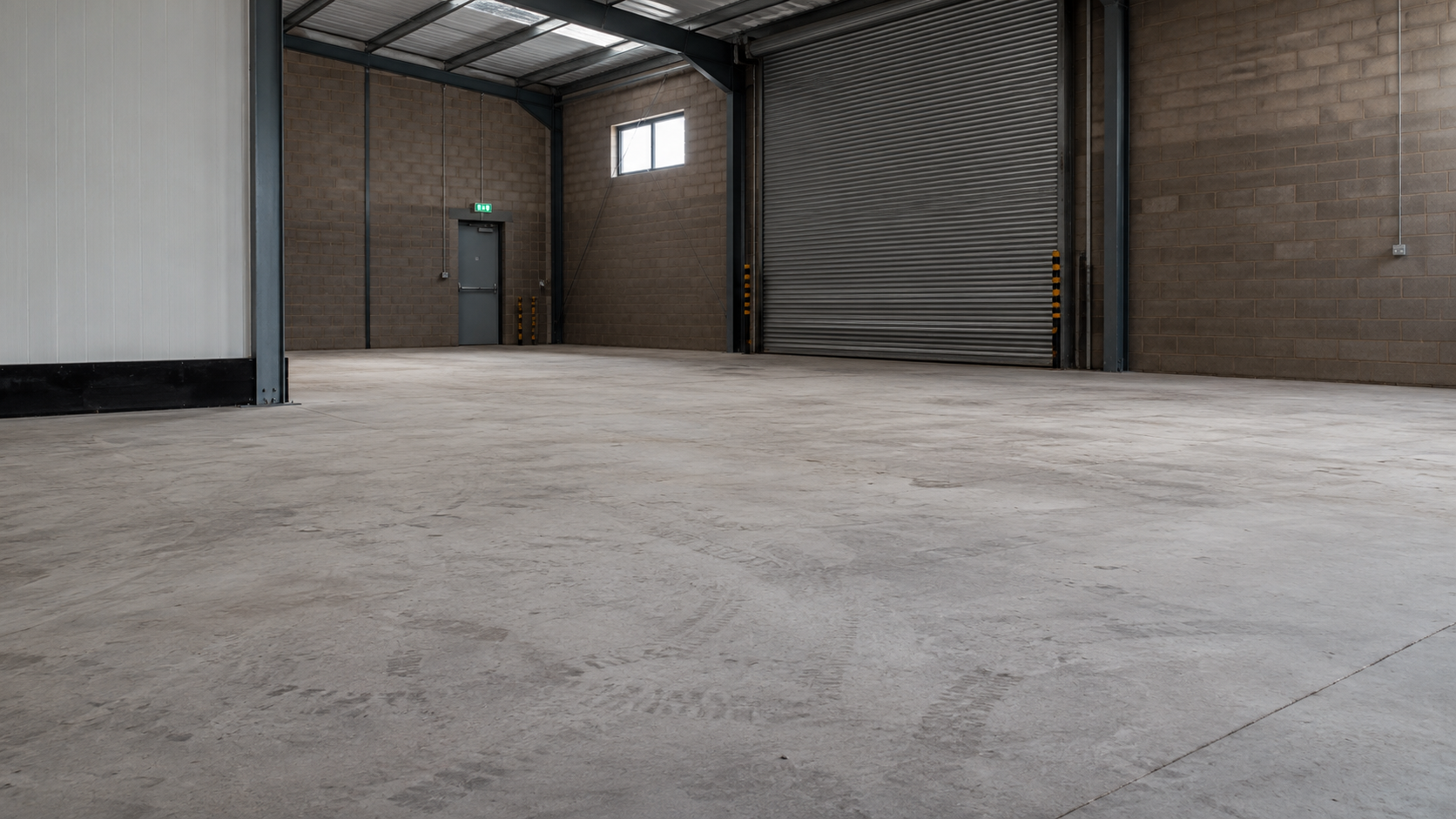
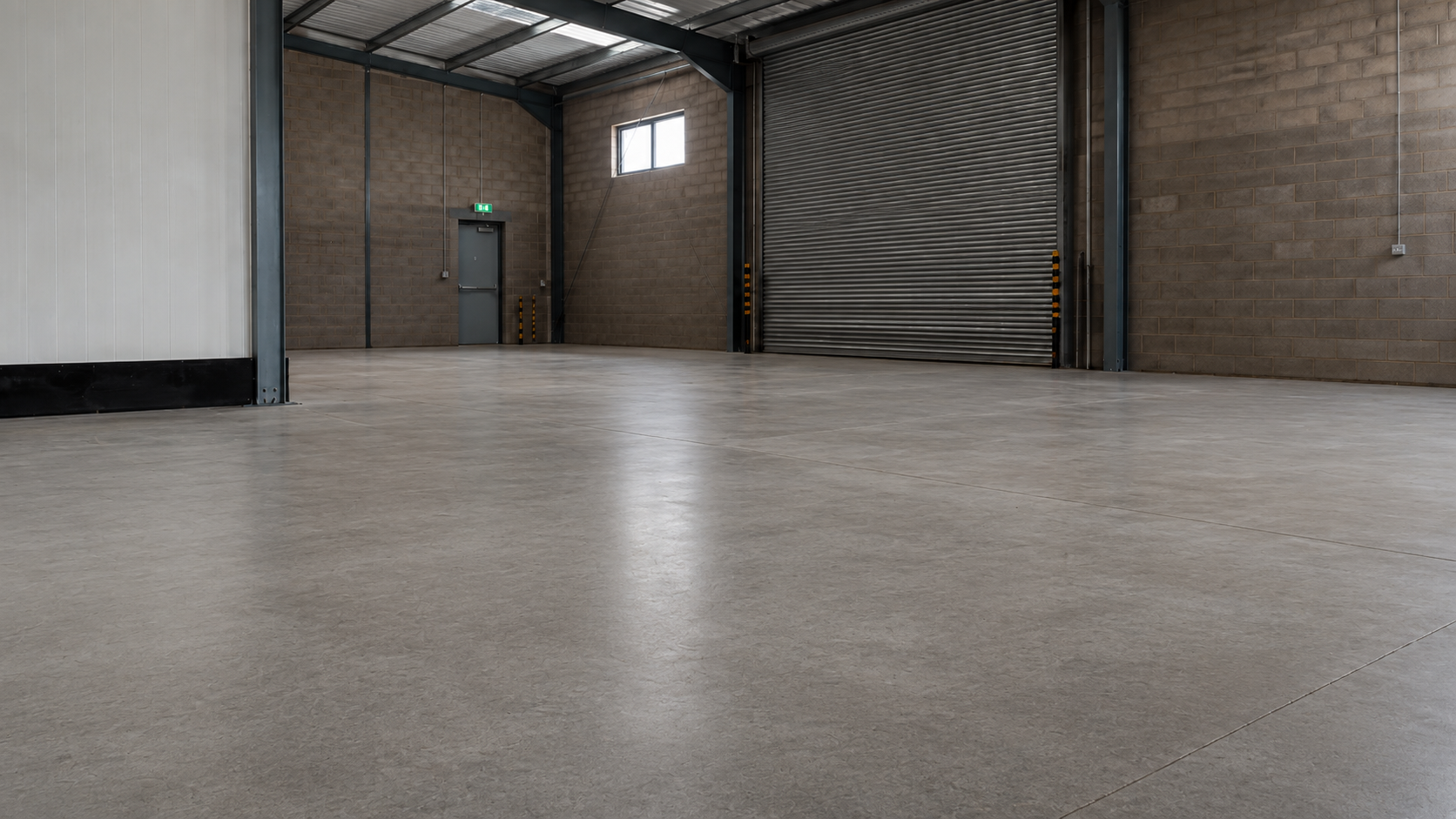
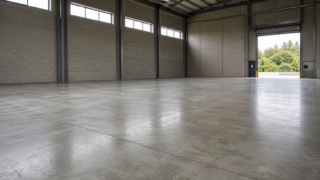
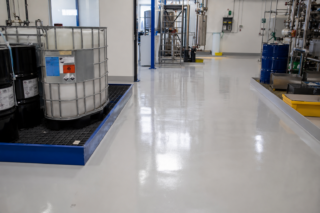
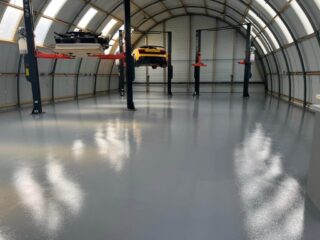
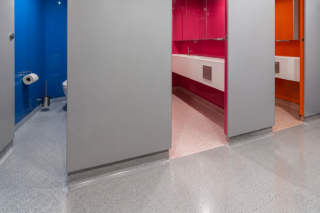
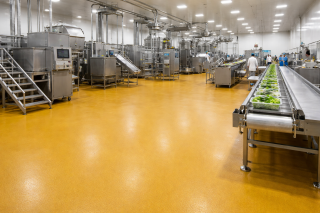
Zenith Flooring seals and dustproofs concrete floors across commercial, public and industrial buildings throughout the UK. Clear sealers, penetrating densifiers and light-duty resin floor seals can reduce surface dusting, make exposed concrete easier to maintain and improve its appearance without introducing an unnecessarily heavy flooring build-up.

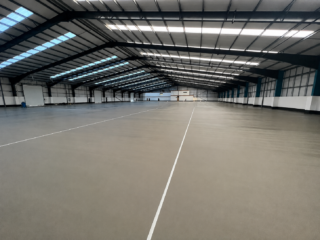
Untreated and ageing concrete can release fine surface dust, absorb spillages and become increasingly difficult to clean as traffic wears away the upper surface. The slab may remain fundamentally serviceable while no longer providing an acceptable working finish.
Zenith Flooring assesses the concrete before carrying out the necessary cleaning, mechanical preparation and local repairs. A compatible dustproofer, densifier or floor sealer can then be applied to create a cleaner, more manageable surface while preserving the practical character of exposed concrete.
Concrete floor sealing can involve a penetrating treatment, a clear surface sealer or a thin pigmented resin finish. The correct approach depends on the strength and porosity of the concrete, the required appearance, anticipated traffic and what the floor is likely to encounter in use.
Zenith Flooring establishes whether the project primarily requires dust control, easier maintenance, surface hardening, colour or a combination of these outcomes.
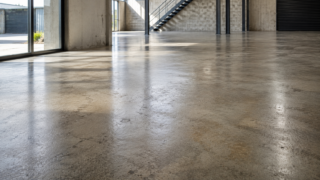
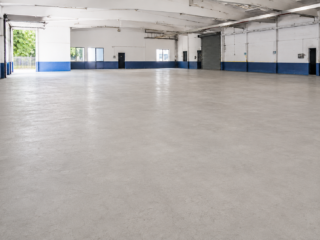
Penetrating concrete densifiers and dustproofing treatments are used where the existing slab is to remain visibly exposed.
The treatment is absorbed into suitable concrete rather than creating a substantial resin layer above it. It can reduce surface dusting, improve resistance to light or moderate abrasion and leave a natural concrete appearance with comparatively little change to floor height.
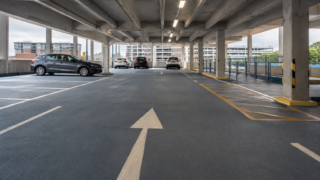
These systems can suit storage areas, plant rooms, service spaces, parking structures and other locations where a clean, functional surface is required without a decorative coating. Commercial concrete hardeners and densifiers are designed for both new and existing slabs exposed to light or moderate wear.
Clear sealers protect the surface while allowing the colour and variation of the existing concrete to remain visible.
Depending on the selected product, the treatment can reduce porosity, make routine cleaning easier and provide a matt, satin or lightly enhanced appearance. The finished result will still reflect the condition and character of the slab beneath it rather than concealing repairs, staining or construction variation.
Product selection must account for internal or external exposure, traffic, moisture conditions, cleaning and the required slip characteristics.
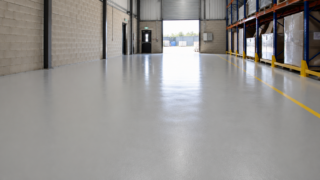
Pigmented resin floor seals introduce colour while sealing and dustproofing suitable concrete.
These thin epoxy or polyurethane systems can provide a more uniform appearance across stores, workshops, service corridors, back-of-house areas and other light-duty commercial or industrial spaces. Contrasting colours and simple demarcation can also be incorporated where required.
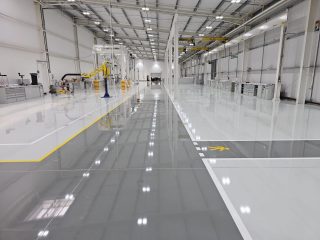
A floor seal remains a comparatively light-duty resin system. Areas exposed to intensive vehicle movement, impact, aggressive chemicals or frequent washdown may require a higher-build coating or resin screed instead. FeRFA distinguishes basic floor seals from progressively thicker systems intended for heavier service conditions.


Every site presents different technical, operational and programme requirements. We start by understanding the environment, the existing condition and the outcome you need, before recommending a flooring or roofing solution that can be delivered safely, efficiently and with lasting performance.
Concrete sealing is less complex than installing a multi-layer resin floor, but its success still depends on understanding and preparing the surface beneath it.
Zenith Flooring manages the work from assessment and local repairs through to preparation, application and handover. The proposed treatment is selected around what the slab can support and what the completed floor needs to achieve.
Surface dust can result from weak laitance, abrasion, ageing, previous preparation or a generally friable upper layer. Applying a sealer without understanding the condition may simply bind to material that is already becoming detached.
Zenith examines the strength and integrity of the concrete before recommending treatment. Weak material, previous coatings and contamination may need to be removed mechanically, while cracks, spalling and damaged areas can require repair before sealing begins.
Where deterioration is extensive or linked to movement, moisture or wider slab failure, a basic dustproofing treatment may not be sufficient.
Clear and thinly applied systems reproduce the condition of the substrate beneath them. Grinding marks, repairs, stains and differences between concrete pours may remain visible after completion.
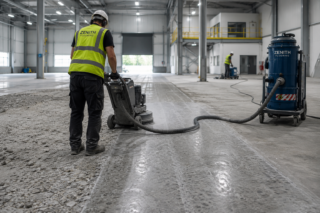
Zenith prepares the floor according to the selected system, which may involve industrial cleaning, degreasing, diamond grinding or vacuum-assisted mechanical abrasion. Laitance and weak surface material must be removed where they would interfere with penetration or adhesion. FeRFA identifies the removal of laitance and proper mechanical preparation as critical to reliable flooring and coating performance.
A penetrating densifier works within suitable concrete and generally retains a more natural appearance. A film-forming sealer creates a defined layer at the surface and can provide greater colour or visual enhancement.
That difference affects more than appearance. Porosity, moisture movement, abrasion, cleaning, slip resistance and future recoating must all be considered when selecting the treatment.
Zenith assesses these conditions before recommending whether the floor should be densified, clear-sealed or given a pigmented resin seal.
Concrete sealing is an economical way to improve a fundamentally serviceable slab, but it is not a substitute for every flooring system.
A thin sealer will not level an uneven floor, bridge active cracks or provide the protection of a heavy-duty resin screed. Locations exposed to intensive forklift turning, impact, aggressive chemicals, hot washdown or persistent contamination may require a more substantial build-up.
Where a floor seal is appropriate, Zenith can provide a practical improvement without over-specifying the area. Where it is not, the site assessment allows the requirement to be redirected towards a coating, self-smoothing floor or heavier-duty resin system before an unsuitable treatment is installed.
Concrete floor dustproofing is the treatment of a concrete surface to reduce the release of fine cementitious dust caused by wear, weak laitance or an untreated upper layer.
Depending on the slab, Zenith may recommend a penetrating densifier, clear sealer or thin resin floor seal. Where the concrete is extensively worn or exposed to heavier traffic, a higher-build resin coating may provide a more durable solution than dustproofing alone.
A concrete densifier penetrates suitable concrete and strengthens the surface without creating a substantial visible film. A clear or pigmented sealer forms a thin protective layer that can reduce porosity and make the floor easier to maintain.
A higher-build resin coating creates a thicker, more protective surface above the concrete. It is generally better suited to areas exposed to frequent vehicle movement, abrasion, spillages or more demanding cleaning.
Only where the remaining concrete is sound enough to support the treatment.
Weak laitance, loose material, contamination and failed previous coatings must be removed before sealing. Cracks, spalling and local damage may also require repair. If deterioration is widespread, Zenith may recommend mechanical preparation followed by a high-build coating or resin flooring system rather than applying a thin seal over an unreliable substrate.
A floor sealer can reduce absorption and improve resistance to light wear, but it does not provide the same protection as a high-build resin system.
Workshops, loading areas, vehicle routes and operational spaces exposed to repeated spillages, turning wheels or aggressive chemicals may require a thicker epoxy, polyurethane or resin-screed build-up. The site assessment establishes whether sealing is proportionate or whether a more robust system would offer better long-term value.
Yes, but a clear sealer will normally retain the natural variation, repairs, staining and construction marks already present in the concrete.
A pigmented floor seal can provide a more consistent colour, although thin systems may still reproduce surface irregularities beneath them. Where a more uniform or higher-quality finish is required, floor levelling and a self-smoothing or high-build resin system may be more appropriate.
Service life depends on the concrete condition, preparation, selected treatment, traffic, cleaning and exposure to contamination.
A densifier or light-duty seal can perform well in appropriate service areas, stores and plant spaces. However, frequent forklift turning, impact, chemicals or intensive cleaning can wear a thin system more quickly. Zenith will recommend a heavier resin build-up where the expected use is likely to exceed the practical limits of a sealer.

Cost depends on the floor area, slab condition, preparation requirements, repairs and whether the finish is penetrating, clear or pigmented.

Concrete sealing is usually less expensive than a multi-layer resin floor, but the lowest initial cost is not always the most economical specification. Where repeated recoating or premature wear is likely, a higher-build resin coating may provide a longer service life and reduce future disruption. Photographs, floor areas and details of traffic and contamination will help Zenith identify the most appropriate option before the site assessment.
Zenith Flooring installs epoxy, polyurethane and polyaspartic resin flooring systems for commercial and industrial environments across the UK. Our resin coatings and screeds are specified around substrate condition, traffic, impact, chemical exposure, hygiene and curing requirements to deliver a durable, compliant floor with minimal operational disruption.
Zenith Flooring delivers commercial and industrial floor levelling using pumped cementitious screeds and specialist levelling compounds. Selected around the substrate condition, loading, finish and programme requirements, our self-smoothing, fast-drying systems create a durable, even surface for new floors, refurbishment projects or preparation ahead of further flooring installation.
Zenith Flooring provides commercial and industrial floor preparation and concrete repair services, including diamond grinding, vacuum shot blasting, scarifying and scabbling. From removing coatings and weak surface material to repairing cracks, spalled concrete and damaged joints, we create a sound substrate for new flooring systems and restore existing floors to service.
Zenith Flooring delivers durable internal and external line marking for warehouses, factories and commercial sites. From pedestrian walkways and safety zones to loading bays, traffic routes and directional markings, we create clear, hard-wearing layouts that improve site safety, organisation and operational efficiency.
Zenith Flooring installs specialist anti-slip treatments and resin systems that improve safety across commercial and industrial environments. Suitable for tiles, concrete, metal and timber, our professionally applied solutions create durable, slip-resistant surfaces for workplaces, public areas and other high-risk locations.
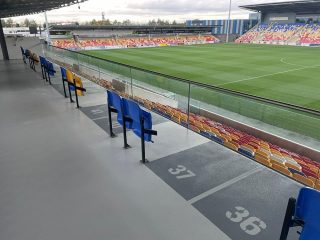
Zenith Flooring installs durable resin flooring systems for stadiums, arenas and major sporting venues. From high-traffic concourses and public areas to kitchens, toilets and plant rooms, we provide slip-resistant finishes, rapid-curing options and clear line marking designed for safety, durability and minimal disruption.
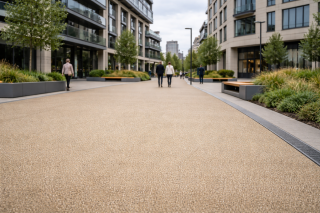
Zenith Flooring installs durable resin bound surfacing for commercial forecourts, pathways, public spaces and pedestrian areas. Combining natural aggregate with a specialist resin, these seamless surfaces provide an attractive, low-maintenance and hard-wearing finish with effective drainage for high-footfall environments.
Zenith Flooring installs electrostatic discharge flooring for environments in which uncontrolled static can affect sensitive equipment, components or processes. Our conductive and static-dissipative resin systems are specified around the project’s electrical-performance criteria, substrate condition, operational demands and wider ESD control plan.
Zenith Flooring seals and dustproofs concrete floors across commercial, public and industrial buildings throughout the UK. Clear sealers, penetrating densifiers and light-duty resin floor seals can reduce surface dusting, make exposed concrete easier to maintain and improve its appearance where a heavier duty system is not required.
Zenith Flooring installs decorative quartz resin systems across floors and walls throughout commercial and public environments. Combining coloured quartz aggregate with a compatible resin build-up creates a durable, seamless and slip-resistant finish suited to leisure centres, pool surrounds, changing facilities and washrooms.
Zenith Flooring delivers lease-end floor removal, repair and reinstatement works across commercial and industrial properties throughout the UK. We can remove tenant-installed finishes and markings, repair the exposed concrete and reinstate the floor to the condition required for handover, reletting or refurbishment.
Zenith Flooring installs and refurbishes trafficable resin deck systems across multi-storey car parks, parking structures and private commercial facilities throughout the UK. Our scope can include coating removal, deck preparation, local concrete repairs, waterproof membranes, wearing surfaces and final demarcation.
Zenith Flooring installs seamless resin floors and protective bund linings for commercial and industrial environments exposed to chemicals. Our scope can include coating removal, concrete repairs, mechanical preparation, floor and wall linings, upstands, sumps and detailed containment interfaces.
Zenith Flooring installs resin flooring throughout dealerships, workshops, MOT centres, fleet facilities and vehicle-maintenance environments across the UK. From seamless customer-facing floors to hard-wearing workshop coatings. Systems are specified around environment requirements and time available for maintenance.
Zenith Flooring installs and refurbishes resin floors for stores, supermarkets, showrooms, shopping centres and wider retail developments across the UK. We coordinate floor preparation, repairs, levelling and the final resin system around fit-out programmes from customer-facing sales floors and entrances to stockrooms and service corridors.
Zenith Flooring installs hygienic resin flooring for food and drink production facilities across the UK. From wet processing to bakeries, dairies, breweries, commercial kitchens, packing halls and cold-storage environments, each floor is specified around cleaning, temperature, chemicals, traffic, drainage and the available production window.
Tell us a little about your project and the service you require. A member of the Zenith team will review your enquiry and contact you to discuss the next steps.
© 2026 Zenith Group. All rights reserved.
Zenith Flooring Limited and Zenith Roofing Services Limited are part of the Zenith Group.