CHEMICAL-RESISTANT FLOORING & BUND LININGS FOR PROCESS, STORAGE & CONTAINMENT AREAS

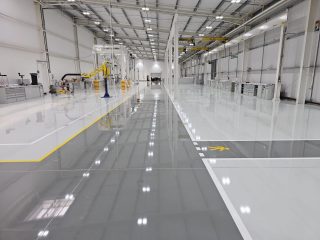
Zenith Flooring installs seamless resin floors and protective bund linings for commercial and industrial environments exposed to chemicals, process liquids and demanding cleaning regimes.

Each system is specified around the substances present, their concentration and temperature, the likely duration of contact, traffic conditions and the substrate beneath. Our scope can include coating removal, concrete repairs, mechanical preparation, floor and wall linings, upstands, sumps and detailed containment interfaces.

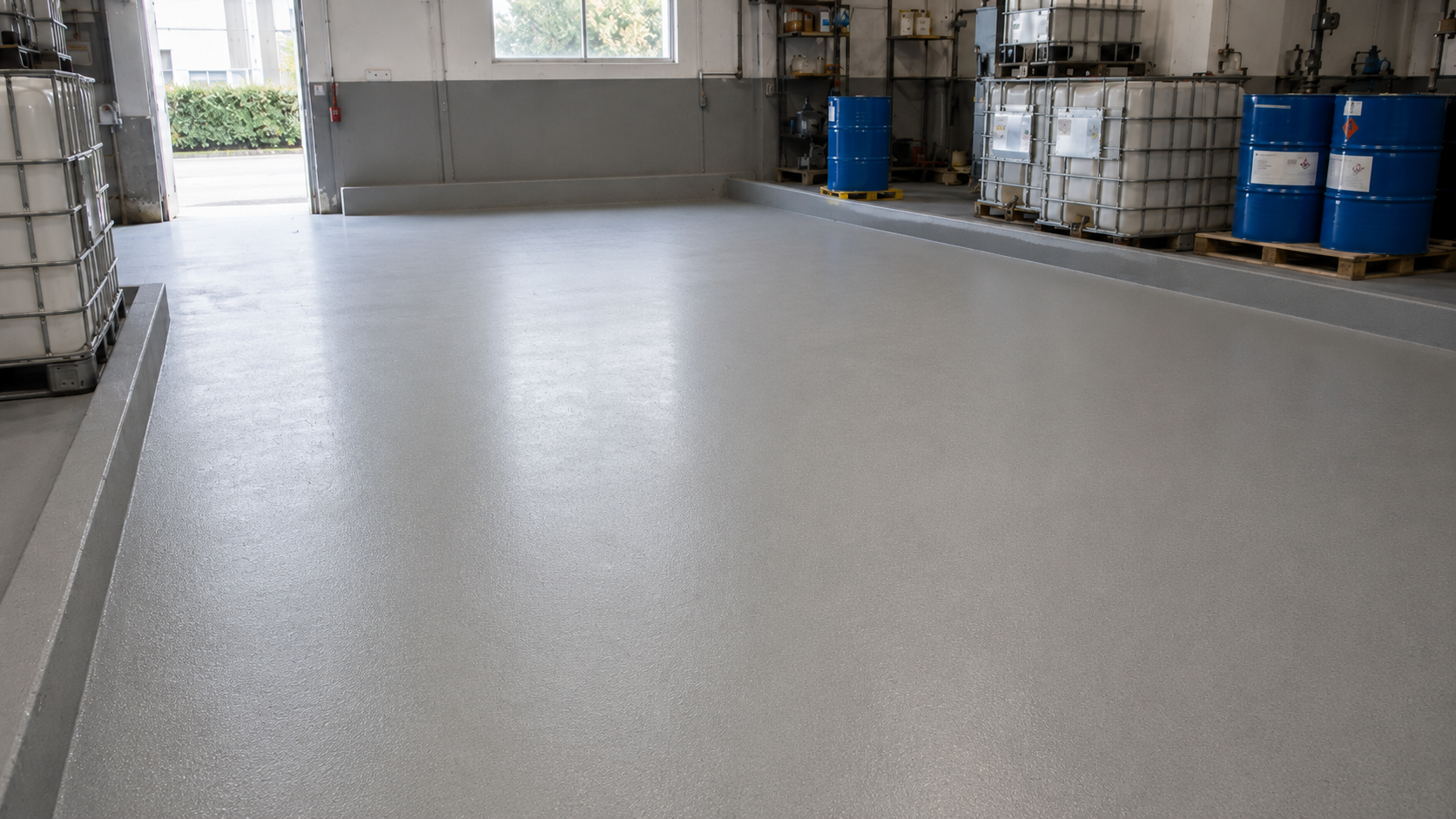
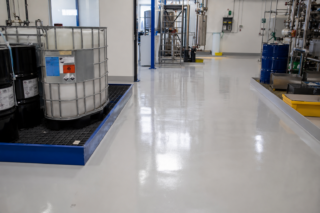
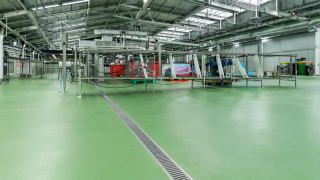
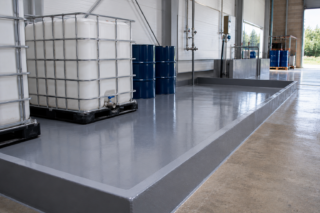
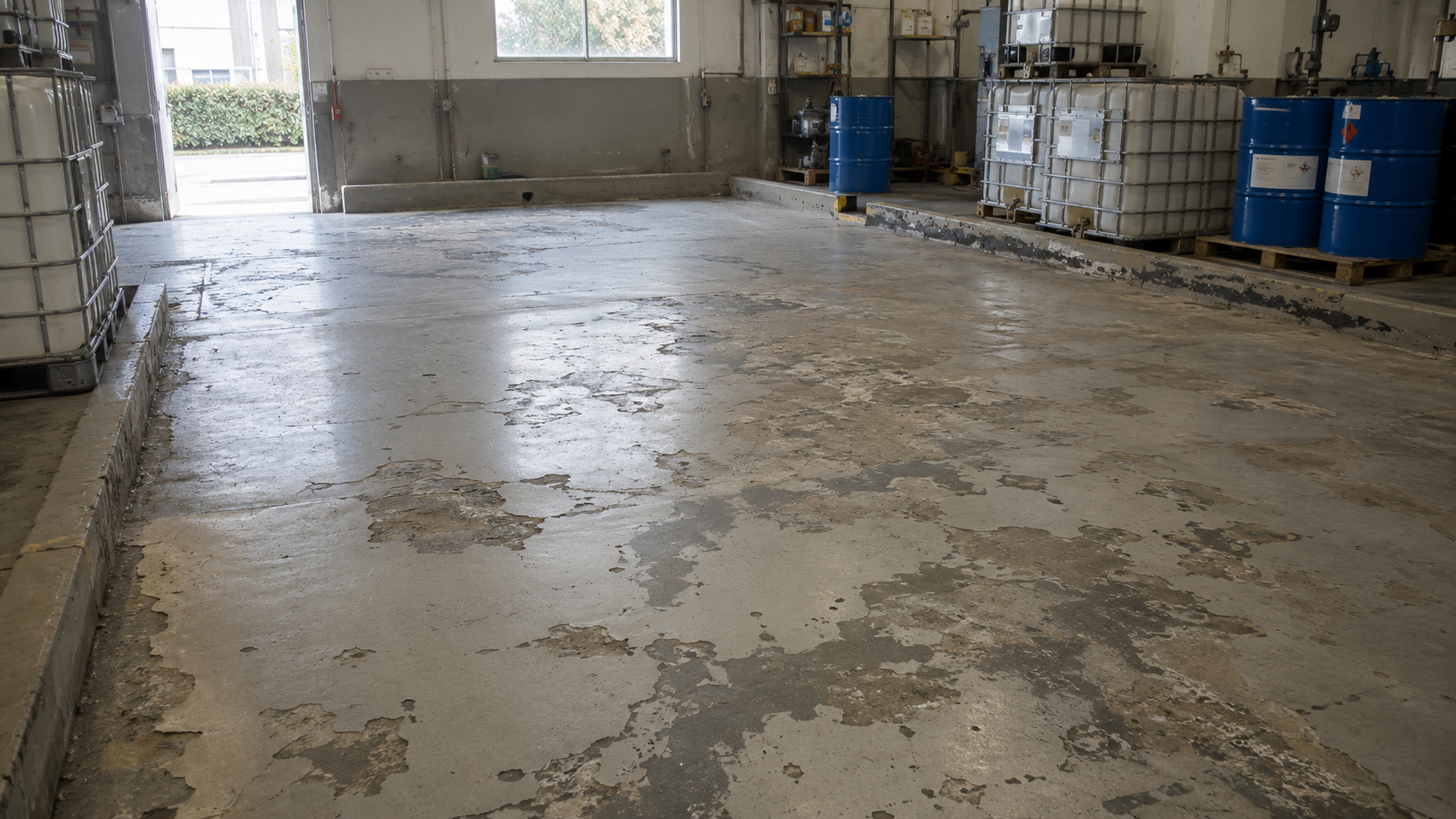
chemical-storage-area-resin-flooring-zenith-beforechemical-storage-area-resin-flooring-zenith-after

RESTORING CHEMICAL PROTECTION ACROSS FLOORS, WALLS & BUNDS

Cracked coatings, exposed concrete, failed joints and damaged upstands can allow chemical spillages to attack the substrate or escape through weak points in a containment area. Previous repairs may also introduce incompatible materials that respond differently when exposed to the substances stored or processed nearby.

Zenith Flooring removes unsuitable material, repairs the prepared substrate and installs the specified chemical-resistant system continuously across the required horizontal and vertical surfaces. The completed finish is developed around the agreed chemical duty, containment design, traffic and cleaning requirements rather than relying on a generic “chemical-resistant” coating.

EPOXY, POLYURETHANE & HEAVY-DUTY SCREED

CHEMICAL RESISTANT RESIN SYSTEMS FOR FLOORS & SECONDARY CONTAINMENT

Different resin chemistries provide different levels of resistance to acids, alkalis, solvents, oils, disinfectants and process materials.

Zenith Flooring works from the chemical and operating information supplied for the project to select an appropriate floor or lining system. The required build-up may range from a seamless epoxy finish for intermittent exposure to a reinforced vinyl ester lining for aggressive chemical or thermal duty.

Working alongside leading brands

WORK WITH ZENITH

Ready to move your project forward?

Every site presents different technical, operational and programme requirements. We start by understanding the environment, the existing condition and the outcome you need, before recommending a flooring or roofing solution that can be delivered safely, efficiently and with lasting performance.

CHEMICAL RESISTANCE MUST MATCH THE ACTUAL EXPOSURE

“Chemical resistant” is not a universal performance category. A system may tolerate occasional contact with a diluted cleaning agent while remaining unsuitable for prolonged exposure to a concentrated acid or hot solvent.

Zenith Flooring develops the proposed system around the information supplied for the process, storage area or containment zone. Manufacturer resistance data and project-specific technical guidance can then be reviewed before the final resin chemistry and build-up are confirmed.

CHEMICAL DATA BEFORE PRODUCT SELECTION

The substances present should be identified as accurately as possible before the flooring system is specified. Relevant information can include:

  • Chemical or product name
  • Concentration
  • Operating and spill temperature
  • Likely contact duration
  • Frequency of exposure
  • Whether substances may be mixed
  • Cleaning and neutralisation methods
  • Required decontamination process

The same resin can respond differently as concentration, temperature and contact time change. Chemical resistance should therefore be checked against the actual duty rather than inferred from a broad product category. Manufacturers distinguish systems specifically by chemical and temperature exposure, including epoxy and reinforced polyurethane screed options.

SPLASH, SPILL & IMMERSION ARE DIFFERENT DUTIES

Containment performance is often determined at joints, corners, penetrations and changes in orientation rather than across the centre of the floor.

Zenith incorporates the agreed details around wall junctions, kerbs, equipment bases, drains, sumps, channels and pipe penetrations into the preparation and lining scope. Compatible coves or reinforced transitions can be formed where sharp internal corners would otherwise interrupt the installation.

The selected system may use different application grades on horizontal and vertical surfaces while maintaining continuity between them.

PREPARATION BEFORE IMPERMEABILITY

An impermeable lining will only remain reliable while it remains bonded to a sound substrate.

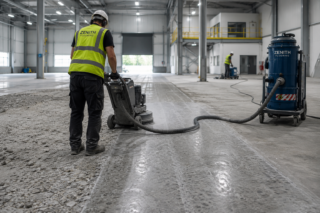
Zenith removes weak coatings, contamination and unsound concrete before repairing cracks, spalling, damaged edges and previous defective repairs. Concrete and compatible metal surfaces are then mechanically prepared to create the profile required by the selected primer and lining system.

Active structural movement, significant corrosion or defects outside the flooring specification must be referred to the appointed engineer. Applying a chemically resistant material over unresolved substrate failure does not create dependable containment.

BALANCING CHEMICAL PROTECTION, TRACTION & CLEANING

A chemical-resistant floor may also need to support pedestrians, vehicles and cleaning under wet or contaminated conditions.

Graded aggregate can be incorporated to create a controlled slip-resistant texture, but the profile must remain compatible with spill recovery, washing and decontamination. Heavily textured finishes may provide greater traction while requiring more intensive cleaning than a smooth lining.

Zenith considers traffic, gradients, expected liquids and maintenance procedures alongside chemical resistance when selecting the final finish. Correctly specified resin flooring can combine chemical protection with slip resistance in contaminated environments.

The appropriate flooring depends on the substances present, their concentration and temperature, how long they may remain on the surface and the mechanical demands of the area.

Chemical-resistant epoxy systems may suit many process, storage, laboratory and cleaning environments. Heavier resin screeds can provide greater protection where chemical exposure is combined with impact, abrasion, wheeled traffic or thermal change. The system should always be checked against the actual chemical schedule rather than selected from a general “chemical-resistant” description.

Zenith will typically need the names of the chemicals or products involved, their concentrations, operating and spill temperatures, likely contact duration and frequency of exposure.

It is also useful to understand whether substances may mix, how spillages are recovered or neutralised, which cleaning agents are used and what traffic the floor must withstand. This information allows the proposed resin system to be assessed against manufacturer resistance data before the final specification is confirmed.

Chemical-resistant flooring is generally designed to protect an operational floor against identified spillages, cleaning products and process exposure.

A bund lining forms part of a secondary-containment area intended to retain a release for an agreed period. It must remain continuous across the floor, walls, kerbs, corners, sumps and relevant penetrations. A floor coating that tolerates occasional chemical contact should not automatically be assumed suitable for containment duty.

Yes, provided the concrete structure is suitable for repair and can support the replacement lining.

Existing coatings, contamination and unsound material are removed before cracks, spalling, damaged corners and failed previous repairs are reinstated. The prepared concrete can then receive a compatible resin lining across the required horizontal and vertical surfaces.

Structural movement, significant corrosion or uncertainty over the bund’s capacity should be addressed by the appointed engineer or containment designer before relining begins.

Yes. Zenith can continue compatible resin systems across floors, walls, upstands, kerbs, plinths, sumps, trenches and other agreed containment details.

Corners, joints, pipe penetrations and changes between horizontal and vertical surfaces require particular attention because they can become weak points within the lining. Cove details or reinforced transitions may be incorporated where required by the selected system and project specification.

Yes. Graded aggregate can be incorporated into the resin build-up to provide additional texture in wet process areas, chemical stores and locations where spillages may affect traction.

The finish must balance grip with cleaning, spill recovery and decontamination. A heavily textured floor may improve traction but require more intensive cleaning, while a smooth lining may be more suitable in areas where containment and rapid recovery are the priorities.

Cost depends on the total area, substrate condition, chemical duty, selected resin build-up and complexity of the containment details.

Existing lining removal, contamination, concrete repairs, walls and upstands, sumps, penetrations, reinforcement, phased working and restricted shutdown periods can all affect the quotation. Providing drawings, photographs, a chemical schedule, operating temperatures and details of the required containment period will help Zenith establish an appropriate scope before the site assessment.

ALL ZENITH FLOORING SERVICES

GET STARTED

Tell us a little about your project and the service you require. A member of the Zenith team will review your enquiry and contact you to discuss the next steps.