FLAT ROOF LIQUID WATERPROOFING FOR REFURBISHMENT, REPAIR & LONG-TERM PROTECTION

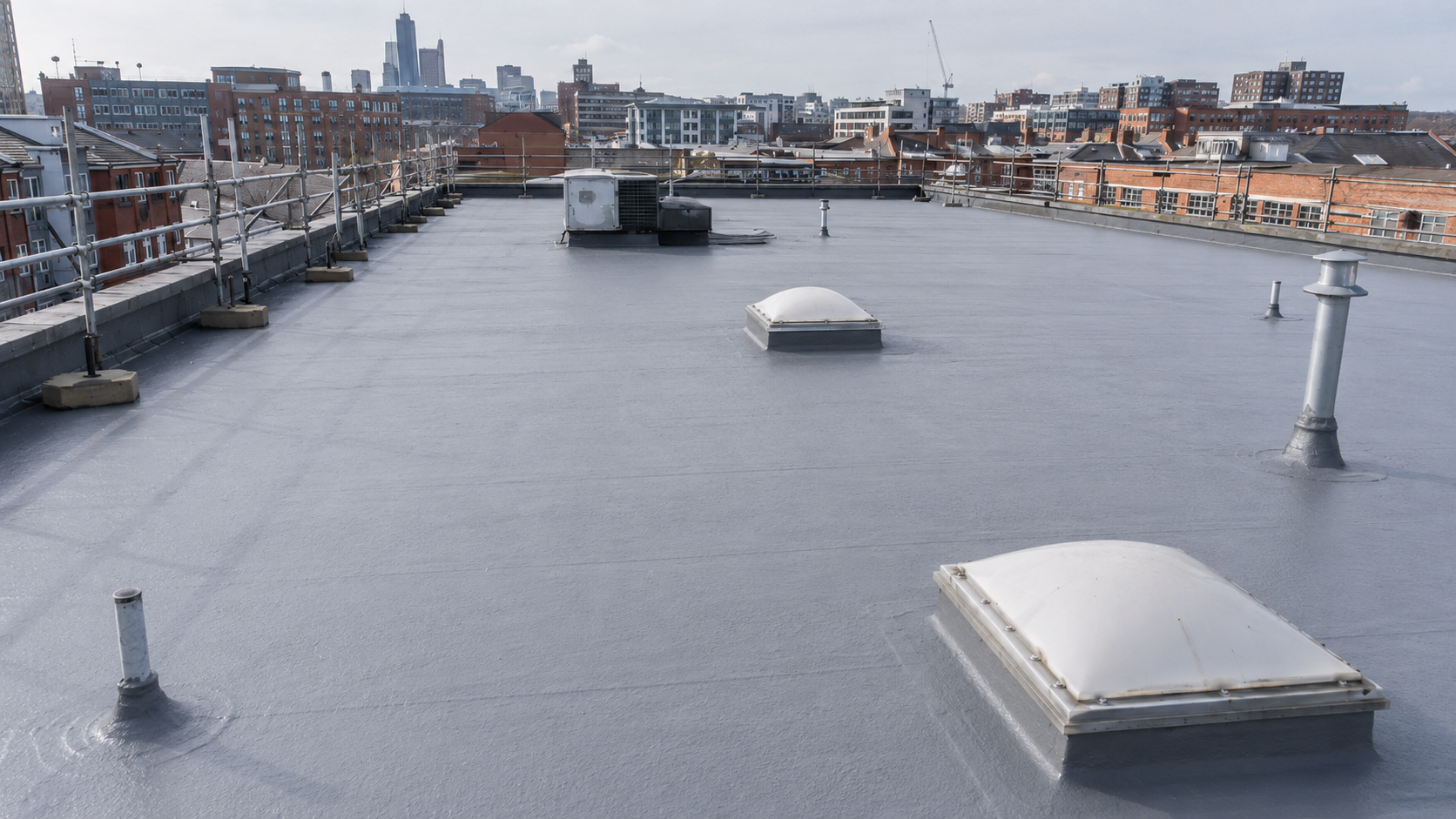
Zenith Roofing installs cold-applied liquid waterproofing systems across commercial flat and low-pitched roofs throughout the UK.

Fully bonded membranes can be used to refurbish suitable existing roof coverings, waterproof complex details and protect new roof constructions. Each system is specified around the substrate, roof condition, drainage, movement, insulation requirements and the continued use of the building beneath.

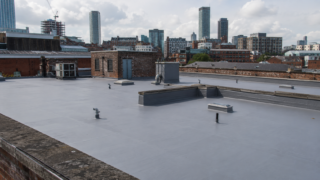
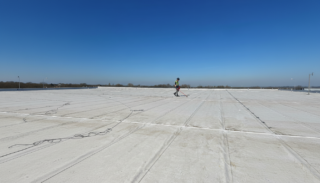
liquid-waterproofing-roofing-beforeliquid-waterproofing-after

FROM FAILING ROOF COVERING TO SEAMLESS WATERPROOFING

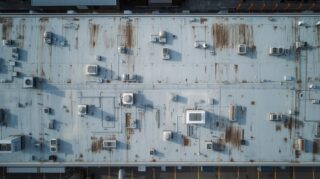
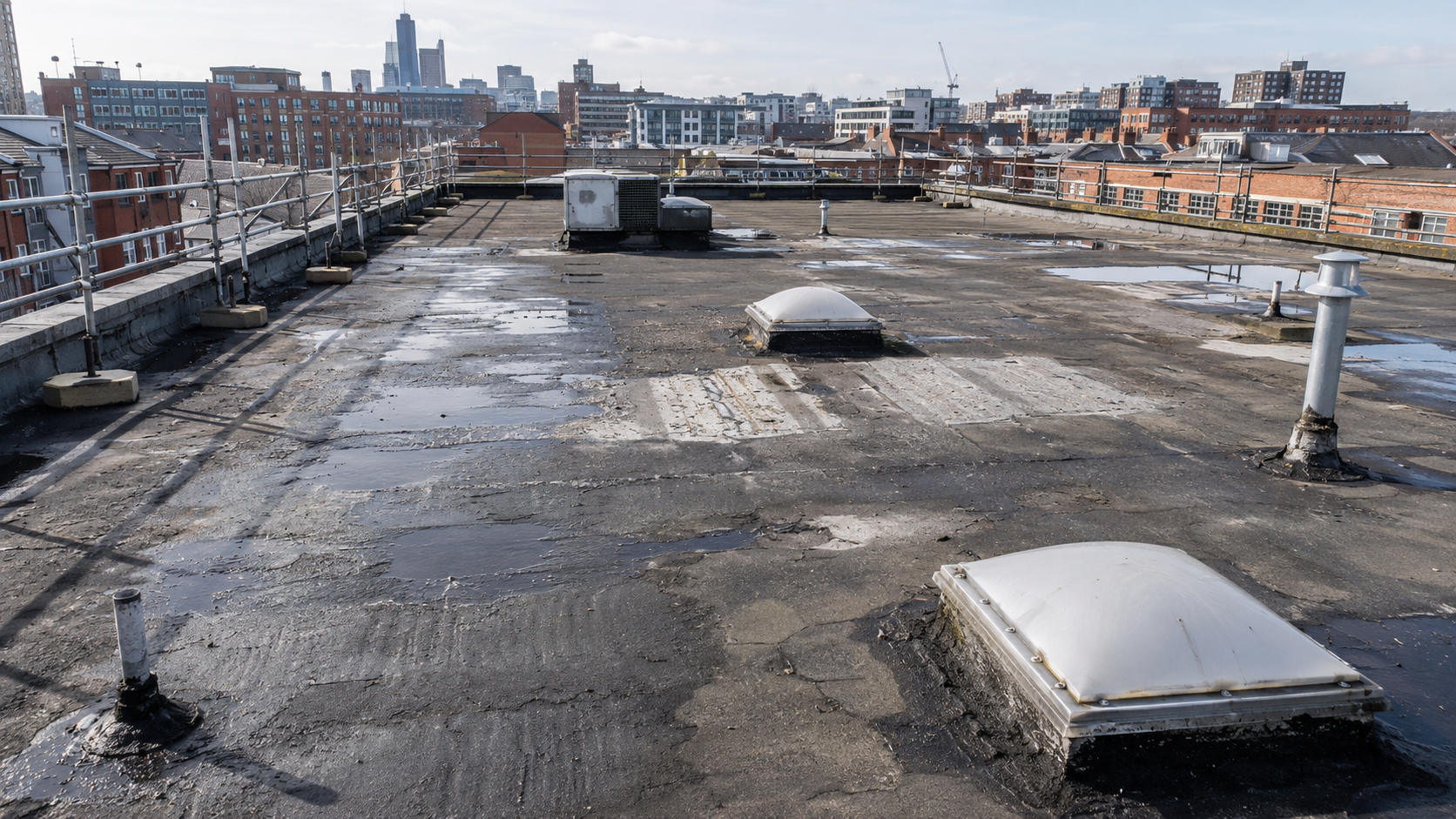
Ageing flat roofs commonly develop defects around laps, previous repairs, penetrations, outlets and changes in level. The main roof covering may still be capable of refurbishment, but isolated patching can leave the underlying causes unresolved and introduce further interfaces across the roof.

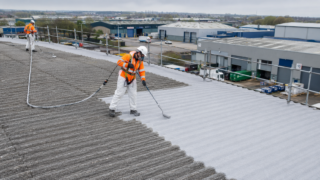
Zenith Roofing assesses the existing construction before removing failed material, completing local repairs and preparing the surface. A compatible liquid-applied membrane can then be reinforced and installed continuously across the roof and its critical details, creating a fully bonded waterproofing system without automatically stripping the complete roof back to the deck.

Liquid membranes are widely used as refurbishment overlays because they can bond to suitable existing waterproofing and form a continuous finish across seams and complex details. Suitability still depends on inspection, substrate preparation and system compatibility

COLD-APPLIED LIQUID ROOFING SYSTEMS

FLAT ROOF WATERPROOFING FOR OVERLAYS, COMPLETE ROOFS & COMPLEX DETAILS.

Liquid roofing can be used across complete roof areas or concentrated where conventional sheet materials are difficult to detail reliably.

Zenith Roofing selects the membrane chemistry, reinforcement, primer and preparation method around the existing substrate, roof configuration and required performance. Every layer is installed as part of one coordinated waterproofing build-up rather than treated as an isolated surface coating.

Working alongside leading brands

WORK WITH ZENITH

Ready to move your project forward?

Every site presents different technical, operational and programme requirements. We start by understanding the environment, the existing condition and the outcome you need, before recommending a flooring or roofing solution that can be delivered safely, efficiently and with lasting performance.

THE WATERPROOFING MUST BOND TO THE EXISTING ROOF

Liquid waterproofing is fully bonded to its substrate, making the condition of the retained roof fundamental to the completed installation.

Zenith Roofing investigates the existing covering, local defects and visible drainage before confirming the preparation and repair scope. Where required, adhesion testing, moisture investigation or local opening-up can help establish whether the proposed substrate can remain beneath the new membrane.

SURVEYING BEFORE SPECIFYING THE OVERLAY

Water appearing internally does not always identify the point at which it entered the roof. Moisture may travel through insulation, beneath an existing membrane or along structural interfaces before becoming visible inside the building.

The roof assessment considers the covering, seams, previous repairs, outlets, upstands, penetrations and areas of ponding or poor drainage. Evidence of trapped moisture, degraded insulation or unstable material must be considered before an overlay is proposed.

The resulting scope can distinguish between local repair, full-surface waterproofing and areas requiring more substantial replacement rather than treating every leak as the same defect.

REINFORCEMENT IS PART OF THE WATERPROOFING BUILD-UP

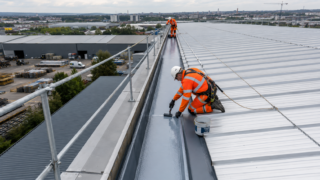
A professionally installed liquid roof is formed in controlled layers. The primer, embedment coat, reinforcement and finishing resin each perform a defined function within the completed membrane.

The reinforcement is fully bedded, overlapped and continued through the relevant details so that waterproofing remains consistent across the installation. Material coverage and membrane thickness are controlled throughout application rather than judged only by the appearance of the finished surface.

This produces a reinforced system capable of performing across both open roof areas and the more complex interfaces around them.

COMPLEX DETAILS SHOULD BE RESOLVED BEFORE THE OPEN ROOF

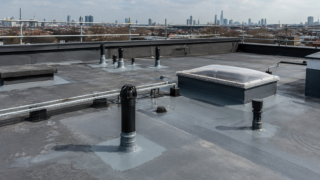
The open areas of a flat roof are often comparatively straightforward. Waterproofing risk becomes concentrated around outlets, rooflights, kerbs, service penetrations, movement joints and terminations.

Zenith Roofing prepares and reinforces these interfaces using components and application methods compatible with the selected system. Defective sealants, loose flashings, damaged arrises and previous repairs are addressed before the main membrane is continued through the detail.

Planning these areas first reduces the risk of leaving difficult junctions to be improvised once the wider roof application is underway.

A SEAMLESS MEMBRANE DOES NOT CORRECT POOR DRAINAGE

Liquid waterproofing can follow complicated roof geometry, but it should not be used to disguise unresolved falls, restricted outlets or persistent areas of standing water.

Zenith Roofing reviews visible drainage routes and ponding during the roof assessment. Outlets, channels and local levels can then be included within the refurbishment scope where appropriate, with more substantial alterations coordinated through the wider project team.

The waterproofing system is installed around a functioning drainage strategy rather than relied upon to compensate for defects in the roof geometry.

Liquid waterproofing is a cold-applied resin system that cures to form a continuous, fully bonded membrane across a flat or low-pitched roof.

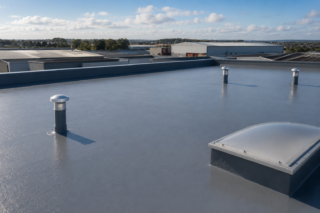
Unlike sheet coverings, the completed membrane has no regular laps or seams. It can follow the shape of the roof and be reinforced around outlets, rooflights, penetrations, upstands and other detailed areas where water ingress commonly develops.

Yes, suitable existing felt, asphalt, single-ply and other compatible roof coverings can often receive a liquid-applied overlay.

The existing waterproofing must be stable, sufficiently dry and capable of supporting the new system. Loose material, blisters, failed repairs and defective details are addressed first, with the appropriate preparation and primer determined by the retained substrate.

An overlay should not be used to conceal widespread saturation, unstable materials or a roof construction that requires more substantial replacement.

Not always. A localised reinforced repair may be appropriate where the defect is clearly identified and the surrounding roof remains serviceable.

A complete overlay may offer better value where leaks are recurring, the existing covering has deteriorated across several areas or years of patch repairs have created numerous vulnerable interfaces. Zenith Roofing assesses the wider roof condition before recommending whether the work should remain local or extend across the full surface.

The assessment considers the roof covering, previous repairs, adhesion, visible moisture, drainage, outlets, penetrations, upstands and areas of standing water.

Adhesion tests, moisture investigation or local opening-up may be required where the condition beneath the visible surface is uncertain. The resulting scope identifies what can remain, which areas need repair and whether any part of the existing roof must be removed before waterproofing begins.

Yes. Liquid-applied membranes are particularly useful around rooflights, vents, ducts, pipes, plinths, outlets, parapets and changes between different compatible materials.

These areas are prepared and reinforced before the membrane is continued across the adjoining roof. The system must extend to a secure termination rather than covering only the visible crack or suspected entry point.

The programme depends on the roof area, substrate condition, repair requirements, number of details and selected system.

Small localised works may be completed quickly, while a full commercial roof overlay involving moisture investigation, repairs and extensive reinforcement will require a longer programme. Work can often be phased above an occupied building, although roof access, weather conditions and curing periods must remain controlled throughout.

Cost depends on the roof area, existing covering, preparation requirements, local repairs and complexity of the detailing.

Trapped moisture, defective insulation, drainage alterations, numerous penetrations, restricted access and the need for temporary edge protection can all affect the quotation. Providing roof plans, photographs, leak history, access information and any previous survey findings will help Zenith Roofing establish an initial scope before completing the roof assessment.

ALL ROOFING SERVICES

GET STARTED

Tell us a little about your project and the service you require. A member of the Zenith team will review your enquiry and contact you to discuss the next steps.