AUTOMOTIVE FLOORING FROM SHOWROOM FINISH TO SERVICE-BAY DURABILITY

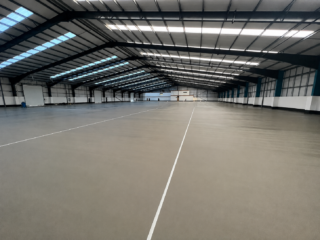
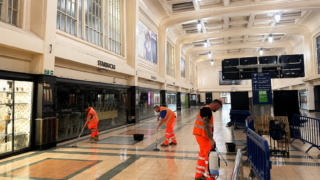
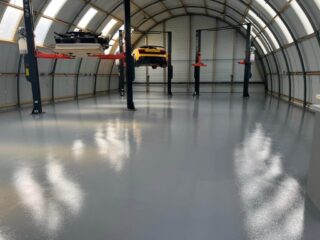
Zenith Flooring installs and refurbishes resin flooring throughout dealerships, workshops, MOT centres, bodyshops, fleet facilities and vehicle-maintenance environments across the UK. From seamless customer-facing floors to hard-wearing workshop coatings, each system is specified around vehicle movement, oils and chemicals, impact, cleaning, slip resistance, appearance and the time available to complete the work.

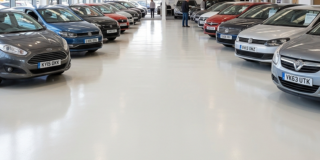
automotive-beforezenith-cars

RENEWING THE FLOOR ACROSS THE COMPLETE AUTOMOTIVE SITE

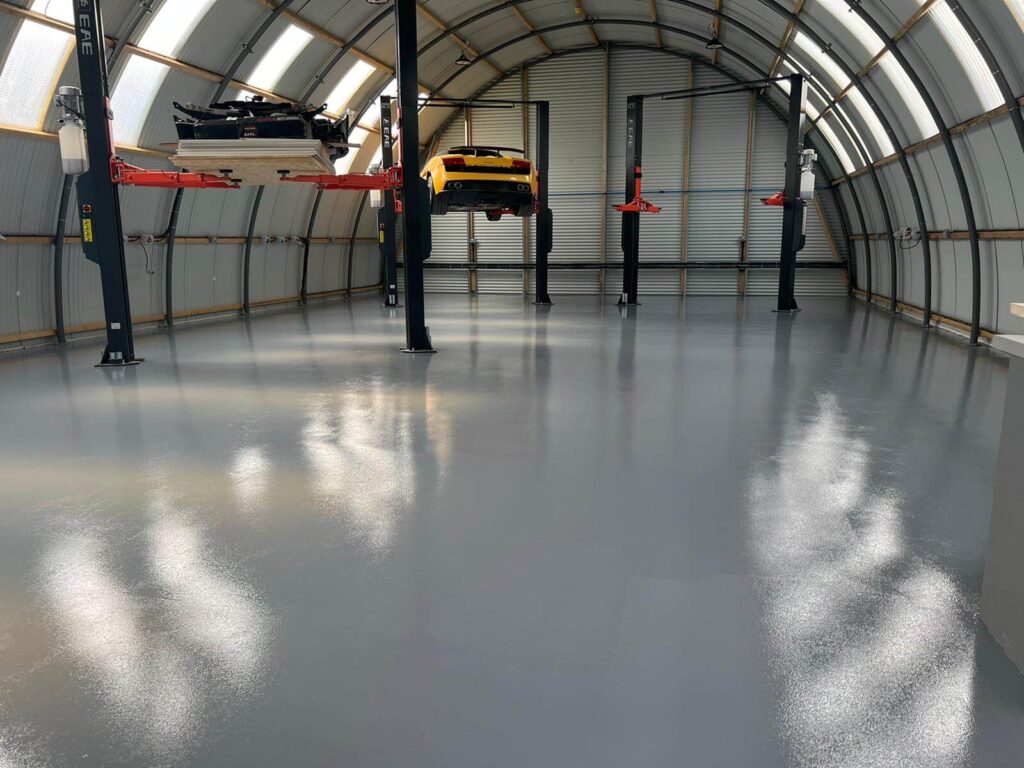
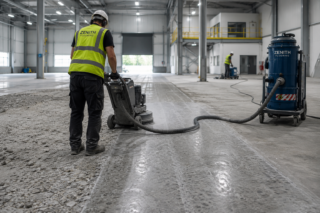
Automotive floors deteriorate in different ways. Showroom finishes may become scratched, stained or visually dated, while workshops can develop failed coatings, oil contamination and damage around lifts, pits and service bays. Zenith Flooring assesses each area before removing unsuitable finishes, treating contamination and repairing defects within the concrete.

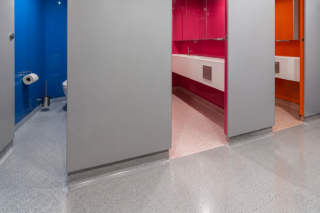
The replacement system is then selected around the use of each space, from smooth decorative finishes in customer-facing areas to high-build or textured resin flooring in workshops, wash bays and operational zones. Colours, service bays, pedestrian routes and safety markings can also be incorporated into the completed floor.

AUTOMOTIVE RESIN FLOORING SYSTEMS

AUTOMOTIVE FLOORING FOR SHOWROOMS, WORKSHOPS & SERVICE AREAS.

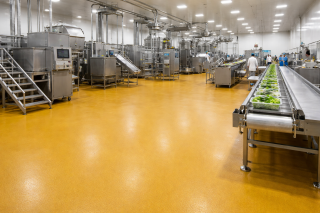
Zenith Flooring installs resin systems across customer-facing and operational automotive environments. Smooth decorative floors, durable workshop coatings and heavier-duty textured systems are specified around vehicle traffic, chemicals, impact, cleaning, slip resistance and the condition of the existing slab.

Working alongside leading brands

WORK WITH ZENITH

Ready to move your project forward?

Every site presents different technical, operational and programme requirements. We start by understanding the environment, the existing condition and the outcome you need, before recommending a flooring or roofing solution that can be delivered safely, efficiently and with lasting performance.

THE FLOOR MUST SUPPORT PRESENTATION AND PRODUCTIVITY

Automotive sites combine visible customer environments with demanding working areas. The flooring package must therefore respond to appearance, durability and operational use without treating every part of the building as though it performs the same function.

Zenith Flooring manages the sequence from investigation and mechanical preparation through to repairs, resin installation, colour zoning and handover. Different systems can be coordinated across the site while maintaining deliberate transitions and a consistent overall finish.

CONTAMINATION CANNOT SIMPLY BE SEALED IN

Automotive slabs can retain oil, grease, adhesives and residues from previous use. Applying a new coating without addressing these conditions can compromise adhesion and transfer the underlying problem into the replacement floor.

Zenith removes failed finishes and mechanically prepares the concrete to expose the actual substrate condition. Local contamination can then be treated using the preparation method and compatible primer appropriate to the selected system.

Cracks, bolt holes, damaged concrete and previous repairs are reinstated before the resin is applied. FeRFA automotive case studies document the use of diamond grinding, cleaning, moisture-control primers and oil-tolerant primers where workshop substrates presented these conditions.

DETAILING AROUND PITS, LIFTS AND FIXED EQUIPMENT

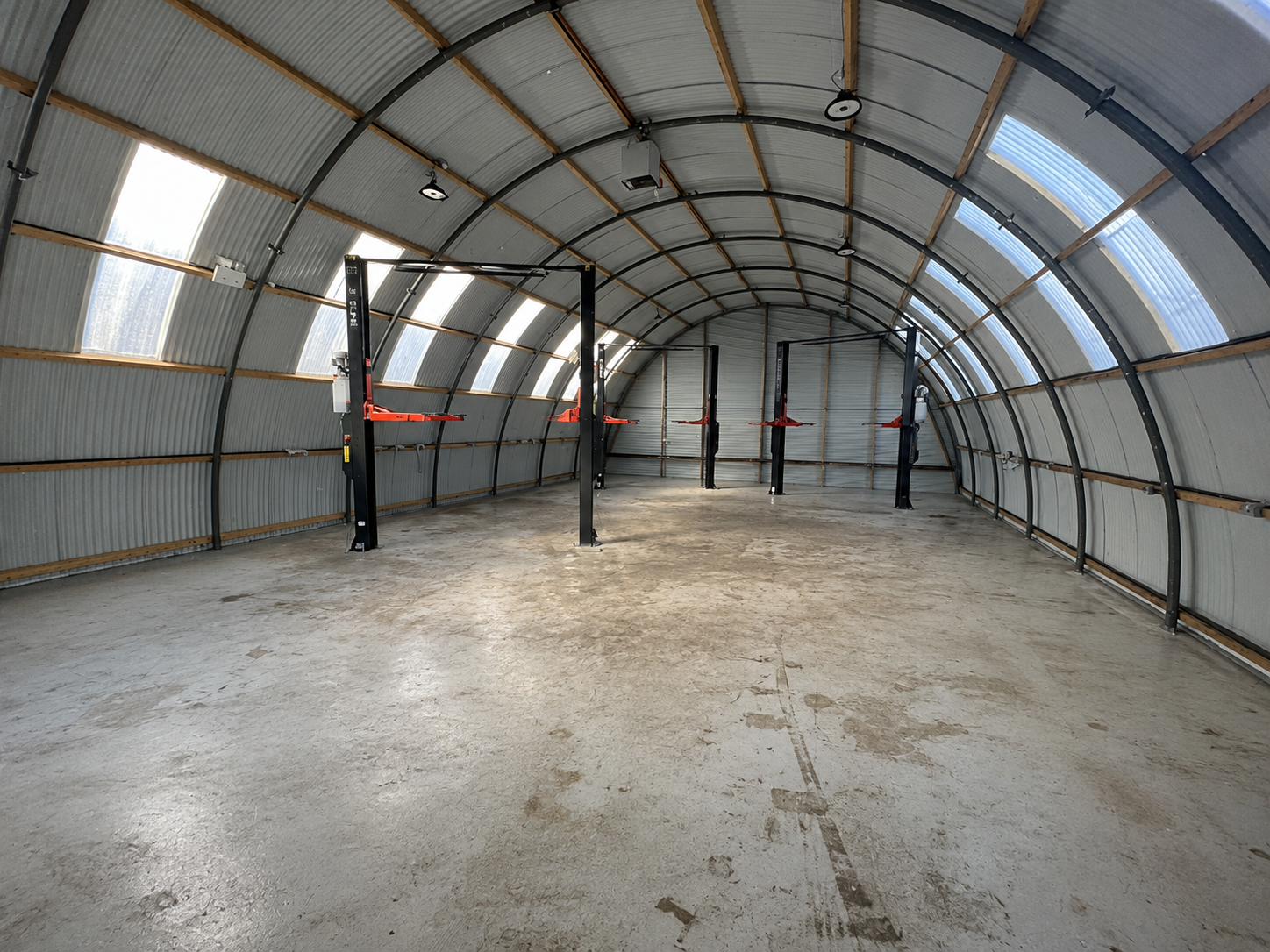
Open floor areas represent only part of an automotive installation. Vehicle lifts, inspection pits, drainage channels, thresholds, machinery bases and service penetrations create edges and interfaces that receive concentrated use.

Zenith incorporates these details into the preparation and repair scope. Damaged arrises can be rebuilt, restricted areas prepared with enclosed hand equipment and the resin finish carefully terminated around fixed equipment and access covers.

Where installation takes place before new workshop equipment is fitted, the proposed layout can be reviewed so that the flooring sequence and subsequent fixings are properly coordinated.

SLIP RESISTANCE WHERE CONTAMINATION OCCURS

Water, oil and other automotive fluids can significantly alter the behaviour of a smooth floor. The required surface texture should therefore reflect the likely contamination, gradients, footwear and cleaning process within each area.

Zenith can introduce graded aggregate into the resin build-up across wash bays, workshop zones, entrances and other locations requiring additional grip. Predominantly dry areas may receive a finer finish to support easier cleaning and smooth vehicle or trolley movement.

HSE states that slips and trips account for around 20% of injuries in motor-vehicle repair and recommends level floors without holes, suitable slip-resistant surfaces and clearly marked gangways alongside prompt spill control.

COLOUR AND DEMARCATION BUILT INTO THE FLOOR

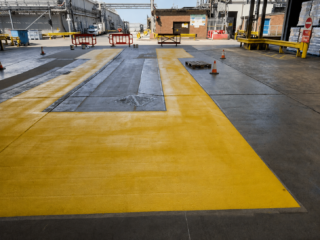
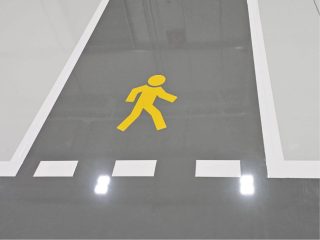
Colour can do more than improve the appearance of an automotive facility. Contrasting resin finishes and line markings can identify service bays, pedestrian walkways, vehicle lanes, inspection areas, hazardous edges and keep-clear zones. This helps organise the working layout without relying on markings added independently after the main floor has been completed.

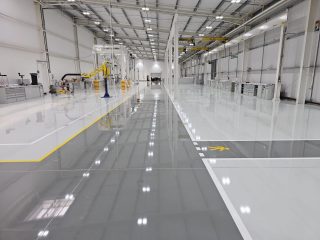
Lighter floor colours can also create a brighter visual environment around vehicles and working areas, while darker or contrasting zones can be used where tyre marking and concentrated wear are more likely to occur.

Zenith can coordinate these finishes with the wider resin installation so that the markings share compatible preparation, curing and maintenance requirements.

The best vehicle workshop flooring depends on traffic, vehicle type, chemical exposure, cleaning and the condition of the concrete slab.

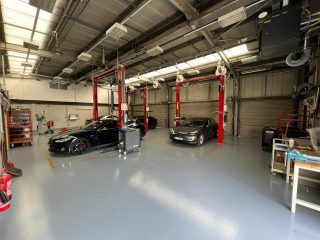
High-build epoxy and multi-layer resin systems are commonly used because they create a sealed, hard-wearing surface that withstands tyres, trolley jacks, tools and routine workshop use. Wash bays, bodyshops and HGV maintenance areas may require a thicker or more textured system than a standard service workshop.

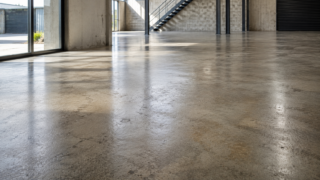
Yes. Smooth epoxy, polyurethane and decorative resin flooring can provide a seamless, contemporary finish for showrooms, handover bays, receptions and customer circulation areas.

The system can be selected around the dealership design, expected footfall, tyre marking and desired sheen. Careful floor preparation and levelling are particularly important in visible areas because defects in the substrate may show through a smooth finish.

Existing automotive floors can often be repaired and resurfaced without replacing the complete slab.

Old coatings, tiles and contaminated surface material may need to be removed before cracks, potholes, bolt holes and damaged concrete are reinstated. The floor is then mechanically prepared and assessed for moisture or oil contamination before a compatible primer and resin system are applied.

A site survey establishes whether the existing concrete is suitable for refurbishment.

Automotive resin flooring can be specified to resist common workshop contaminants, including oils, fuels, lubricants, coolants, cleaning products and selected chemicals.

Resistance varies between resin chemistries and products, so the substances, concentrations and likely contact times should be identified before the system is selected. Spillages should still be removed promptly rather than being allowed to remain on the floor indefinitely.

Yes. Graded aggregate can be incorporated into the resin system to create additional surface texture in workshops, wash bays, entrances and other areas exposed to water or automotive fluids.

The texture should balance slip resistance with cleaning and vehicle movement. An excessively coarse finish may retain dirt or make wheeled equipment harder to move, while a smooth coating may be unsuitable for frequently contaminated areas.

Yes. Contrasting resin colours and durable line markings can identify service bays, MOT inspection areas, pedestrian routes, vehicle lanes, keep-clear zones and hazardous edges.

Coordinating the demarcation with the main flooring installation helps ensure compatible materials, accurate setting out and a consistent completed finish. Existing obsolete markings can also be removed where required.

Cost depends on the floor area, substrate condition, preparation requirements and selected resin build-up. Oil contamination, coating or tile removal, repairs, line marking, detailed work around lifts and pits, and restricted working hours can all affect the quotation.

Installation can often be phased by workshop bay, showroom zone or operational area to maintain access elsewhere on the site. Drawings, photographs, opening hours and details of planned equipment changes will help Zenith develop an appropriate programme and scope.

ALL ZENITH FLOORING SERVICES

GET STARTED

Tell us a little about your project and the service you require. A member of the Zenith team will review your enquiry and contact you to discuss the next steps.