ANTI-SLIP TILE TREATMENT FOR EXISTING COMMERCIAL FLOORS

Zenith Flooring applies professional anti-slip treatments to suitable ceramic, porcelain and natural stone tiled floors across commercial and public environments throughout the UK.

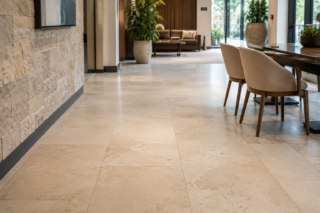
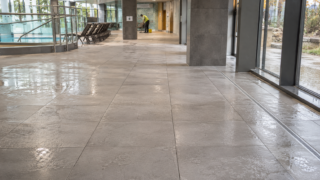
The treatment microscopically modifies the existing tile surface to increase traction, particularly when wet, without introducing a visible resin coating or replacing an otherwise serviceable floor. It provides a practical option for entrances, changing areas, washrooms, leisure facilities, hospitality spaces and other tiled areas where slip risk has become a concern.

IMPROVING WET GRIP WITHOUT REPLACING THE TILED FLOOR

Smooth ceramic, porcelain and stone tiles may perform adequately when dry but become considerably more difficult underfoot when exposed to water, cleaning residues or other contamination. Where the tiles themselves remain in good condition, complete floor replacement can introduce unnecessary cost, disruption and changes to the appearance of the space.

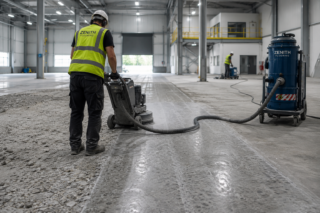
Zenith Flooring cleans and assesses the existing surface before completing a discreet test area and applying the anti-slip treatment across the agreed floor. The process alters the microscopic texture of suitable tiles rather than adding a raised coating, allowing the existing colour, pattern and floor levels to remain largely unchanged while improving traction.

ANTI-SLIP TREATMENT FOR EXISTING TILED SURFACES

ANTI-SLIP TILE TREATMENT FOR CERAMIC, PORCELAIN & NATURAL STONE

Different tiled surfaces respond differently to anti-slip treatment, making substrate identification and a controlled test area important before the wider floor is treated.

Zenith Flooring assesses the existing tile, its finish, condition and normal exposure to water or contamination before establishing the treatment method. This allows slip resistance to be improved while retaining as much of the existing floor appearance as possible.

Working alongside leading brands

WORK WITH ZENITH

Ready to move your project forward?

Every site presents different technical, operational and programme requirements. We start by understanding the environment, the existing condition and the outcome you need, before recommending a flooring or roofing solution that can be delivered safely, efficiently and with lasting performance.

KEEP THE EXISTING TILE. IMPROVE HOW THE SURFACE PERFORMS.

A tiled floor does not necessarily need replacing simply because it has become slippery.

Where the substrate remains sound and the tile is compatible with treatment, Zenith Flooring can modify the existing surface without introducing the build-up, joints or visual change associated with installing another flooring system over it.

START WITH THE TILE THAT IS ALREADY THERE

Not every tiled surface responds in exactly the same way.

Tile material, glaze, polishing, existing sealers, previous treatments and general wear can all influence how the surface reacts. Zenith Flooring therefore assesses the floor before committing to full-area treatment.

Loose, cracked or badly damaged tiles should be addressed separately rather than expecting an anti-slip treatment to resolve defects within the floor itself.

TEST A SMALL AREA BEFORE TREATING THE COMPLETE FLOOR

A discreet test area allows the response of the existing surface to be assessed before work progresses across the wider space.

This is particularly useful with decorative tiles and natural stone, where appearance and surface characteristics can vary between products. The test helps establish treatment suitability and gives the client an opportunity to understand the resulting finish.

Once the response has been established, the wider area can be planned around the same controlled application process.

CLEANING IS PART OF THE PREPARATION

Grease, detergent residue, polish, soap and accumulated contamination can prevent the treatment from acting consistently across the tile surface.

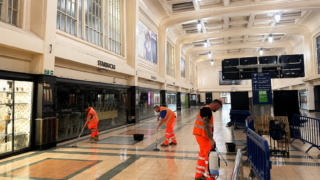
The floor therefore needs to be prepared appropriately before application. Existing contamination is removed so that the treatment reaches the tile itself rather than reacting unevenly through layers of residue.

This is also why the ongoing cleaning regime remains important after treatment: surface contamination can reduce the practical grip available from any flooring material. HSE guidance similarly identifies wet and contaminated floors as a principal contributor to slip incidents.

MICROSCOPIC SURFACE TREATMENT RATHER THAN A VISIBLE COATING

Zenith’s tile treatment uses a controlled mildly acidic solution to microscopically alter suitable ceramic, porcelain and natural-stone surfaces. The process is then neutralised as part of the completed application.

Because the treatment acts on the tile itself, there is no thick resin layer added above the floor and no meaningful change to finished floor level.

This makes it particularly attractive in completed interiors where thresholds, doors, drainage details and adjoining finishes are already established.

TARGET THE AREAS WHERE SLIP RISK ACTUALLY OCCURS

Not every part of a building experiences the same conditions.

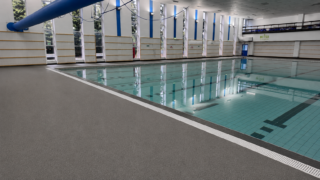
An entrance may become slippery through rainwater tracked indoors, while changing rooms and pool surrounds experience repeated wetting throughout the day. Hospitality and washroom environments introduce different combinations of water, cleaning products and pedestrian use.

Zenith Flooring can focus treatment on the relevant tiled areas rather than automatically replacing or resurfacing an entire floor.

Anti-slip tile treatment is a surface treatment designed to increase traction on suitable ceramic, porcelain and natural-stone floors.

Rather than adding a thick coating over the tiles, the treatment microscopically modifies the existing surface. This can improve grip, particularly in wet conditions, while retaining the existing tile colour, pattern and floor levels.

Many ceramic, porcelain and suitable natural-stone tiles can be considered for treatment.

The result depends on the tile material, glaze, polish, porosity and any existing sealers or previous surface treatments. Zenith Flooring assesses the floor and can complete a discreet test area before treating the wider space.

The aim is to improve traction while keeping the existing tiled finish visually consistent.

Because the process acts microscopically on the surface rather than introducing a visible resin layer, changes are generally much less noticeable than with a textured coating or replacement floor. A test area is particularly useful on decorative tiles or natural stone where appearance is important.

Yes. It can be particularly useful in areas where otherwise smooth tiled surfaces are regularly exposed to water.

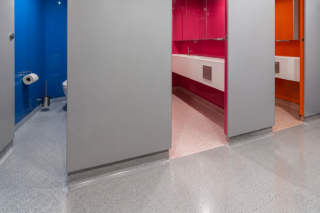
Typical applications include changing rooms, pool surrounds, showers, washrooms, entrances, hospitality areas and other commercial or public spaces where wet conditions can increase slip risk.

The wider cleaning regime, drainage and sources of contamination should still be considered alongside the floor treatment.

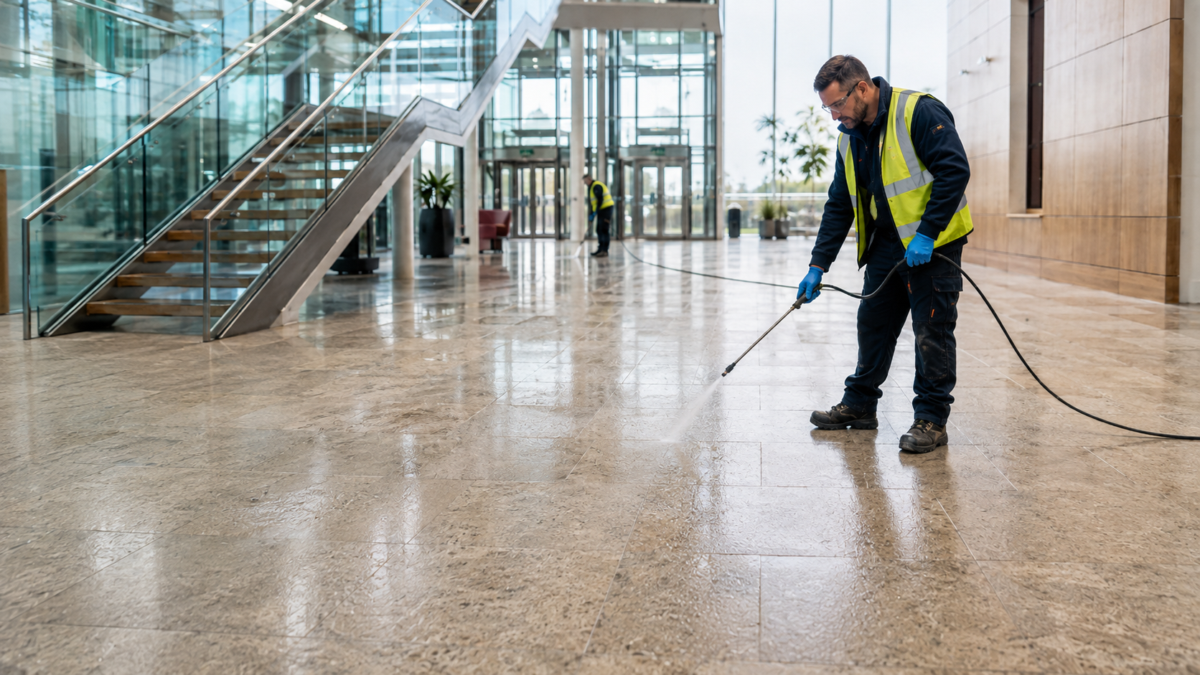
Service life depends on the tile, level of foot traffic, cleaning regime and the conditions within the treated area.

The treatment acts on the tile surface rather than forming a sacrificial coating above it, but the floor still needs appropriate ongoing cleaning. Heavy contamination, unsuitable maintenance products or significant surface wear can affect the practical grip available over time.

Anti-slip treatment does not repair defects within the tiled floor itself.

Cracked, loose, badly chipped or uneven tiles should be repaired or replaced where necessary before the wider treatment is completed. Where the tiled installation has widespread defects, a different refurbishment or anti-slip flooring system may offer a better long-term solution.

Cost depends on the floor area, tile type, condition of the surface, preparation requirements and whether the work needs to be phased around an operational building.

Heavy contamination, existing sealers, restricted working hours and multiple separate treatment areas can all affect the quotation. Providing photographs, approximate dimensions and information about how the area becomes slippery will help Zenith Flooring establish the likely scope before the floor assessment.
ALL ZENITH FLOORING SERVICES

GET STARTED

Tell us a little about your project and the service you require. A member of the Zenith team will review your enquiry and contact you to discuss the next steps.