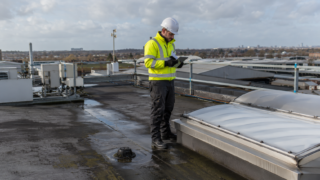
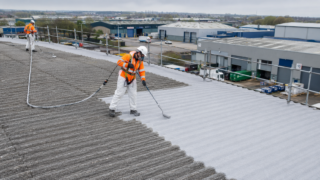
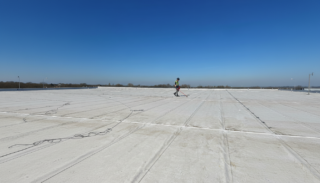
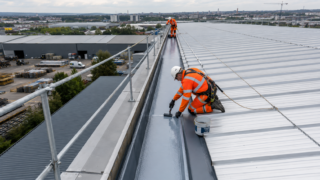
Zenith Roofing carries out condition surveys, defect investigations and aerial inspections for commercial and industrial roofs throughout the UK.
We combine visual inspection, targeted testing and drone imagery where appropriate, helping clients understand the condition of their roof, investigate water ingress and prioritise maintenance, repair or refurbishment work.
Internal staining, recurring leaks, corrosion, ponding water and failed surface treatments can all indicate roofing defects, but they do not necessarily reveal where the problem began or how far it extends. Repeated patch repairs may address individual symptoms while wider deterioration remains unidentified.
Zenith Roofing surveys the relevant roof areas using an appropriate combination of direct inspection, aerial imagery and targeted testing. Defects are recorded, their likely significance is assessed and the findings are converted into prioritised recommendations for maintenance, repair or more substantial refurbishment.
The correct survey method depends on the roof construction, building access, suspected defect and decisions the client needs to make.
Zenith Roofing establishes the purpose of the survey before selecting the inspection and testing methods. This creates a focused investigation rather than producing a collection of photographs without a clear route forward.
A roof condition survey provides a structured assessment of the existing covering and its principal details.
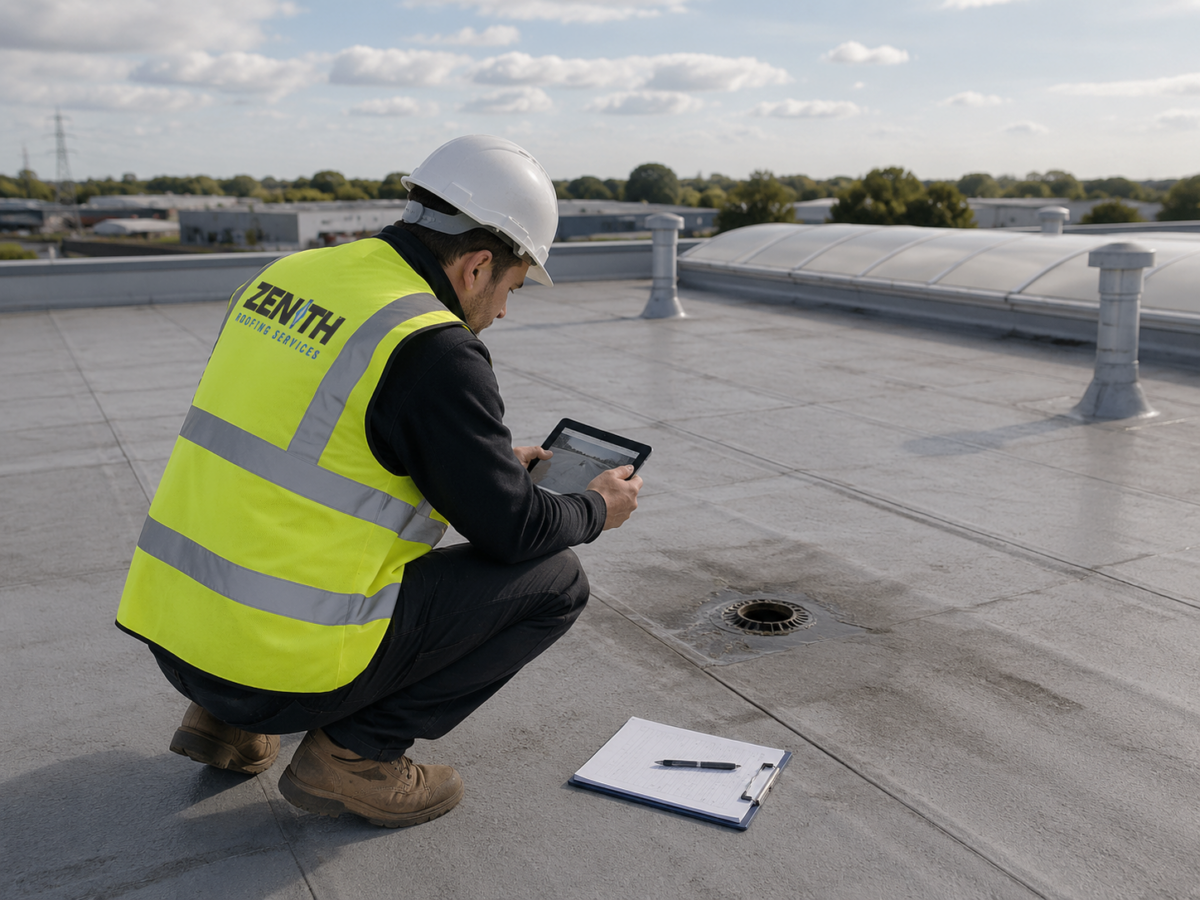
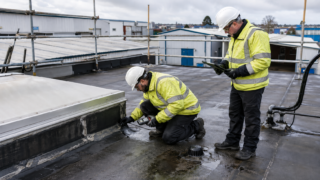
Zenith Roofing examines accessible membranes, roof sheets, seams, laps, flashings, outlets, gutters, rooflights, penetrations, fixings, terminations and previous repairs. Visible deterioration and maintenance concerns are recorded across the agreed survey area.
The findings can support planned maintenance, property management, budget preparation and decisions about whether the roof requires isolated repairs, targeted refurbishment or a more extensive renewal programme.
Water appearing inside a building may have travelled beneath the roof covering or along structural interfaces before becoming visible internally.
Zenith Roofing compares the internal evidence with roof-level defects, drainage routes, penetrations, seams and previous repairs to establish the most credible sources of ingress. The investigation considers the wider water path rather than assuming the leak sits directly above the internal staining.
Where visual inspection alone cannot resolve the uncertainty, targeted testing or local investigation can be agreed around the roof type and suspected defect.
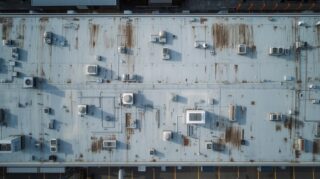
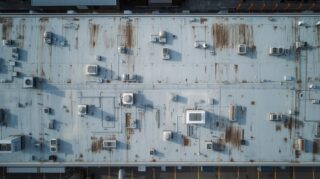
Drone inspection provides rapid visual coverage across large, high-level or difficult-to-access commercial roofs.
High-resolution aerial imagery can help identify damaged coverings, displaced components, open laps, blocked drainage routes, corrosion, vegetation and areas requiring closer attention. It also provides useful context across roof elevations that may be difficult to understand from isolated access points.
Where an aerial survey identifies defects requiring physical verification, Zenith Roofing can target subsequent close inspection or testing rather than relying on imagery alone.


Every site presents different technical, operational and programme requirements. We start by understanding the environment, the existing condition and the outcome you need, before recommending a flooring or roofing solution that can be delivered safely, efficiently and with lasting performance.
A useful roof survey should do more than confirm that defects exist. It should help the client understand what needs attention, what can be monitored and where expenditure should be prioritised.
Zenith Roofing develops the survey around the reason it has been requested, then connects the findings to practical maintenance and remedial options.
A recurring leak investigation requires a different approach from a planned condition survey across an entire property portfolio.
The survey may be intended to investigate active water ingress, establish the condition of an ageing roof, support a maintenance budget, assess storm damage or inform a planned refurbishment project. Agreeing that purpose at the outset determines which areas need inspecting and how detailed the resulting recommendations should be.
Available roof plans, leak histories, previous repair records and internal photographs can help focus the investigation before access begins.
No single survey method is suitable for every roof.
Direct access allows individual details and material condition to be examined closely. Drone imagery provides broader visual coverage across extensive or restricted areas. Targeted testing can then be introduced where the visible condition does not provide enough evidence.
Zenith Roofing selects and combines these methods around the building, roof construction and suspected issue rather than treating a drone flight or visual walkover as a complete answer in every situation.
The point at which water becomes visible inside a building may be some distance from where it entered.
Moisture can travel beneath membranes, through insulation, along purlins or around penetrations before reaching the occupied space. Multiple roof defects may also contribute to similar internal symptoms.
The survey therefore considers drainage, falls, seams, joints, upstands, rooflights, gutters and previous repairs alongside the reported leak location. This produces a more useful basis for remedial work than simply covering the nearest visible defect.
Not every observation carries the same urgency.
Active water ingress, loose materials, open joints and severely deteriorated details may require prompt action. Other items, such as early coating breakdown, local sealant deterioration or accumulating debris, may be suitable for planned maintenance before they develop into more expensive defects.
Zenith Roofing organises the findings around practical priorities so that clients can distinguish urgent repairs from medium-term refurbishment and routine maintenance.
A survey becomes more valuable when its recommendations can be translated into a clear scope of work.
Zenith Roofing can use the findings to develop proposals for liquid waterproofing, cut edge corrosion treatment, gutter lining, asbestos cement roof encapsulation and associated local repairs where these services are appropriate.
This creates continuity between investigation and delivery while allowing clients to understand which defects are included, which areas can remain in service and what further work may need to be planned.
The scope depends on the building, roof construction and reason for the inspection.
A condition survey may include accessible roof coverings, seams, laps, flashings, outlets, gutters, rooflights, penetrations, fixings, previous repairs and visible drainage issues. Zenith Roofing agrees the inspection scope beforehand so that the survey addresses the client’s actual concerns rather than producing a general collection of photographs.

A survey can often identify the most credible source or sources of water ingress, although the visible internal leak may not sit directly beneath the original defect.
Zenith Roofing compares internal staining with roof-level seams, penetrations, drainage routes, upstands and previous repairs. Where visual evidence is inconclusive, targeted testing or local investigation may be recommended to narrow down the cause before repair work is specified.
A roof survey is the wider inspection and diagnostic service. A drone is one method that may be used within it.
Drone imagery provides efficient visual coverage of large, high-level or difficult-to-access roofs. Direct access allows materials and individual details to be examined more closely, while targeted testing can investigate issues that are not visible from the surface. Zenith Roofing selects the most useful combination for the building and suspected defect.
Not in every case.
A drone can reveal visible damage, corrosion, open laps, blocked gutters, vegetation and other surface defects. It cannot physically check whether a material is loose, test adhesion or confirm what is happening beneath a roof covering.
Aerial inspection may provide enough information for an initial condition overview, but defects requiring confirmation can lead to a closer inspection or targeted testing stage.
Yes. Drone inspection can provide useful initial coverage where direct access is restricted or where the roof covering must be treated as fragile.
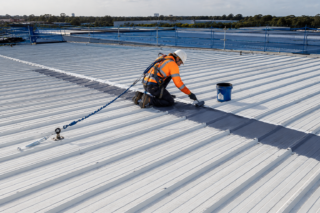
The available asbestos information, roof condition and access requirements are considered before the inspection method is confirmed. Where physical access is necessary, it must be planned using controls appropriate to the roof rather than relying on the sheets themselves as a safe working surface.
The deliverable is agreed around the purpose and depth of the survey.
It may include photographs or aerial imagery, recorded defects, observations on roof condition and prioritised recommendations for maintenance, repair or refurbishment. Where appropriate, Zenith Roofing can also develop a proposed scope for relevant remedial roofing works.
The report should distinguish urgent defects from items that can be monitored or included within planned maintenance.
Cost depends on the building size, roof area, access, number of elevations and level of inspection or testing required.
Drone deployment, specialist access, multiple roof zones, targeted testing and detailed reporting can all affect the quotation. Providing the building address, roof plans, photographs, leak history and the reason for requesting the survey will help Zenith Roofing establish the appropriate scope and price.
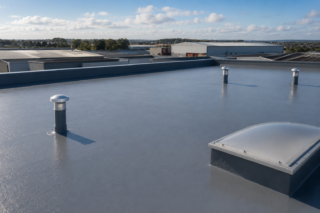
Zenith Roofing installs liquid-applied waterproofing systems for commercial and industrial flat and low-pitched roofs. The seamless, fully bonded membrane accommodates complex details and natural building movement, helping prevent water ingress, extend roof service life and minimise disruption, often without a full roof replacement where the existing substrate is suitable.
Zenith Roofing provides cut edge corrosion treatment for profiled metal roofs and cladding where exposed sheet edges have begun to deteriorate. Affected areas are prepared, stabilised and sealed using specialist protective systems to prevent further corrosion, reduce the risk of water ingress and extend roof service life without unnecessary sheet replacement.
Zenith Roofing applies specialist encapsulation systems to seal and protect ageing asbestos cement roofs without the disruption of full removal. Where the existing roof is suitable, this controlled refurbishment process helps reduce the risk of fibre release, restore weather protection and extend its serviceable life.
Zenith Roofing carries out detailed roof condition surveys and diagnostic testing for commercial and industrial properties. We identify defects, investigate areas of concern and assess the roof’s remaining service life, providing the information needed to plan maintenance, repairs or refurbishment with confidence.
Zenith Roofing provides safe and efficient drone roof surveys for commercial and industrial buildings. High-resolution aerial imagery allows us to inspect large or difficult-to-access roof areas, identify visible defects and provide clear evidence to support maintenance, repair and refurbishment planning.
Zenith Roofing installs seamless gutter lining systems that waterproof leaking or deteriorated gutters without the cost and disruption of full replacement. Our durable lining solutions seal vulnerable joints and complex details, helping prevent water ingress and extend the life of commercial roof drainage systems.
Tell us a little about your project and the service you require. A member of the Zenith team will review your enquiry and contact you to discuss the next steps.
© 2026 Zenith Group. All rights reserved.
Zenith Flooring Limited and Zenith Roofing Services Limited are part of the Zenith Group.