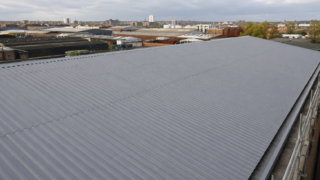
Zenith Roofing encapsulates and refurbishes suitable asbestos cement roofs across commercial and industrial buildings throughout the UK.
Working from the available asbestos information and roof-condition assessment, we complete controlled preparation, local repairs and detailed sealing before applying a compatible protective coating system. This can extend the serviceable life of retained roof sheets while avoiding unnecessary wholesale removal.

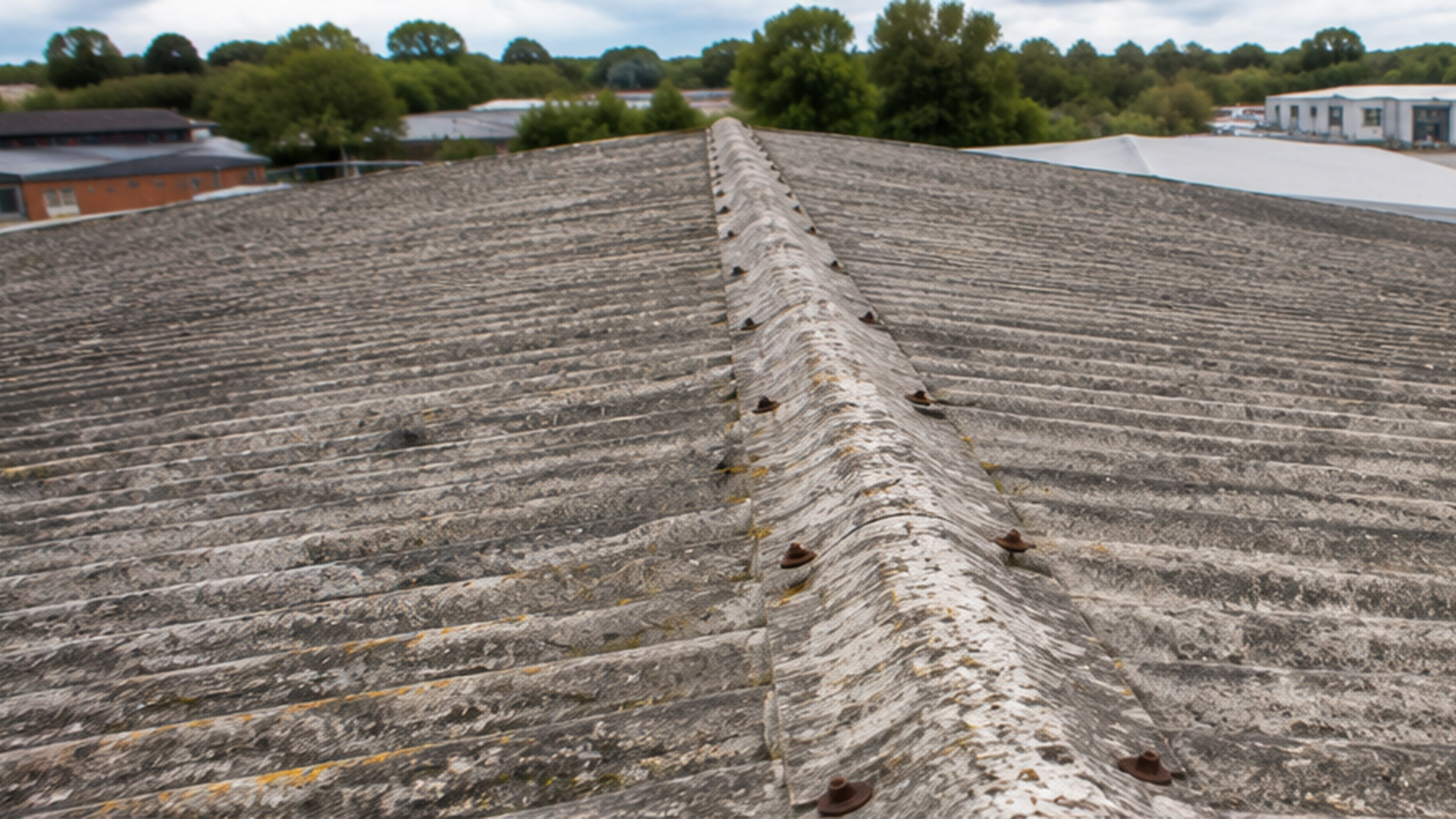
Ageing asbestos cement sheets can become increasingly weathered, porous and vulnerable around fixings, laps, rooflights and previously repaired areas. Moss, surface deposits and local damage can further complicate maintenance, while unrestricted access or unsuitable cleaning methods may disturb the fragile material.
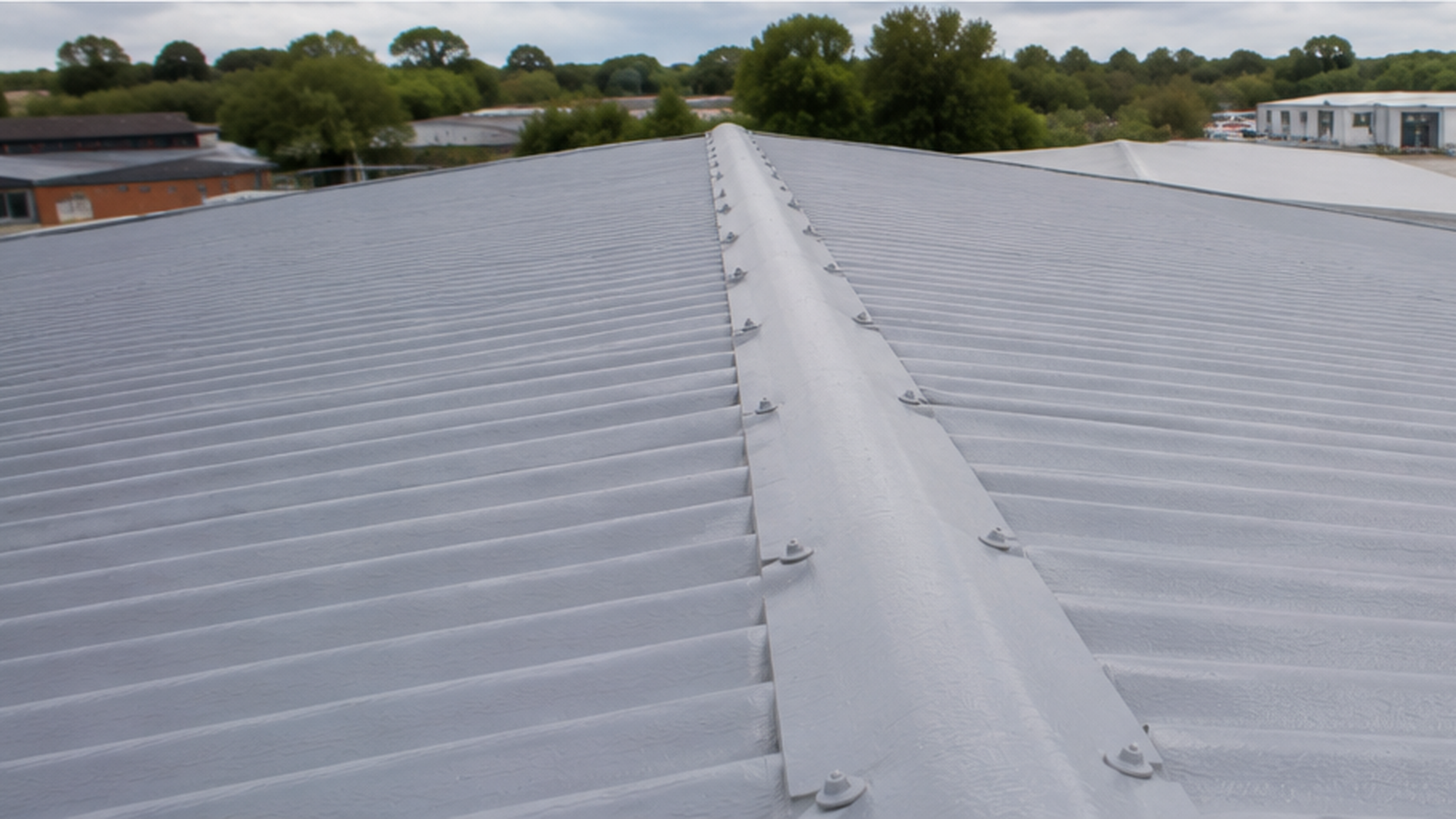
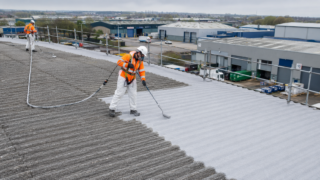
Zenith Roofing assesses whether the sheets remain suitable for retention before undertaking controlled cleaning, repairs and preparation. A compatible encapsulation system is then applied continuously across the agreed roof area and detailed interfaces, producing a sealed protective finish while the asbestos cement remains recorded and managed in situ.
Encapsulation is appropriate only where the existing roof sheets can provide a viable base for the proposed system.
Zenith Roofing develops the preparation, repair and coating scope around the asbestos survey information, sheet condition, roof profile, previous treatments and defects identified during the assessment. The result is a complete refurbishment process rather than paint applied directly over a weathered roof.
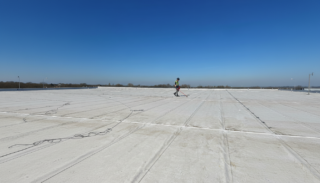
A full-surface encapsulation system seals and protects suitable asbestos cement sheets across the agreed roof area.
The roof is prepared using controlled methods before compatible primers and protective coating layers are applied through the sheet profiles. The completed system binds the weathered surface, reduces further exposure of the cement matrix and provides a more consistent external finish.
Colour and coating build-up are selected around the existing substrate, roof exposure and specified refurbishment outcome.
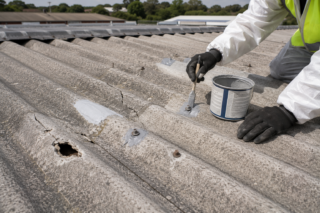
Cracks, small holes, failed previous repairs and deteriorated fixing details must be addressed before the main coating is installed.
Zenith Roofing treats repairable defects using methods compatible with the asbestos cement and selected encapsulation system. Fixings, washers and local penetrations can also be sealed or renewed where they form part of the agreed roof works.
Sheets that are fractured, severely deteriorated or incapable of supporting the coating are identified separately rather than concealed beneath the encapsulation system.
The effectiveness of an encapsulated roof depends on continuity around the details interrupting the main sheet areas.
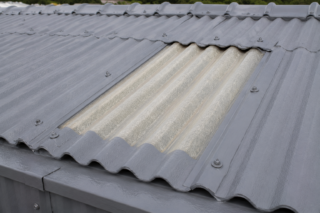
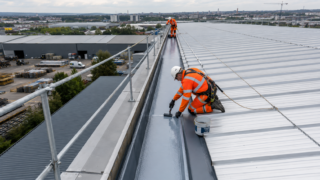
Zenith Roofing prepares and seals suitable side laps, end laps, rooflight junctions, ridge details, eaves and penetrations before continuing the protective system through the surrounding profiles.
Defective sealants and previous repairs are addressed where required so that the encapsulation is not left surrounded by unresolved potential entry points.


Every site presents different technical, operational and programme requirements. We start by understanding the environment, the existing condition and the outcome you need, before recommending a flooring or roofing solution that can be delivered safely, efficiently and with lasting performance.
Asbestos roof encapsulation involves more than applying a protective topcoat. The roof must first be assessed, cleaned, repaired and detailed so that the completed system forms a consistent, durable finish across the sheets and their vulnerable interfaces.
Zenith Roofing manages the sequence from initial roof assessment and access planning through to controlled preparation, local repairs, coating application and handover. This provides a coordinated refurbishment package for suitable roofs that do not yet require wholesale replacement.
The first stage is to determine whether the existing asbestos cement sheets remain suitable for retention.
Zenith Roofing assesses surface weathering, cracks, fixing details, previous repairs, laps and areas of local damage. This allows the proposal to distinguish between sheets that can be repaired and coated, isolated sections requiring replacement and roofs where a broader renewal strategy should be considered.
The objective is to specify encapsulation where it offers a credible extension to roof life—not to coat material that can no longer provide a reliable substrate.
Weathering, moss, dirt and loosely bonded previous coatings can prevent a new system from adhering correctly.
Zenith Roofing prepares the roof using controlled methods appropriate to asbestos cement, removing surface contamination without relying on unnecessarily aggressive treatment. The roof is then inspected again so that defects exposed during cleaning can be incorporated into the repair scope before coating begins.
Thorough preparation helps the encapsulation system bond consistently across the full sheet profile rather than only appearing sound at completion.
Asbestos cement roofs contain corrugations, fixings, overlaps and numerous changes in direction that must all receive the required coating coverage.
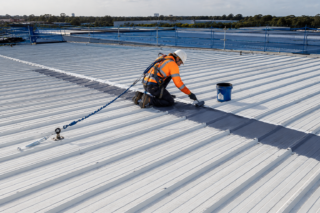
Zenith Roofing applies the system through the complete profile rather than concentrating solely on the upper crowns of the sheets. Repairs and detailed interfaces are completed first, followed by the specified primer and encapsulation coats across the open roof.
Application rates and coverage are controlled so that thin or missed areas do not remain around laps, fasteners and restricted details.
Cracked sheets, small holes, failed sealants and deteriorated fixing details must be addressed before the wider roof is encapsulated.
Repairable defects are treated using materials compatible with the roof and selected coating system. Fixings, washers, laps, ridges, eaves and rooflight junctions can also be included where they form part of the agreed refurbishment works.
This prevents the new finish from being installed over local weaknesses that would otherwise remain potential routes for water ingress.
Corrugated asbestos cement roofing contains crowns, troughs, overlaps and restricted areas where incomplete coating coverage can easily occur.
Zenith Roofing applies the specified primer and protective coats through the complete profile, including around fasteners and repaired details. Coverage rates and working areas are controlled so that the finished system provides a uniform protective envelope rather than a cosmetic surface treatment.
The completed roof can also provide a cleaner and more consistent external appearance across prominent commercial buildings.
Asbestos roof encapsulation is the controlled refurbishment of suitable asbestos cement sheets using a compatible protective coating system.
The roof is assessed, cleaned and repaired before primers and encapsulation coats are applied across the full sheet profile. The treatment seals the weathered surface, improves weather protection and can extend the usable life of the existing roof without immediate wholesale replacement.
No. The sheets must retain sufficient strength and integrity to provide a reliable substrate for the coating system.
Weathered but serviceable roofs can often be repaired and encapsulated. Sheets with extensive cracking, severe deterioration, perforation or significant structural damage may require local replacement or a different roof-renewal approach. Zenith Roofing assesses the condition before recommending the scope.
Encapsulation can restore waterproof protection where leaks are associated with weathered sheets, small repairable defects, fixings, laps or failed surface treatments included within the works.
The source of water ingress must first be identified. Defective rooflights, gutters, flashings or adjoining roof details may require separate repairs, while extensively damaged sheets cannot be made reliable by coating alone.
The roof is prepared using controlled methods appropriate to asbestos cement. Dirt, moss and loosely bonded material are removed so the new system can achieve a consistent bond.
Repairable cracks, small holes, failed sealants and defective fixing details are then treated before the main coating is applied. Laps, ridges, eaves, penetrations and rooflight junctions can also be incorporated where they form part of the agreed refurbishment scope.
No. The asbestos cement sheets remain in place beneath the protective coating.
Encapsulation is intended to manage and protect a suitable retained roof rather than remove it. The treated sheets should therefore continue to be identified within the building’s asbestos records so that future contractors understand what remains present.
In many cases, yes. The work is generally carried out externally and can often be phased around roof sections, plant and normal building activity.
The programme depends on roof access, sheet condition, repair requirements, weather and coating cure times. Zenith Roofing plans the access, preparation and application sequence to reduce disruption while maintaining the controls required for work on a fragile asbestos cement roof.
Cost depends on the roof area, sheet condition, access requirements, extent of cleaning and repairs, number of rooflights and complexity of the detailed interfaces.
Local sheet replacement, fixing treatment, failed previous coatings, fragile-roof access measures and restricted working conditions can all affect the quotation. Providing the asbestos survey, roof plans, photographs, leak history and access information will help Zenith Roofing establish an initial scope before the roof assessment.

Zenith Roofing installs liquid-applied waterproofing systems for commercial and industrial flat and low-pitched roofs. The seamless, fully bonded membrane accommodates complex details and natural building movement, helping prevent water ingress, extend roof service life and minimise disruption, often without a full roof replacement where the existing substrate is suitable.
Zenith Roofing provides cut edge corrosion treatment for profiled metal roofs and cladding where exposed sheet edges have begun to deteriorate. Affected areas are prepared, stabilised and sealed using specialist protective systems to prevent further corrosion, reduce the risk of water ingress and extend roof service life without unnecessary sheet replacement.
Zenith Roofing applies specialist encapsulation systems to seal and protect ageing asbestos cement roofs without the disruption of full removal. Where the existing roof is suitable, this controlled refurbishment process helps reduce the risk of fibre release, restore weather protection and extend its serviceable life.
Zenith Roofing carries out detailed roof condition surveys and diagnostic testing for commercial and industrial properties. We identify defects, investigate areas of concern and assess the roof’s remaining service life, providing the information needed to plan maintenance, repairs or refurbishment with confidence.
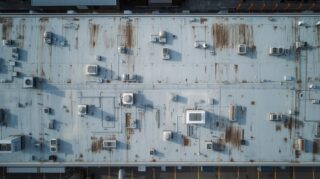
Zenith Roofing provides safe and efficient drone roof surveys for commercial and industrial buildings. High-resolution aerial imagery allows us to inspect large or difficult-to-access roof areas, identify visible defects and provide clear evidence to support maintenance, repair and refurbishment planning.
Zenith Roofing installs seamless gutter lining systems that waterproof leaking or deteriorated gutters without the cost and disruption of full replacement. Our durable lining solutions seal vulnerable joints and complex details, helping prevent water ingress and extend the life of commercial roof drainage systems.
Tell us a little about your project and the service you require. A member of the Zenith team will review your enquiry and contact you to discuss the next steps.
© 2026 Zenith Group. All rights reserved.
Zenith Flooring Limited and Zenith Roofing Services Limited are part of the Zenith Group.