CUT EDGE CORROSION TREATMENT FOR PROFILED METAL ROOFS

Zenith Roofing treats corrosion at roof-sheet ends, overlaps and vulnerable metal edges across commercial buildings throughout the UK.

Our cut edge protection service removes corrosion and failed coating, reseals affected lap joints and reinstates a durable protective finish. Early treatment can extend the service life of suitable profiled metal roofing without automatically replacing otherwise serviceable sheets.

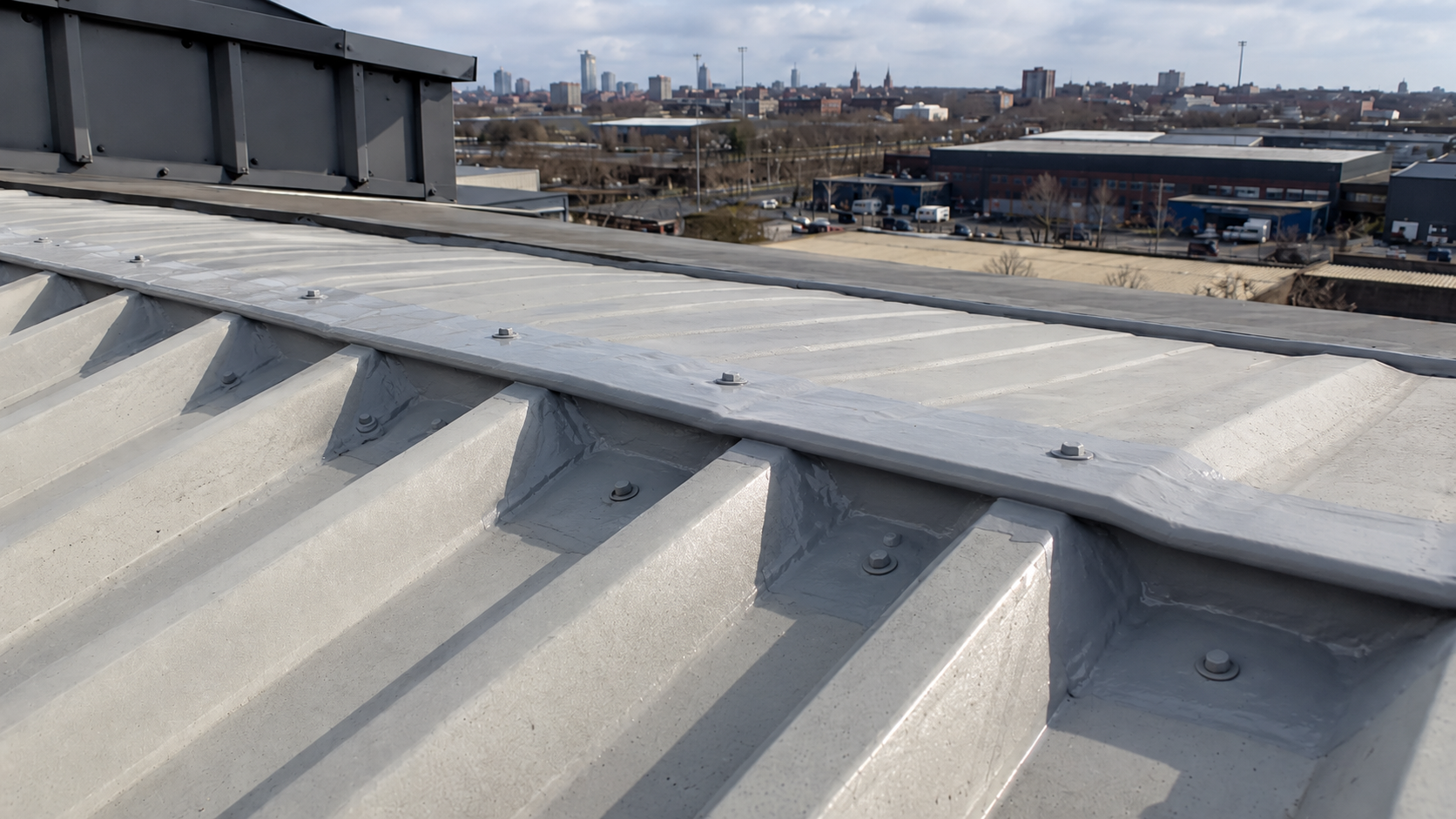
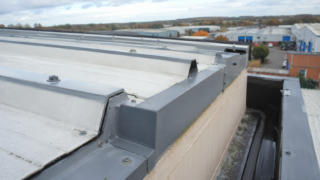
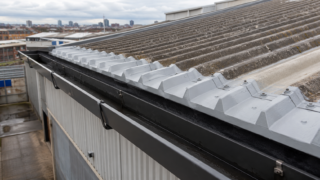
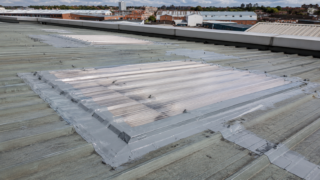
cut-edge-corrosion-treatment-beforecut-edge-corrosion-treatment-after

STOPPING CORROSION BEFORE ROOF SHEETS NEED REPLACING

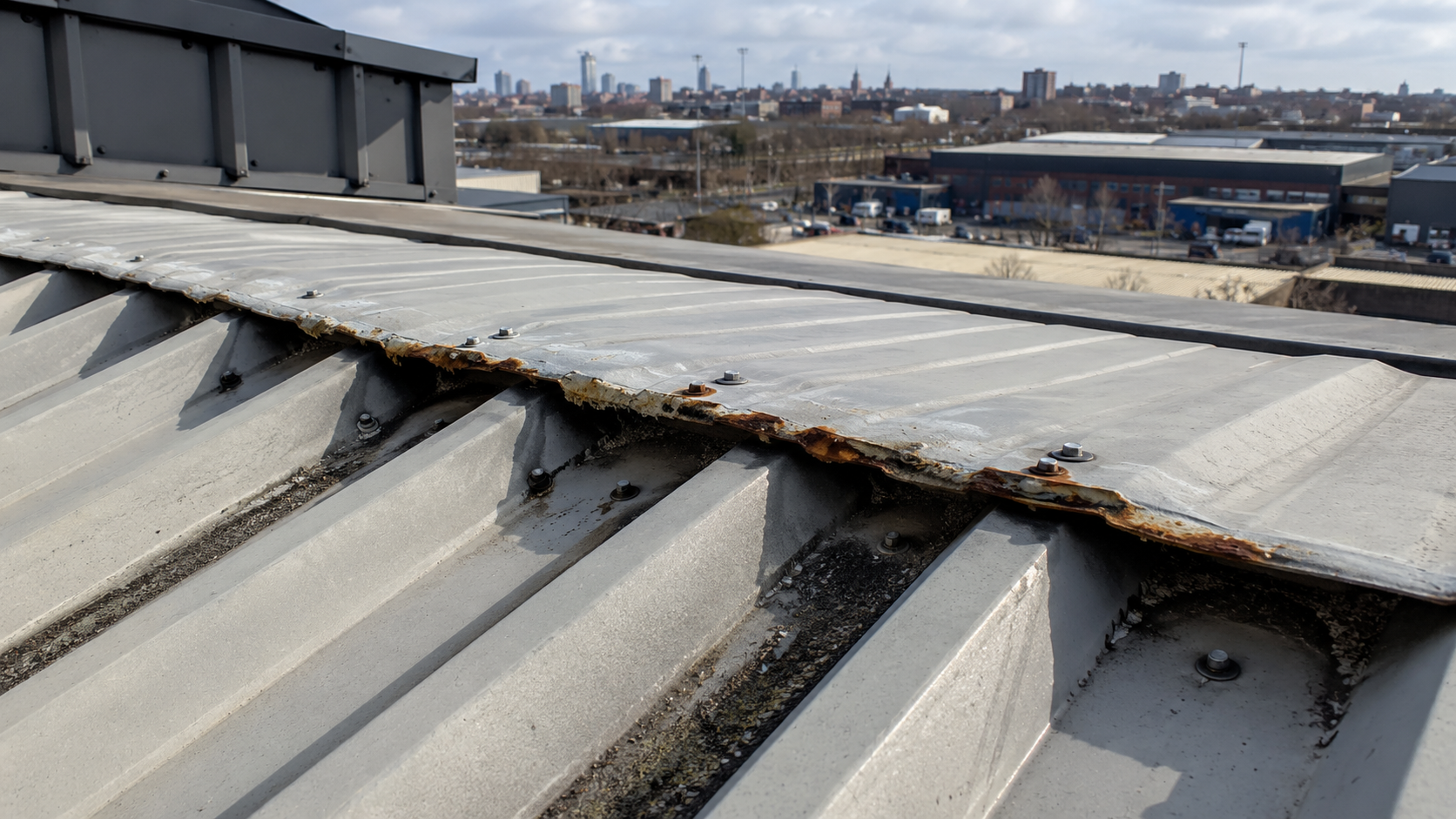
Profiled metal sheets are protected by a factory-applied coating, but cut ends and overlaps remain particularly vulnerable. As the coating begins to peel back, exposed steel corrodes and water retained within the lap can allow deterioration to progress beneath the upper sheet, where its true extent may be less visible.

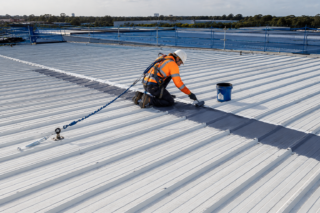
Zenith Roofing assesses the affected sheets before removing rust, loose coating and defective sealants. The remaining finish is prepared back to a sound edge, exposed metal is treated and the overlap is resealed before compatible protective coatings are applied across the full detail.

METAL ROOF CORROSION TREATMENT

CUT EDGE PROTECTION FOR END LAPS, EAVES & ROOF-SHEET DETAILS.

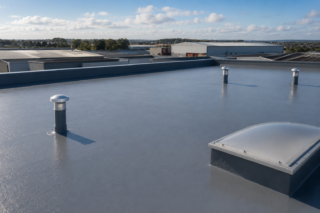
Cut edge corrosion does not occur in one standard location. It may develop at the horizontal end laps between adjoining roof sheets, along the bottom edges above gutters or around rooflights and other profiled-metal details.

Zenith Roofing establishes where corrosion has developed and how far it has travelled before confirming the preparation, sealing and coating requirements for each area.

Working alongside leading brands

WORK WITH ZENITH

Ready to move your project forward?

Every site presents different technical, operational and programme requirements. We start by understanding the environment, the existing condition and the outcome you need, before recommending a flooring or roofing solution that can be delivered safely, efficiently and with lasting performance.

EFFECTIVE CUT EDGE TREATMENT DEPENDS ON HOW FAR THE CORROSION HAS SPREAD

A narrow rust line does not necessarily show the complete condition of the lap. Corrosion may have migrated beneath the remaining coating or developed on the reverse side of the upper sheet.

Zenith Roofing examines the roof-sheet ends, overlaps, coating adhesion and nearby details before establishing the treatment width. This ensures that preparation extends back to material capable of supporting the replacement coating.

SURVEYING THE LAPS BEFORE WORK BEGINS

The roof survey identifies where coating peel, rust staining, failed sealant and previous repairs are present. Particular attention is given to horizontal end laps, gutter overhangs, rooflights and areas subject to repeated water retention.

The condition of the surrounding sheet is also considered. Cut edge treatment is intended to preserve serviceable metal roofing; it should not be used to disguise extensive perforation, severe loss of section or sheets that can no longer provide a sound base.

The resulting scope can distinguish between preventative treatment, established corrosion repair and areas requiring partial component replacement.

PREPARATION BACK TO SOUND METAL & COATING

Protective coatings cannot perform reliably over loose rust, peeling plastisol or poorly bonded previous treatments.

Zenith mechanically removes corrosion and unsound coating before feathering the remaining finish to a stable edge. The prepared area is cleaned so that dust, swarf, staining and other contamination do not remain beneath the new system.

Preparation continues across the full width required by the selected specification—not simply along the most visible edge of the rust line. Specialist cut edge systems similarly require corrosion removal, feathering of firmly adhered coating and complete coverage of exposed metal.

RESEALING THE OVERLAP

Corrosion treatment and lap sealing perform related but distinct functions.

The coating protects the prepared metal, while compatible sealant closes relevant gaps within the overlap and helps prevent water from continuing to collect against the cut edge. Existing failed or detached sealants are removed where necessary before a continuous replacement detail is formed.

The finished treatment extends across the lap and around the leading edge so that the vulnerable section is encapsulated rather than left exposed from below.

A CONTROLLED COATING BUILD-UP

Cut edge protection is installed as a defined coating system rather than a single cosmetic coat.

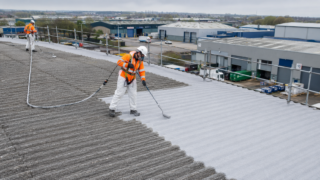
Prepared metal receives the specified base treatment before the weathering layer is applied at the required width and film thickness. Coats are kept continuous through sheet profiles and overlaps, with masking and controlled application used to produce an orderly finish across the roof.

The system must also remain compatible with movement, weather exposure and the existing factory coating surrounding the repair.

Cut edge corrosion occurs when the protective factory coating begins to fail at the exposed ends of profiled metal roof sheets.

Moisture can then reach the steel beneath, causing rust to spread back under the remaining coating. It is commonly found at horizontal sheet overlaps, eaves above gutters, rooflight junctions and other exposed metal edges.

Yes, where the surrounding metal remains sound and the corrosion has not caused significant perforation or loss of section.

Zenith Roofing removes rust and failed coating, prepares the remaining surface back to a stable edge, reseals the lap where required and applies a compatible protective coating system. Sheets that are extensively weakened or perforated may require local replacement instead.

Cut edge treatment is a defined preparation, sealing and coating process rather than the application of paint over visible rust.

Loose corrosion and defective coating must be removed before the remaining finish is feathered back to a sound edge. Exposed metal is then protected, relevant overlaps are resealed and the coating is continued across the complete affected detail.

Painting directly over corrosion is unlikely to provide a reliable repair.

The most common locations are horizontal end laps where two roof sheets overlap and the lower sheet edges above gutters.

It can also appear around rooflights, flashings, penetrations and local changes between metal components. Water retention, failed sealants, coating damage and accumulated debris can accelerate deterioration in these areas.

A roof survey helps establish whether the defect is isolated or repeated across multiple elevations and roof sections.

Localised treatment may be suitable where corrosion is limited and the surrounding roof remains in good condition.

However, the preparation area often needs to extend beyond the visible rust because deterioration may have travelled beneath the remaining coating or developed within the overlap. Treating only individual rust spots can leave adjacent weak material untouched.

Zenith Roofing establishes the required treatment width after inspecting the sheet edges and coating adhesion.

Service life depends on the existing sheet condition, quality of preparation, selected coating system, roof exposure and future maintenance.

A properly installed treatment can extend the usable life of suitable profiled metal roofing, but it does not reverse severe corrosion or compensate for unresolved drainage, sealant or sheet defects. Periodic roof inspections help identify new coating damage before corrosion becomes established again.

Cost depends on the length and location of the affected laps, the extent of corrosion, roof access and the amount of preparation required.

Eaves edges, rooflights, failed sealants, difficult profiles and areas requiring sheet replacement can all affect the quotation. Providing roof photographs, approximate dimensions, access information and any previous survey findings will help Zenith Roofing establish an initial scope before completing the roof assessment.

ALL ROOFING SERVICES

GET STARTED

Tell us a little about your project and the service you require. A member of the Zenith team will review your enquiry and contact you to discuss the next steps.