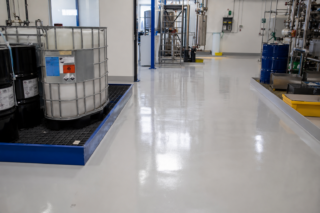
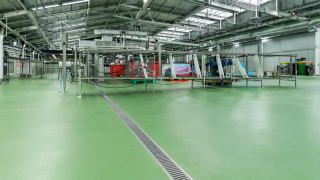
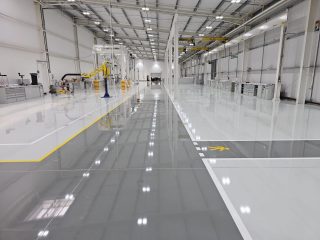
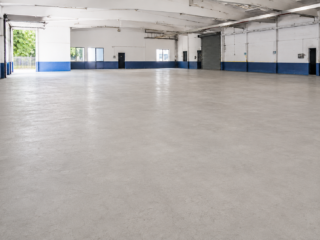
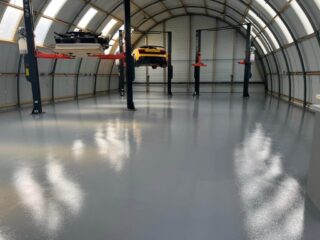
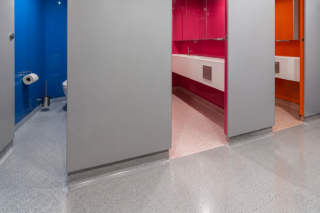
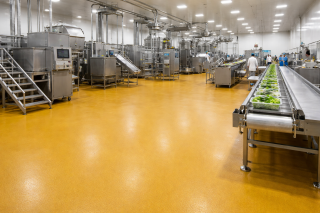
Zenith Flooring installs seamless resin floors and protective bund linings for commercial and industrial environments exposed to chemicals, process liquids and demanding cleaning regimes.
Each system is specified around the substances present, their concentration and temperature, the likely duration of contact, traffic conditions and the substrate beneath. Our scope can include coating removal, concrete repairs, mechanical preparation, floor and wall linings, upstands, sumps and detailed containment interfaces.

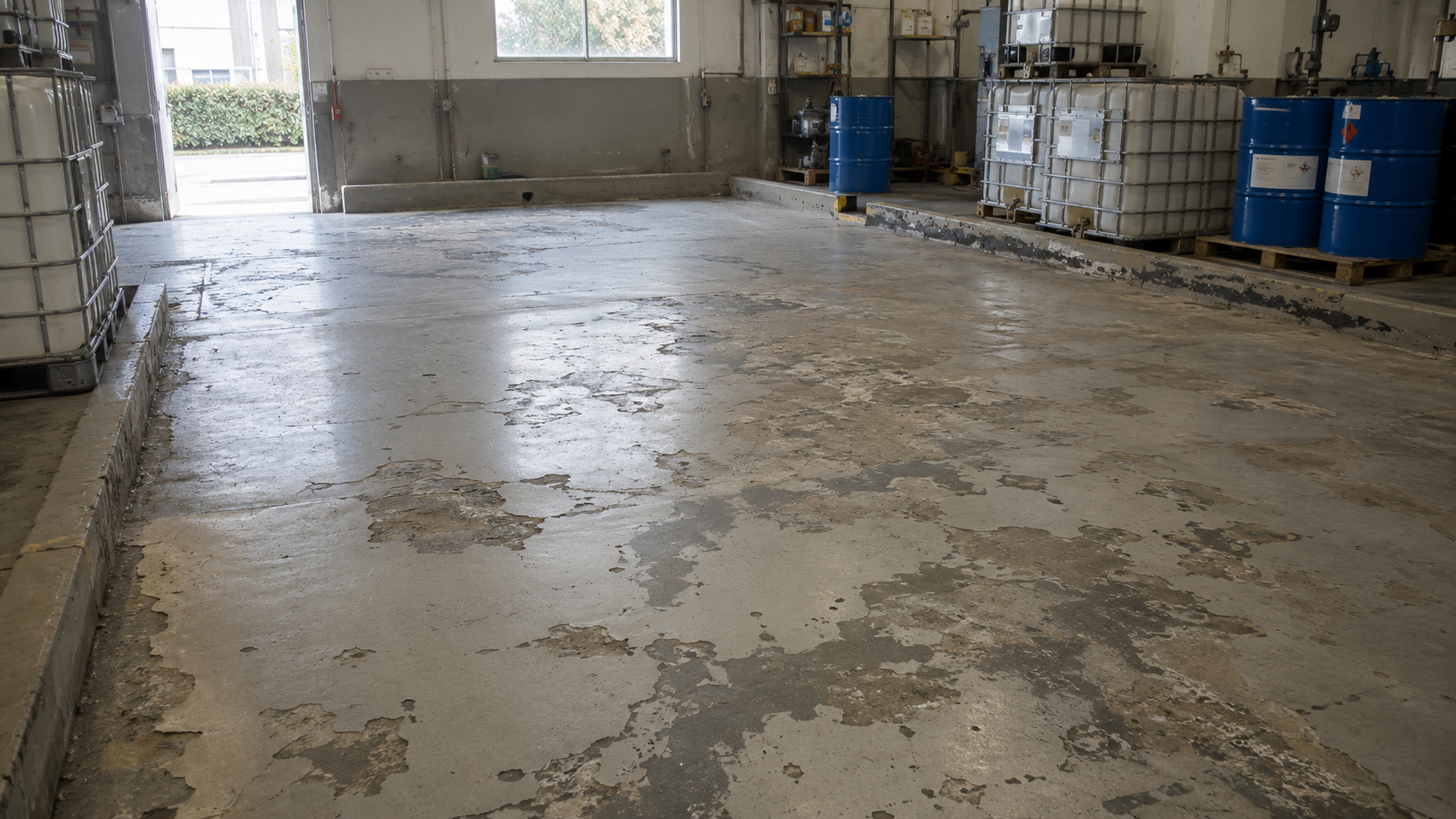
Cracked coatings, exposed concrete, failed joints and damaged upstands can allow chemical spillages to attack the substrate or escape through weak points in a containment area. Previous repairs may also introduce incompatible materials that respond differently when exposed to the substances stored or processed nearby.
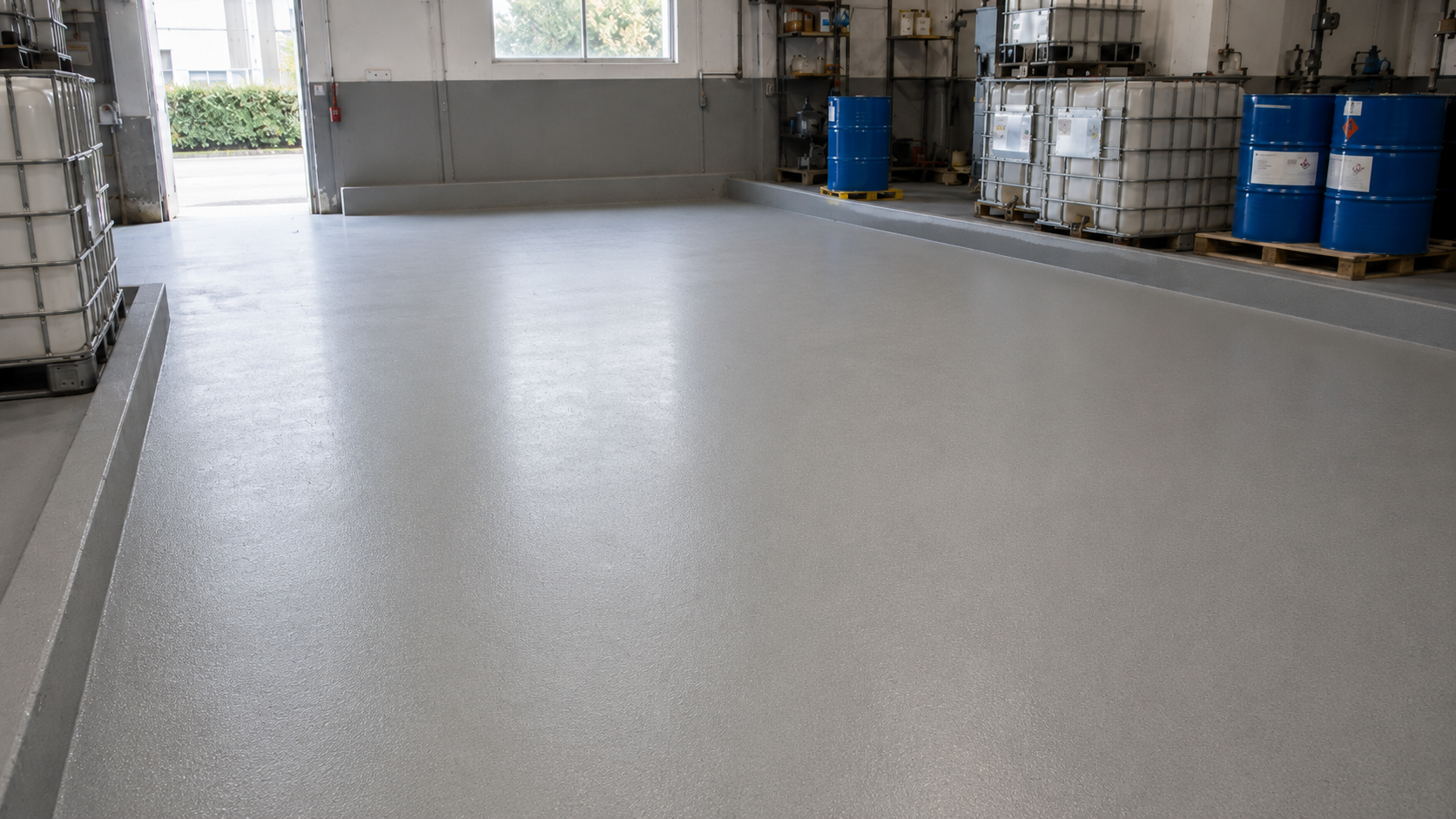
Zenith Flooring removes unsuitable material, repairs the prepared substrate and installs the specified chemical-resistant system continuously across the required horizontal and vertical surfaces. The completed finish is developed around the agreed chemical duty, containment design, traffic and cleaning requirements rather than relying on a generic “chemical-resistant” coating.
Different resin chemistries provide different levels of resistance to acids, alkalis, solvents, oils, disinfectants and process materials.
Zenith Flooring works from the chemical and operating information supplied for the project to select an appropriate floor or lining system. The required build-up may range from a seamless epoxy finish for intermittent exposure to a reinforced vinyl ester lining for aggressive chemical or thermal duty.
Chemical-resistant epoxy systems provide a seamless and impermeable finish for suitable process rooms, storage areas, laboratories, workshops and other spaces exposed to identified chemicals or cleaning agents.
Smooth or textured systems can be selected around pedestrian and vehicle traffic, spill risk, cleaning and slip resistance. The coating build-up is developed against the specific exposure schedule because resistance to one substance does not imply equal resistance to every chemical or concentration.
Compatible epoxy systems are available for both flooring and vertical bund surfaces, allowing floors, kerbs and upstands to form a coordinated installation.
Where the floor encounters heavier traffic, impact, thermal change or more aggressive chemical attack, a substantial resin screed may be required instead of a thin coating.
Polyurethane cement systems can suit demanding wet-process and cleaning environments, while specialist screeds provide enhanced resistance for selected acids, alkalis, solvents and higher-temperature exposure. Horizontal, sloping and compatible vertical systems can be combined where the protection must continue beyond the open floor.
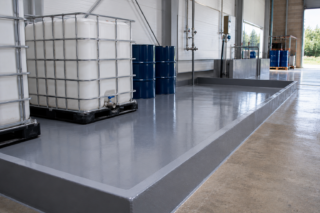
Bunds and secondary-containment areas require a continuous, impermeable lining capable of retaining the substances identified within the project design.
Zenith can prepare and line concrete floors, walls, kerbs, plinths, sumps, trenches and other agreed details using compatible epoxy or reinforced vinyl ester systems. Existing cracks, joints and damaged surfaces are treated before the lining is continued through the relevant horizontal and vertical interfaces.
The required bund capacity, structural design and regulatory compliance remain matters for the appointed designer and dutyholders. Zenith installs the lining to the agreed containment specification and chemical-performance criteria. Environment Agency and HSE guidance recognises bunds and other secondary-containment measures as important controls where harmful or hazardous liquids are stored


Every site presents different technical, operational and programme requirements. We start by understanding the environment, the existing condition and the outcome you need, before recommending a flooring or roofing solution that can be delivered safely, efficiently and with lasting performance.
“Chemical resistant” is not a universal performance category. A system may tolerate occasional contact with a diluted cleaning agent while remaining unsuitable for prolonged exposure to a concentrated acid or hot solvent.
Zenith Flooring develops the proposed system around the information supplied for the process, storage area or containment zone. Manufacturer resistance data and project-specific technical guidance can then be reviewed before the final resin chemistry and build-up are confirmed.
The substances present should be identified as accurately as possible before the flooring system is specified. Relevant information can include:
The same resin can respond differently as concentration, temperature and contact time change. Chemical resistance should therefore be checked against the actual duty rather than inferred from a broad product category. Manufacturers distinguish systems specifically by chemical and temperature exposure, including epoxy and reinforced polyurethane screed options.
Containment performance is often determined at joints, corners, penetrations and changes in orientation rather than across the centre of the floor.
Zenith incorporates the agreed details around wall junctions, kerbs, equipment bases, drains, sumps, channels and pipe penetrations into the preparation and lining scope. Compatible coves or reinforced transitions can be formed where sharp internal corners would otherwise interrupt the installation.
The selected system may use different application grades on horizontal and vertical surfaces while maintaining continuity between them.
An impermeable lining will only remain reliable while it remains bonded to a sound substrate.
Zenith removes weak coatings, contamination and unsound concrete before repairing cracks, spalling, damaged edges and previous defective repairs. Concrete and compatible metal surfaces are then mechanically prepared to create the profile required by the selected primer and lining system.
Active structural movement, significant corrosion or defects outside the flooring specification must be referred to the appointed engineer. Applying a chemically resistant material over unresolved substrate failure does not create dependable containment.
A chemical-resistant floor may also need to support pedestrians, vehicles and cleaning under wet or contaminated conditions.
Graded aggregate can be incorporated to create a controlled slip-resistant texture, but the profile must remain compatible with spill recovery, washing and decontamination. Heavily textured finishes may provide greater traction while requiring more intensive cleaning than a smooth lining.
Zenith considers traffic, gradients, expected liquids and maintenance procedures alongside chemical resistance when selecting the final finish. Correctly specified resin flooring can combine chemical protection with slip resistance in contaminated environments.
The appropriate flooring depends on the substances present, their concentration and temperature, how long they may remain on the surface and the mechanical demands of the area.
Chemical-resistant epoxy systems may suit many process, storage, laboratory and cleaning environments. Heavier resin screeds can provide greater protection where chemical exposure is combined with impact, abrasion, wheeled traffic or thermal change. The system should always be checked against the actual chemical schedule rather than selected from a general “chemical-resistant” description.
Zenith will typically need the names of the chemicals or products involved, their concentrations, operating and spill temperatures, likely contact duration and frequency of exposure.
It is also useful to understand whether substances may mix, how spillages are recovered or neutralised, which cleaning agents are used and what traffic the floor must withstand. This information allows the proposed resin system to be assessed against manufacturer resistance data before the final specification is confirmed.
Chemical-resistant flooring is generally designed to protect an operational floor against identified spillages, cleaning products and process exposure.
A bund lining forms part of a secondary-containment area intended to retain a release for an agreed period. It must remain continuous across the floor, walls, kerbs, corners, sumps and relevant penetrations. A floor coating that tolerates occasional chemical contact should not automatically be assumed suitable for containment duty.
Yes, provided the concrete structure is suitable for repair and can support the replacement lining.
Existing coatings, contamination and unsound material are removed before cracks, spalling, damaged corners and failed previous repairs are reinstated. The prepared concrete can then receive a compatible resin lining across the required horizontal and vertical surfaces.
Structural movement, significant corrosion or uncertainty over the bund’s capacity should be addressed by the appointed engineer or containment designer before relining begins.
Yes. Zenith can continue compatible resin systems across floors, walls, upstands, kerbs, plinths, sumps, trenches and other agreed containment details.
Corners, joints, pipe penetrations and changes between horizontal and vertical surfaces require particular attention because they can become weak points within the lining. Cove details or reinforced transitions may be incorporated where required by the selected system and project specification.
Yes. Graded aggregate can be incorporated into the resin build-up to provide additional texture in wet process areas, chemical stores and locations where spillages may affect traction.
The finish must balance grip with cleaning, spill recovery and decontamination. A heavily textured floor may improve traction but require more intensive cleaning, while a smooth lining may be more suitable in areas where containment and rapid recovery are the priorities.
Cost depends on the total area, substrate condition, chemical duty, selected resin build-up and complexity of the containment details.
Existing lining removal, contamination, concrete repairs, walls and upstands, sumps, penetrations, reinforcement, phased working and restricted shutdown periods can all affect the quotation. Providing drawings, photographs, a chemical schedule, operating temperatures and details of the required containment period will help Zenith establish an appropriate scope before the site assessment.

Zenith Flooring installs epoxy, polyurethane and polyaspartic resin flooring systems for commercial and industrial environments across the UK. Our resin coatings and screeds are specified around substrate condition, traffic, impact, chemical exposure, hygiene and curing requirements to deliver a durable, compliant floor with minimal operational disruption.
Zenith Flooring delivers commercial and industrial floor levelling using pumped cementitious screeds and specialist levelling compounds. Selected around the substrate condition, loading, finish and programme requirements, our self-smoothing, fast-drying systems create a durable, even surface for new floors, refurbishment projects or preparation ahead of further flooring installation.
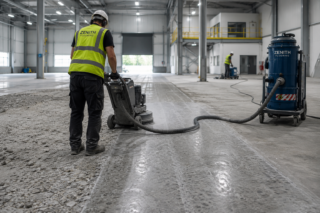
Zenith Flooring provides commercial and industrial floor preparation and concrete repair services, including diamond grinding, vacuum shot blasting, scarifying and scabbling. From removing coatings and weak surface material to repairing cracks, spalled concrete and damaged joints, we create a sound substrate for new flooring systems and restore existing floors to service.
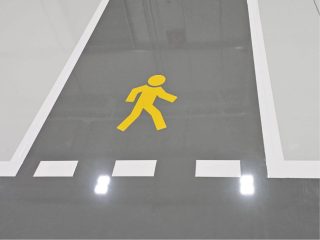
Zenith Flooring delivers durable internal and external line marking for warehouses, factories and commercial sites. From pedestrian walkways and safety zones to loading bays, traffic routes and directional markings, we create clear, hard-wearing layouts that improve site safety, organisation and operational efficiency.
Zenith Flooring installs specialist anti-slip treatments and resin systems that improve safety across commercial and industrial environments. Suitable for tiles, concrete, metal and timber, our professionally applied solutions create durable, slip-resistant surfaces for workplaces, public areas and other high-risk locations.
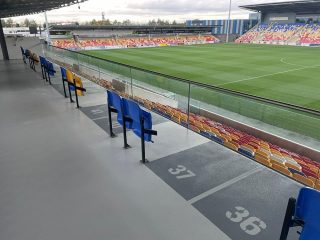
Zenith Flooring installs durable resin flooring systems for stadiums, arenas and major sporting venues. From high-traffic concourses and public areas to kitchens, toilets and plant rooms, we provide slip-resistant finishes, rapid-curing options and clear line marking designed for safety, durability and minimal disruption.
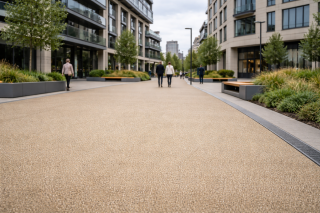
Zenith Flooring installs durable resin bound surfacing for commercial forecourts, pathways, public spaces and pedestrian areas. Combining natural aggregate with a specialist resin, these seamless surfaces provide an attractive, low-maintenance and hard-wearing finish with effective drainage for high-footfall environments.
Zenith Flooring installs electrostatic discharge flooring for environments in which uncontrolled static can affect sensitive equipment, components or processes. Our conductive and static-dissipative resin systems are specified around the project’s electrical-performance criteria, substrate condition, operational demands and wider ESD control plan.
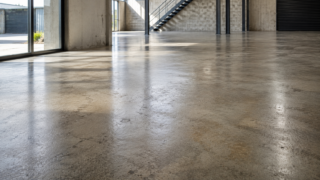
Zenith Flooring seals and dustproofs concrete floors across commercial, public and industrial buildings throughout the UK. Clear sealers, penetrating densifiers and light-duty resin floor seals can reduce surface dusting, make exposed concrete easier to maintain and improve its appearance where a heavier duty system is not required.
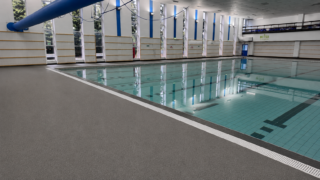
Zenith Flooring installs decorative quartz resin systems across floors and walls throughout commercial and public environments. Combining coloured quartz aggregate with a compatible resin build-up creates a durable, seamless and slip-resistant finish suited to leisure centres, pool surrounds, changing facilities and washrooms.
Zenith Flooring delivers lease-end floor removal, repair and reinstatement works across commercial and industrial properties throughout the UK. We can remove tenant-installed finishes and markings, repair the exposed concrete and reinstate the floor to the condition required for handover, reletting or refurbishment.
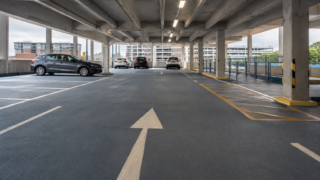
Zenith Flooring installs and refurbishes trafficable resin deck systems across multi-storey car parks, parking structures and private commercial facilities throughout the UK. Our scope can include coating removal, deck preparation, local concrete repairs, waterproof membranes, wearing surfaces and final demarcation.

Zenith Flooring installs seamless resin floors and protective bund linings for commercial and industrial environments exposed to chemicals. Our scope can include coating removal, concrete repairs, mechanical preparation, floor and wall linings, upstands, sumps and detailed containment interfaces.
Zenith Flooring installs resin flooring throughout dealerships, workshops, MOT centres, fleet facilities and vehicle-maintenance environments across the UK. From seamless customer-facing floors to hard-wearing workshop coatings. Systems are specified around environment requirements and time available for maintenance.
Zenith Flooring installs and refurbishes resin floors for stores, supermarkets, showrooms, shopping centres and wider retail developments across the UK. We coordinate floor preparation, repairs, levelling and the final resin system around fit-out programmes from customer-facing sales floors and entrances to stockrooms and service corridors.
Zenith Flooring installs hygienic resin flooring for food and drink production facilities across the UK. From wet processing to bakeries, dairies, breweries, commercial kitchens, packing halls and cold-storage environments, each floor is specified around cleaning, temperature, chemicals, traffic, drainage and the available production window.
Tell us a little about your project and the service you require. A member of the Zenith team will review your enquiry and contact you to discuss the next steps.
© 2026 Zenith Group. All rights reserved.
Zenith Flooring Limited and Zenith Roofing Services Limited are part of the Zenith Group.