CONCRETE FLOOR SEALING & DUSTPROOFING FOR EXPOSED SLABS

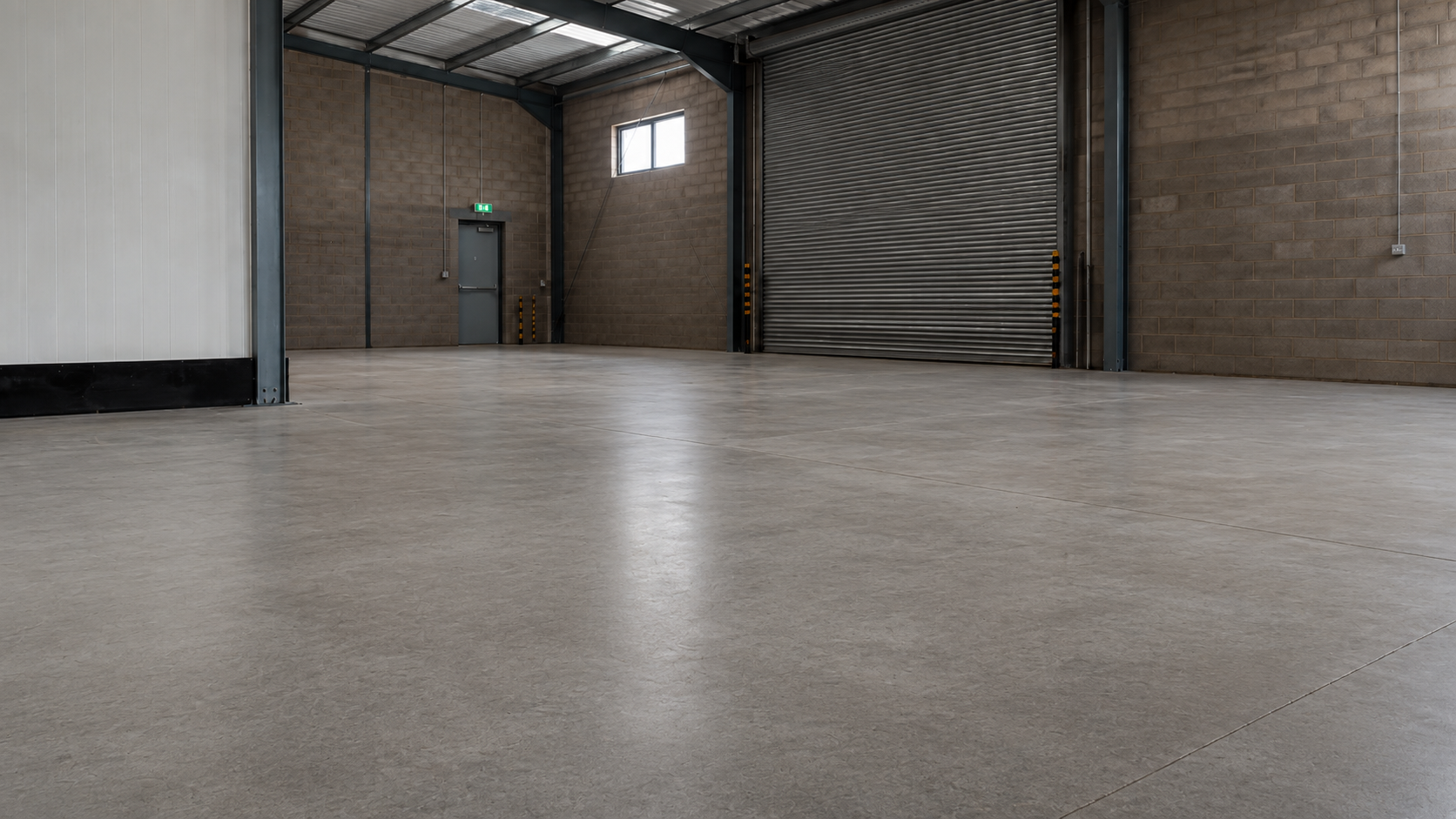
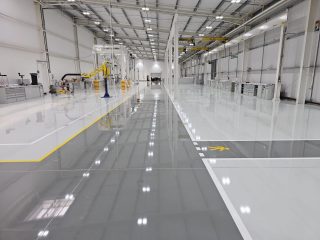
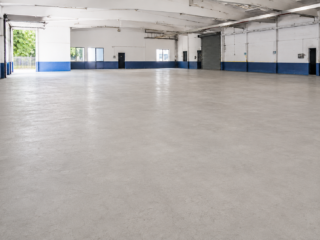
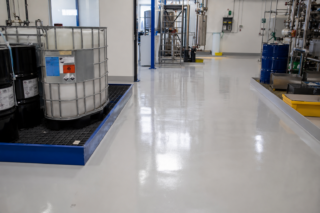
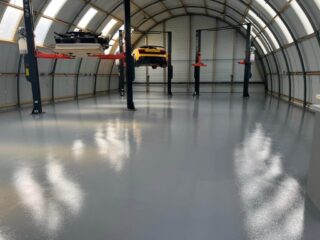
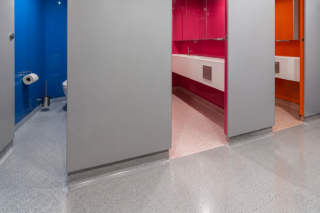
Zenith Flooring seals and dustproofs concrete floors across commercial, public and industrial buildings throughout the UK. Clear sealers, penetrating densifiers and light-duty resin floor seals can reduce surface dusting, make exposed concrete easier to maintain and improve its appearance without introducing an unnecessarily heavy flooring build-up.

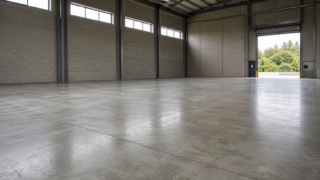
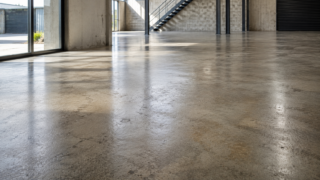
concrete-dust-sealing-beforeconcrete-dust-sealing-after

RETAIN THE CONCRETE. IMPROVE THE SURFACE.

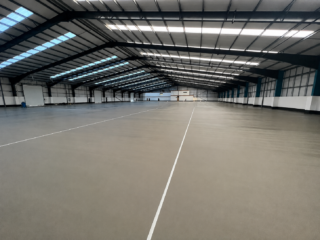
Untreated and ageing concrete can release fine surface dust, absorb spillages and become increasingly difficult to clean as traffic wears away the upper surface. The slab may remain fundamentally serviceable while no longer providing an acceptable working finish.

Zenith Flooring assesses the concrete before carrying out the necessary cleaning, mechanical preparation and local repairs. A compatible dustproofer, densifier or floor sealer can then be applied to create a cleaner, more manageable surface while preserving the practical character of exposed concrete.

SEALERS, DENSIFIERS & FLOOR SEALS

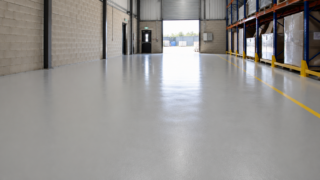
CONCRETE FLOOR SEALING SYSTEMS FOR LIGHT-DUTY PROTECTION.

Concrete floor sealing can involve a penetrating treatment, a clear surface sealer or a thin pigmented resin finish. The correct approach depends on the strength and porosity of the concrete, the required appearance, anticipated traffic and what the floor is likely to encounter in use.

Zenith Flooring establishes whether the project primarily requires dust control, easier maintenance, surface hardening, colour or a combination of these outcomes.

Working alongside leading brands

WORK WITH ZENITH

Ready to move your project forward?

Every site presents different technical, operational and programme requirements. We start by understanding the environment, the existing condition and the outcome you need, before recommending a flooring or roofing solution that can be delivered safely, efficiently and with lasting performance.

A SIMPLE FINISH STILL REQUIRES THE RIGHT FLOORING PROCESS

Concrete sealing is less complex than installing a multi-layer resin floor, but its success still depends on understanding and preparing the surface beneath it.

Zenith Flooring manages the work from assessment and local repairs through to preparation, application and handover. The proposed treatment is selected around what the slab can support and what the completed floor needs to achieve.

DUSTING IS A CONDITION, NOT A COMPLETE DIAGNOSIS

Surface dust can result from weak laitance, abrasion, ageing, previous preparation or a generally friable upper layer. Applying a sealer without understanding the condition may simply bind to material that is already becoming detached.

Zenith examines the strength and integrity of the concrete before recommending treatment. Weak material, previous coatings and contamination may need to be removed mechanically, while cracks, spalling and damaged areas can require repair before sealing begins.

Where deterioration is extensive or linked to movement, moisture or wider slab failure, a basic dustproofing treatment may not be sufficient.

PREPARATION CONTROLS BOTH BOND AND APPEARANCE

Clear and thinly applied systems reproduce the condition of the substrate beneath them. Grinding marks, repairs, stains and differences between concrete pours may remain visible after completion.

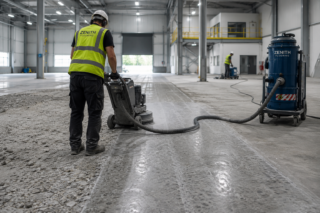
Zenith prepares the floor according to the selected system, which may involve industrial cleaning, degreasing, diamond grinding or vacuum-assisted mechanical abrasion. Laitance and weak surface material must be removed where they would interfere with penetration or adhesion. FeRFA identifies the removal of laitance and proper mechanical preparation as critical to reliable flooring and coating performance.

PENETRATING AND FILM-FORMING SYSTEMS BEHAVE DIFFERENTLY

A penetrating densifier works within suitable concrete and generally retains a more natural appearance. A film-forming sealer creates a defined layer at the surface and can provide greater colour or visual enhancement.

That difference affects more than appearance. Porosity, moisture movement, abrasion, cleaning, slip resistance and future recoating must all be considered when selecting the treatment.

Zenith assesses these conditions before recommending whether the floor should be densified, clear-sealed or given a pigmented resin seal.

KNOWING WHEN A FLOOR SEAL IS NOT ENOUGH

Concrete sealing is an economical way to improve a fundamentally serviceable slab, but it is not a substitute for every flooring system.

A thin sealer will not level an uneven floor, bridge active cracks or provide the protection of a heavy-duty resin screed. Locations exposed to intensive forklift turning, impact, aggressive chemicals, hot washdown or persistent contamination may require a more substantial build-up.

Where a floor seal is appropriate, Zenith can provide a practical improvement without over-specifying the area. Where it is not, the site assessment allows the requirement to be redirected towards a coating, self-smoothing floor or heavier-duty resin system before an unsuitable treatment is installed.

Concrete floor dustproofing is the treatment of a concrete surface to reduce the release of fine cementitious dust caused by wear, weak laitance or an untreated upper layer.

Depending on the slab, Zenith may recommend a penetrating densifier, clear sealer or thin resin floor seal. Where the concrete is extensively worn or exposed to heavier traffic, a higher-build resin coating may provide a more durable solution than dustproofing alone.

A concrete densifier penetrates suitable concrete and strengthens the surface without creating a substantial visible film. A clear or pigmented sealer forms a thin protective layer that can reduce porosity and make the floor easier to maintain.

A higher-build resin coating creates a thicker, more protective surface above the concrete. It is generally better suited to areas exposed to frequent vehicle movement, abrasion, spillages or more demanding cleaning.

Only where the remaining concrete is sound enough to support the treatment.

Weak laitance, loose material, contamination and failed previous coatings must be removed before sealing. Cracks, spalling and local damage may also require repair. If deterioration is widespread, Zenith may recommend mechanical preparation followed by a high-build coating or resin flooring system rather than applying a thin seal over an unreliable substrate.

A floor sealer can reduce absorption and improve resistance to light wear, but it does not provide the same protection as a high-build resin system.

Workshops, loading areas, vehicle routes and operational spaces exposed to repeated spillages, turning wheels or aggressive chemicals may require a thicker epoxy, polyurethane or resin-screed build-up. The site assessment establishes whether sealing is proportionate or whether a more robust system would offer better long-term value.

Yes, but a clear sealer will normally retain the natural variation, repairs, staining and construction marks already present in the concrete.

A pigmented floor seal can provide a more consistent colour, although thin systems may still reproduce surface irregularities beneath them. Where a more uniform or higher-quality finish is required, floor levelling and a self-smoothing or high-build resin system may be more appropriate.

Service life depends on the concrete condition, preparation, selected treatment, traffic, cleaning and exposure to contamination.

A densifier or light-duty seal can perform well in appropriate service areas, stores and plant spaces. However, frequent forklift turning, impact, chemicals or intensive cleaning can wear a thin system more quickly. Zenith will recommend a heavier resin build-up where the expected use is likely to exceed the practical limits of a sealer.

Cost depends on the floor area, slab condition, preparation requirements, repairs and whether the finish is penetrating, clear or pigmented.

Concrete sealing is usually less expensive than a multi-layer resin floor, but the lowest initial cost is not always the most economical specification. Where repeated recoating or premature wear is likely, a higher-build resin coating may provide a longer service life and reduce future disruption. Photographs, floor areas and details of traffic and contamination will help Zenith identify the most appropriate option before the site assessment.

ALL ZENITH FLOORING SERVICES

GET STARTED

Tell us a little about your project and the service you require. A member of the Zenith team will review your enquiry and contact you to discuss the next steps.