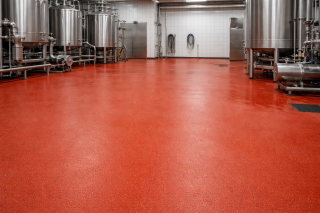
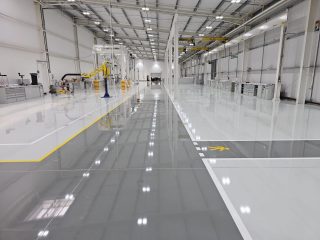
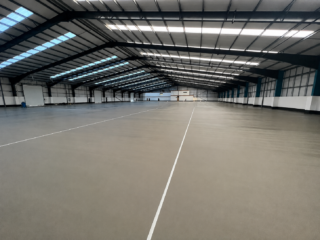
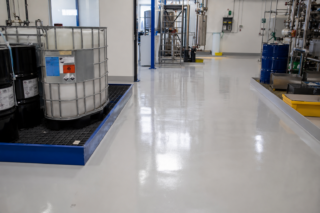
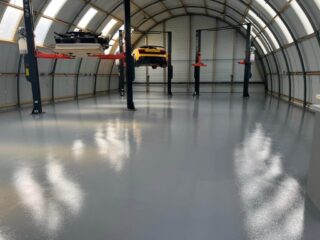
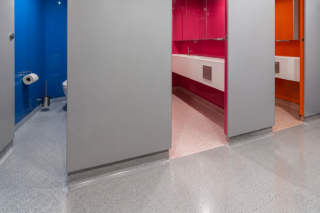
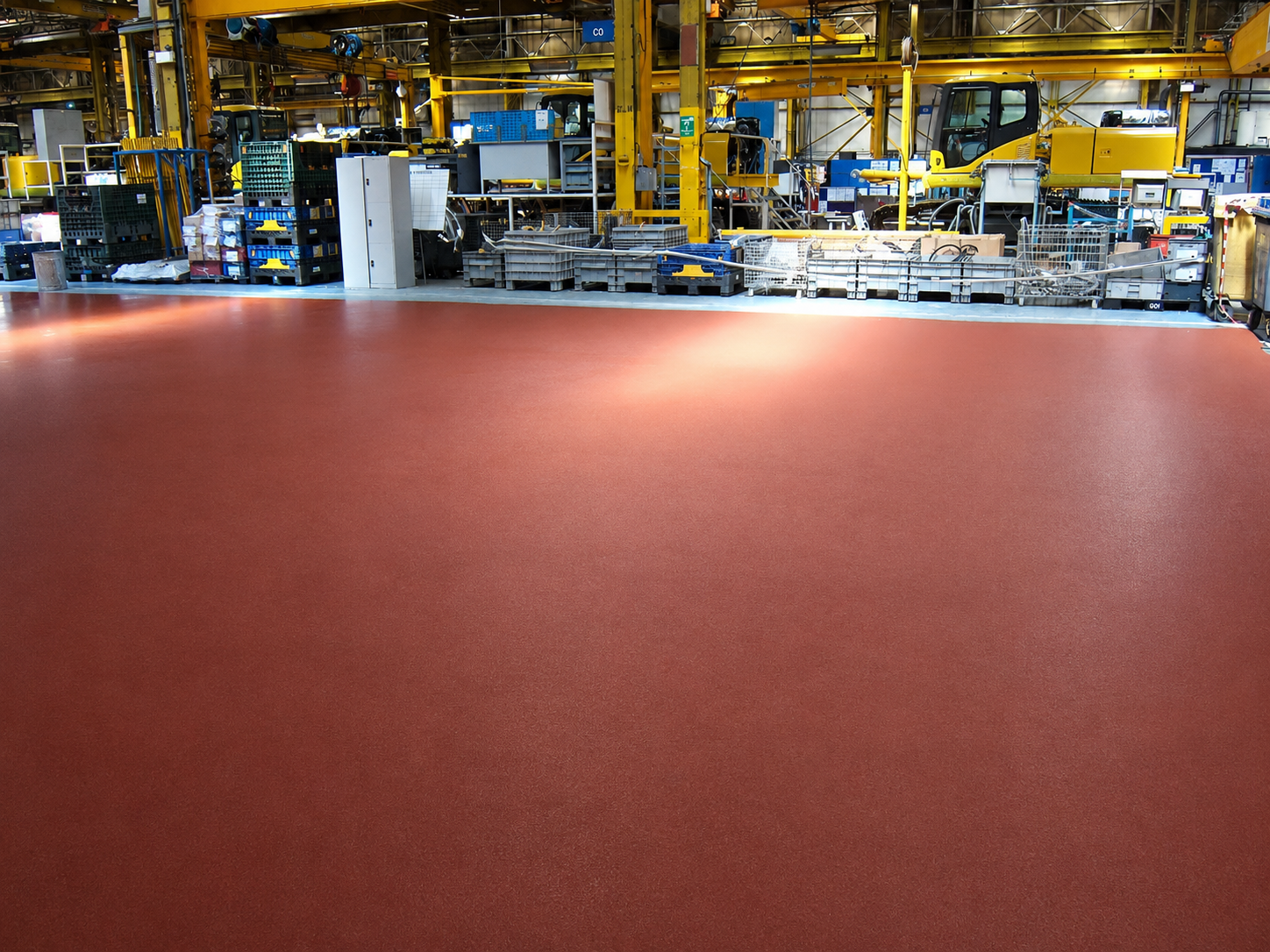
Zenith Flooring installs hygienic resin flooring for food and drink production facilities across the UK. From wet processing and high-care areas to bakeries, dairies, breweries, commercial kitchens, packing halls and cold-storage environments, each floor is specified around cleaning, temperature, chemicals, traffic, drainage and the available production window.

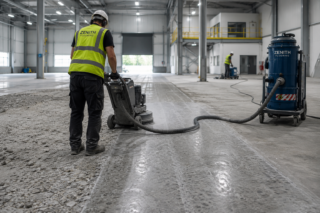
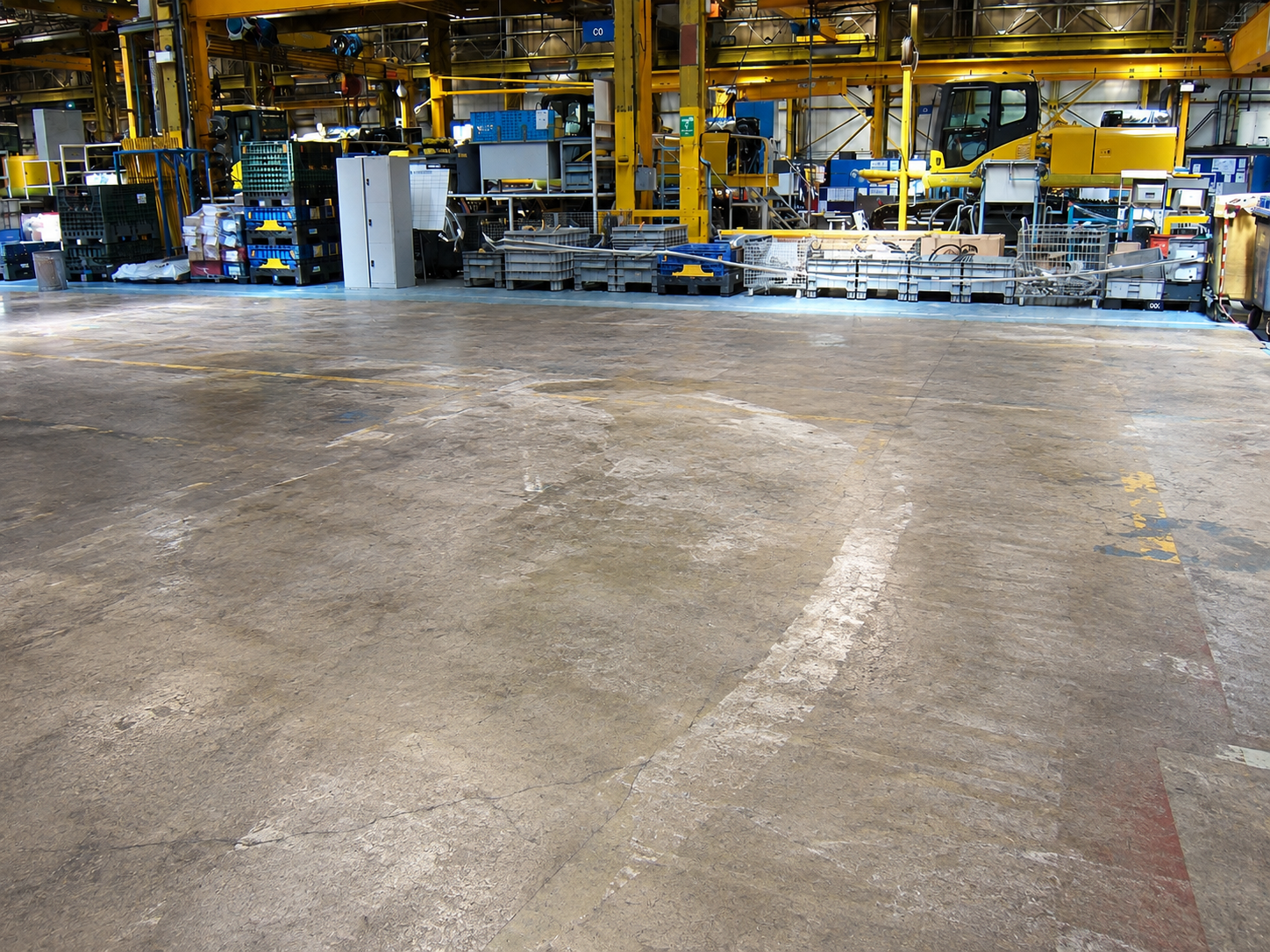
Cracks, open joints, damaged coatings and poorly resolved drainage details can make an existing floor increasingly difficult to clean and maintain. Repeated patch repairs may keep individual areas operational temporarily, but they can also leave a fragmented surface with different levels, textures and material interfaces. Zenith Flooring assesses the complete area before determining what should remain. Failed material is removed, damaged concrete is reinstated and the substrate is mechanically prepared before the selected hygienic resin system is installed.
Falls, drainage channels, kerbs, equipment bases and wall junctions can be incorporated into the flooring scope so that the finished surface works as one continuous installation rather than stopping at the open areas of the room. The result is a durable, washable and maintainable floor developed around the hygiene and operating demands of the process. UK food-premises guidance requires floors in food-preparation areas to be kept in good condition and to be easy to clean, disinfect, hard-wearing and washable.
A dry packing hall, frequently washed production room and temperature-controlled processing area should not automatically receive the same resin build-up.
Zenith Flooring selects the system chemistry, thickness, surface profile and detailing around the conditions within each area. The wider package can also include substrate repairs, falls, coving, drainage interfaces and colour zoning where these are required.
Heavy-duty polyurethane cement screeds are suited to production areas exposed to frequent washdown, hot liquids, food residues, cleaning chemicals and demanding wheeled traffic.
The thicker resin build-up provides a seamless working surface with resistance to impact, abrasion, chemicals and thermal changes. A controlled aggregate texture can also be introduced where water or process contamination creates an increased slip risk. Typical applications include dairies, breweries, meat and seafood processing, ready-meal production, commercial kitchens and other intensively cleaned environments.
Dry production, packing, storage and circulation areas may not require the same heavy-duty screed used in regularly washed environments.
Epoxy and polyurethane coatings or self-smoothing resin systems can provide a clean, continuous finish suited to pedestrian traffic, trolleys, pallet movements and routine cleaning. The specification can be adjusted around abrasion, point loading, chemical exposure and the condition of the existing concrete. Colours and clearly defined zones can also be incorporated to distinguish production areas, walkways, storage positions and operational routes.
The programme and cost depend on the floor area, substrate condition, preparation requirements, system thickness and complexity of the detailing.
Existing coating removal, concrete repairs, moisture control, falls, coving, drainage interfaces, phased working and restricted production windows can all affect the quotation. Rapid-curing systems may reduce downtime where site conditions permit, but the floor must still complete its specified curing period before production, washdown or heavy traffic resumes.
Providing drawings, photographs, hygiene-zone information, cleaning temperatures and the available shutdown period will help Zenith establish an appropriate scope before the site assessment.





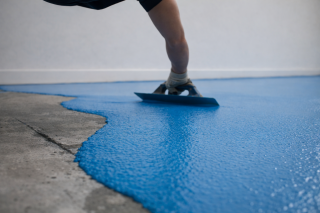
Every site presents different technical, operational and programme requirements. We start by understanding the environment, the existing condition and the outcome you need, before recommending a flooring or roofing solution that can be delivered safely, efficiently and with lasting performance.
A food-production floor is repeatedly exposed to more than operational traffic. Cleaning water, detergents, disinfectants, food residues and changing temperatures can be as demanding as the manufacturing process itself.
Zenith Flooring develops the installation around both parts of the operating cycle. The system must withstand production while also remaining compatible with the cleaning regime required to return the area to a hygienic condition.
The performance of a seamless floor can be undermined where it meets drainage, walls, columns, thresholds and fixed equipment.
Zenith can form resin coving, seal suitable upstands and prepare interfaces around channels, gullies, kerbs and equipment bases. Damaged arrises and poorly bonded previous details are removed rather than hidden beneath the new finish.
These transitions are planned as part of the main installation so that cleaning does not repeatedly encounter avoidable cracks, ledges or incompatible materials. Food-premises structures should be made from durable materials and be easy to maintain, clean and, where appropriate, disinfect.
Water and food contamination can substantially change how a floor performs underfoot. HSE reports that most slips within food and drink manufacturing occur when floors are wet or contaminated with food product.
Zenith selects the aggregate profile and sealing build-up around the expected contaminant, footwear, gradients and cleaning process. A more pronounced texture may be required in frequently wetted production areas, while predominantly dry packing spaces may need a finer and more easily maintained finish.
The aim is not to create the roughest possible floor. It is to provide sufficient grip under the anticipated conditions without creating a texture that unnecessarily retains residues or obstructs effective cleaning.
A seamless resin surface will not correct movement, weak concrete or failed repairs beneath it.
Zenith mechanically prepares the existing slab and removes contamination, coatings and unsound material before installation. Cracks, potholes, drainage edges and damaged concrete are repaired using materials compatible with the intended resin system and production conditions.
Moisture, floor levels and previous construction details are assessed where they could affect adhesion or the finished build-up. This allows the visible hygienic surface to be supported by a sound substrate rather than becoming another layer over unresolved defects.
Food and drink facilities may have only limited periods available between production runs, deep cleans, seasonal shutdowns and engineering works.
Zenith can phase preparation and installation by room, line or hygiene zone where the layout and selected system permit. Rapid-curing repairs and resin systems may also shorten the reopening period when appropriate to the substrate and operating conditions.
Dust extraction, access routes, isolation, odour considerations and the protection of adjoining areas can be incorporated into the working method. Zenith’s existing food-sector service already includes fast-track and phased installation options intended to reduce operational disruption.
The best food production flooring depends on the process, cleaning regime, temperature, traffic and likely contaminants.
Polyurethane cement screeds are often suited to wet processing areas exposed to hot-water washdown, chemicals, impact and thermal change. Epoxy or polyurethane resin systems may be more appropriate for dry production, packing, storage and circulation areas where a smoother finish is required.
A facility may need several compatible systems rather than one flooring specification throughout.
Epoxy flooring provides a seamless, durable finish for many dry production, packing and storage environments. It is available as a coating, self-smoothing system or heavier resin build-up.
Polyurethane cement flooring is generally specified for more demanding conditions, including frequent washdown, hot liquids, food acids, cleaning chemicals and thermal cycling. It is commonly installed at a greater thickness and can incorporate a more pronounced slip-resistant texture.
The correct choice should be based on operating conditions rather than product type alone.
“Food-grade flooring” is commonly used to describe a floor suitable for hygienic food production, but it is not a complete technical specification by itself.
The finished floor should be durable, washable and capable of being effectively cleaned. Its suitability also depends on chemical resistance, slip resistance, detailing, drainage, temperature exposure and the condition of the substrate beneath it.
Zenith develops the flooring build-up around the facility’s process and hygiene requirements rather than relying solely on a generic food-grade label.
Yes, provided the existing substrate is sound and can be properly prepared.
Failed coatings, contamination, weak concrete and damaged repairs must be removed before the new system is installed. Cracks, potholes, drainage edges and changes in level may also require treatment.
Where the existing floor is extensively defective, contaminated or unstable, a more substantial repair or replacement programme may be necessary. A site survey establishes what can remain and what must be removed.
Slip resistance is created by controlling the aggregate and surface texture within the resin system. A heavily textured floor may provide additional grip in wet or contaminated conditions, but it can also require more intensive cleaning.
Zenith considers the expected contaminant, footwear, gradients, drainage and cleaning equipment before specifying the finish. Wet processing and washdown areas may need a more pronounced profile, while dry packing or storage zones may perform better with a finer, more easily maintained surface.
Yes. Resin coving, upstands and detailing around channels, gullies, kerbs, columns and equipment bases can be incorporated into the wider flooring package.
These interfaces are important because cracks, exposed edges and poorly resolved transitions can retain residues or become difficult to clean. Existing drainage details can also be repaired or prepared as part of the work, although major drainage redesign may require coordination with other specialist contractors.
The programme and cost depend on the floor area, substrate condition, preparation requirements, system thickness and complexity of the detailing.
Existing coating removal, concrete repairs, moisture control, falls, coving, drainage interfaces, phased working and restricted production windows can all affect the quotation. Rapid-curing systems may reduce downtime where site conditions permit, but the floor must still complete its specified curing period before production, washdown or heavy traffic resumes.
Providing drawings, photographs, hygiene-zone information, cleaning temperatures and the available shutdown period will help Zenith establish an appropriate scope before the site assessment.
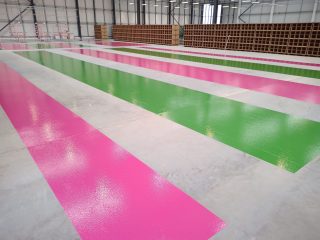
Zenith Flooring installs epoxy, polyurethane and polyaspartic resin flooring systems for commercial and industrial environments across the UK. Our resin coatings and screeds are specified around substrate condition, traffic, impact, chemical exposure, hygiene and curing requirements to deliver a durable, compliant floor with minimal operational disruption.
Zenith Flooring delivers commercial and industrial floor levelling using pumped cementitious screeds and specialist levelling compounds. Selected around the substrate condition, loading, finish and programme requirements, our self-smoothing, fast-drying systems create a durable, even surface for new floors, refurbishment projects or preparation ahead of further flooring installation.
Zenith Flooring provides commercial and industrial floor preparation and concrete repair services, including diamond grinding, vacuum shot blasting, scarifying and scabbling. From removing coatings and weak surface material to repairing cracks, spalled concrete and damaged joints, we create a sound substrate for new flooring systems and restore existing floors to service.
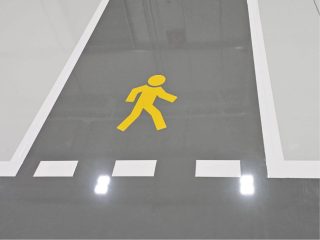
Zenith Flooring delivers durable internal and external line marking for warehouses, factories and commercial sites. From pedestrian walkways and safety zones to loading bays, traffic routes and directional markings, we create clear, hard-wearing layouts that improve site safety, organisation and operational efficiency.
Zenith Flooring installs specialist anti-slip treatments and resin systems that improve safety across commercial and industrial environments. Suitable for tiles, concrete, metal and timber, our professionally applied solutions create durable, slip-resistant surfaces for workplaces, public areas and other high-risk locations.
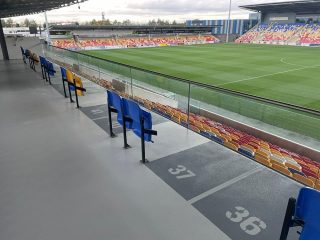
Zenith Flooring installs durable resin flooring systems for stadiums, arenas and major sporting venues. From high-traffic concourses and public areas to kitchens, toilets and plant rooms, we provide slip-resistant finishes, rapid-curing options and clear line marking designed for safety, durability and minimal disruption.
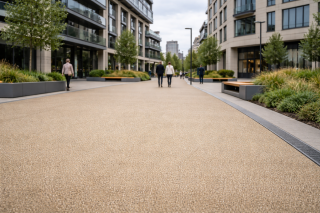
Zenith Flooring installs durable resin bound surfacing for commercial forecourts, pathways, public spaces and pedestrian areas. Combining natural aggregate with a specialist resin, these seamless surfaces provide an attractive, low-maintenance and hard-wearing finish with effective drainage for high-footfall environments.
Zenith Flooring installs electrostatic discharge flooring for environments in which uncontrolled static can affect sensitive equipment, components or processes. Our conductive and static-dissipative resin systems are specified around the project’s electrical-performance criteria, substrate condition, operational demands and wider ESD control plan.
Zenith Flooring seals and dustproofs concrete floors across commercial, public and industrial buildings throughout the UK. Clear sealers, penetrating densifiers and light-duty resin floor seals can reduce surface dusting, make exposed concrete easier to maintain and improve its appearance where a heavier duty system is not required.
Zenith Flooring installs decorative quartz resin systems across floors and walls throughout commercial and public environments. Combining coloured quartz aggregate with a compatible resin build-up creates a durable, seamless and slip-resistant finish suited to leisure centres, pool surrounds, changing facilities and washrooms.
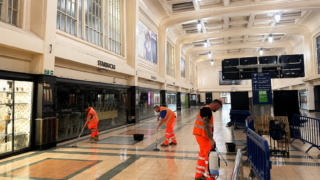
Zenith Flooring delivers lease-end floor removal, repair and reinstatement works across commercial and industrial properties throughout the UK. We can remove tenant-installed finishes and markings, repair the exposed concrete and reinstate the floor to the condition required for handover, reletting or refurbishment.
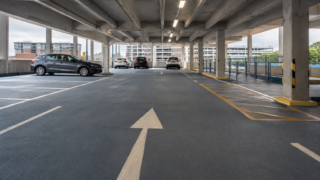
Zenith Flooring installs and refurbishes trafficable resin deck systems across multi-storey car parks, parking structures and private commercial facilities throughout the UK. Our scope can include coating removal, deck preparation, local concrete repairs, waterproof membranes, wearing surfaces and final demarcation.
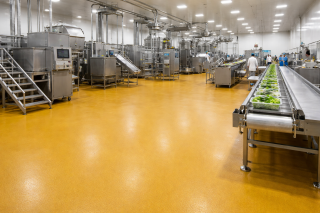
Zenith Flooring installs seamless resin floors and protective bund linings for commercial and industrial environments exposed to chemicals. Our scope can include coating removal, concrete repairs, mechanical preparation, floor and wall linings, upstands, sumps and detailed containment interfaces.
Zenith Flooring installs resin flooring throughout dealerships, workshops, MOT centres, fleet facilities and vehicle-maintenance environments across the UK. From seamless customer-facing floors to hard-wearing workshop coatings. Systems are specified around environment requirements and time available for maintenance.
Zenith Flooring installs and refurbishes resin floors for stores, supermarkets, showrooms, shopping centres and wider retail developments across the UK. We coordinate floor preparation, repairs, levelling and the final resin system around fit-out programmes from customer-facing sales floors and entrances to stockrooms and service corridors.
Zenith Flooring installs hygienic resin flooring for food and drink production facilities across the UK. From wet processing to bakeries, dairies, breweries, commercial kitchens, packing halls and cold-storage environments, each floor is specified around cleaning, temperature, chemicals, traffic, drainage and the available production window.
Tell us a little about your project and the service you require. A member of the Zenith team will review your enquiry and contact you to discuss the next steps.
© 2026 Zenith Group. All rights reserved.
Zenith Flooring Limited and Zenith Roofing Services Limited are part of the Zenith Group.