EPOXY QUARTZ FLOORING & WALL SYSTEMS

Zenith Flooring installs decorative quartz resin systems across floors, walls and detailed vertical surfaces throughout commercial and public environments.

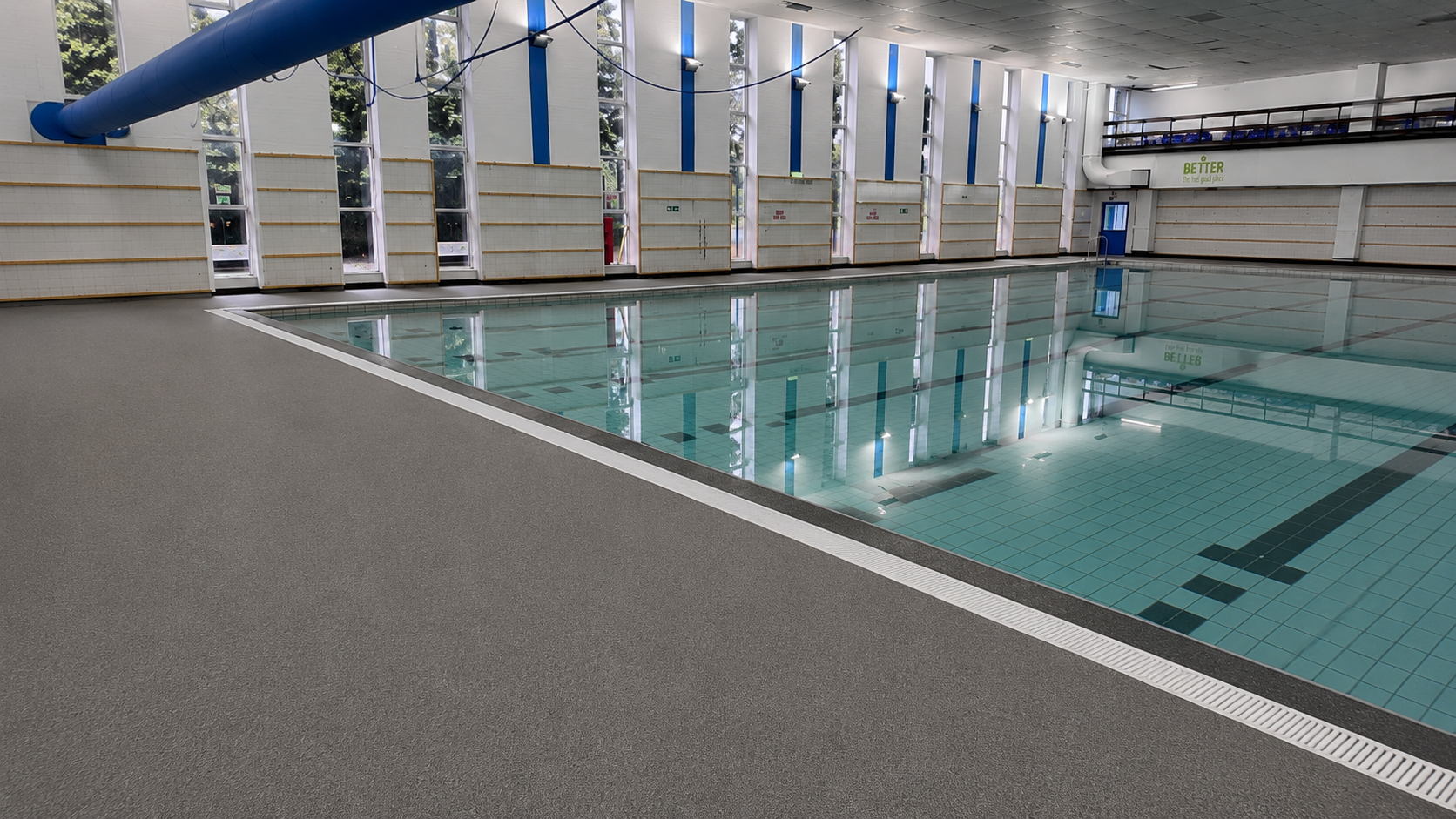
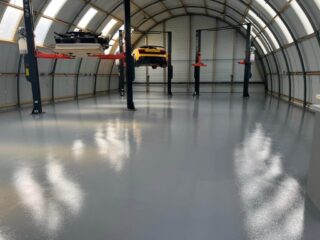
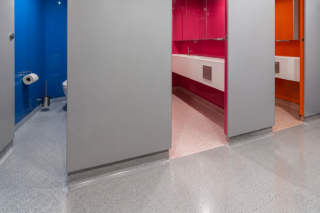
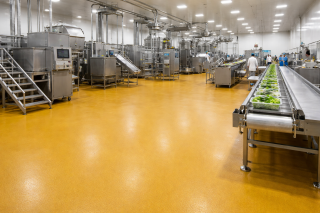
Combining coloured quartz aggregate with a compatible resin build-up creates a durable, seamless and slip-resistant finish suited to leisure centres, pool surrounds, changing facilities, washrooms, hospitality spaces and other busy areas where appearance must work alongside practical performance.

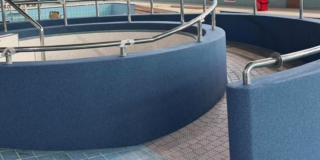
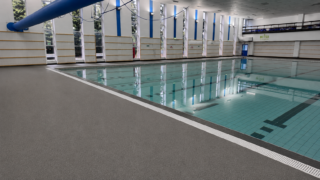
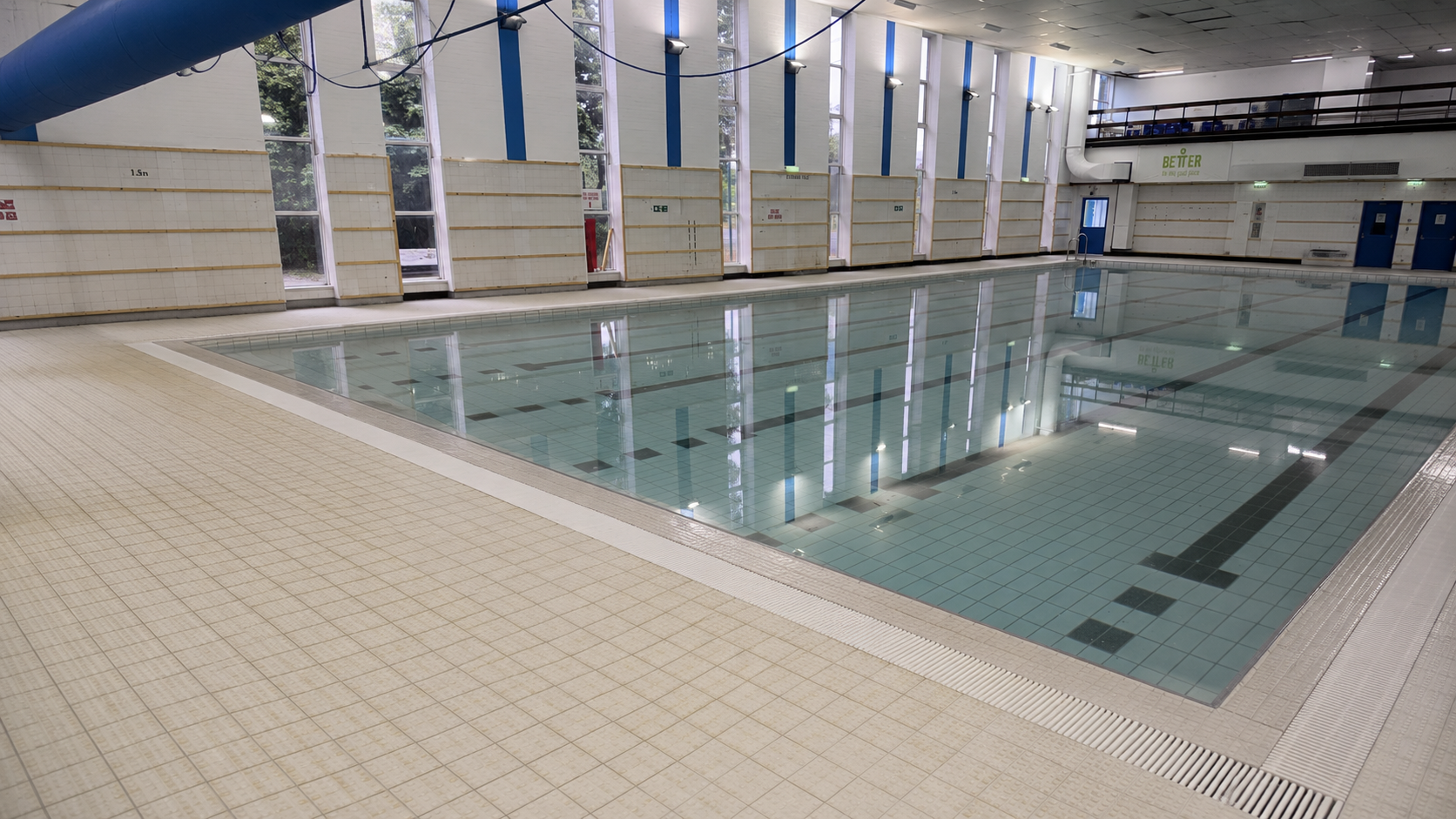
leisure-centre-quartz-beforeleisure-centre-quartz-after 2

TURNING TIRED TILED AREAS INTO CONTINUOUS QUARTZ SURFACES

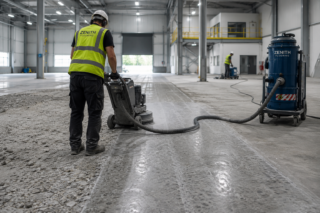
Tiled floors and walls can become dated, damaged or increasingly difficult to maintain as grout lines deteriorate and repairs accumulate. In suitable conditions, the existing surface may be professionally prepared and incorporated into a new quartz resin build-up rather than removed in its entirety. Zenith Flooring assesses the tiles, concrete or existing resin surface before determining what can remain. Depending on the substrate, preparation may include strength testing, local tile removal, grinding away the glazed surface, repairing defects and introducing primers or reinforcement layers before the quartz system is applied.

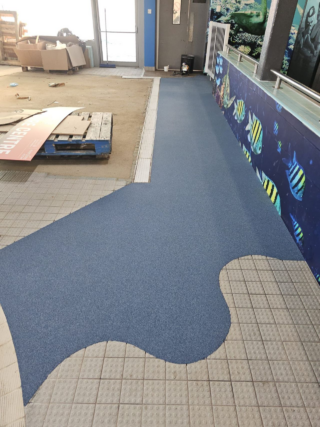
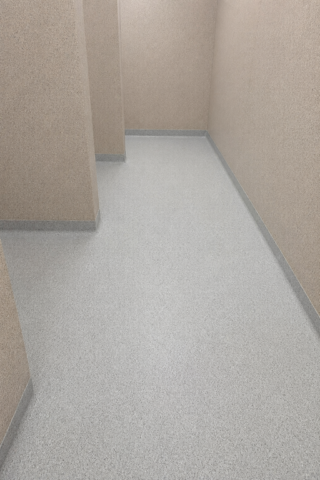
The decorative aggregate is then encapsulated within the resin and finished with compatible grout and seal coats. The same blend can continue from the main floor into coving, upstands, walls and selected built-in features, reducing visual interruption between adjoining surfaces.

The result is a coordinated finish with no conventional grout joints across the treated areas – suited to environments where heavy foot traffic, moisture, cleaning and visual presentation must all be considered together. Decorative quartz resin systems are used commercially because they combine coloured aggregate appearance with hard-wearing and slip-resistant resin performance.

DECORATIVE QUARTZ RESIN SYSTEMS

THE FINISH CAN CONTINUE BEYOND THE FLOOR.

Quartz resin surfacing can be adapted around the condition and use of each area. A public circulation space may require a controlled decorative texture, while a pool surround or heavily wetted environment may need a more substantial screed and a more pronounced slip-resistant profile.

Zenith Flooring selects the resin chemistry, system thickness, aggregate blend and seal coats around the substrate, moisture exposure, traffic, cleaning regime and required appearance.

Working alongside leading brands

WORK WITH ZENITH

Ready to move your project forward?

Every site presents different technical, operational and programme requirements. We start by understanding the environment, the existing condition and the outcome you need, before recommending a flooring or roofing solution that can be delivered safely, efficiently and with lasting performance.

QUARTZ SURFACING DEPENDS ON CONTROL AT EVERY STAGE

The finished appearance is created from thousands of individual aggregate particles, but the performance depends on the complete resin build-up beneath and around them.

Zenith Flooring manages the process from substrate investigation and preparation through to reinforcement, quartz application, grout coats, sealing and final inspection. Each stage is coordinated so that floors and vertical surfaces form one considered installation rather than separate finishes that happen to share a colour.

CONFIRMING WHAT CAN REMAIN

Overlaying an existing tiled or resin surface can reduce unnecessary removal, but only where the materials beneath remain securely bonded and suitable for the proposed system.

Zenith examines the condition of the floor and walls before work begins. Existing tiles may be tested, with loose or defective areas removed and reinstated. Glazed surfaces are mechanically abraded to create a suitable key, while cracks, joints and changes in substrate are addressed according to the selected build-up.

Primers and reinforcement mesh may be incorporated where required to strengthen the interface and reduce the risk of existing defects transferring through the completed surface. Resin manufacturers similarly stress that substrate preparation and compatible priming are essential to reliable resin installation.

BUILDING A CONSISTENT QUARTZ FINISH

The appearance of a quartz floor depends on consistent aggregate selection, distribution and resin coverage throughout the installation.

Zenith controls the working sequence so that the blend remains even across adjoining areas and natural stopping points are established before application begins. Careful treatment around edges, corners, drains and vertical returns helps prevent visible changes in texture or isolated areas of excess resin.

Grout coats bind and consolidate the quartz surface before clear or pigmented seal coats establish the final sheen, texture and maintenance characteristics.

GRIP THAT REMAINS PRACTICAL TO CLEAN

Wet leisure and changing environments require sufficient surface texture without creating a floor that becomes unnecessarily uncomfortable underfoot or difficult to maintain.

The aggregate grading and seal-coat build-up influence how pronounced the final profile becomes. A lighter texture may suit corridors, changing areas and predominantly dry spaces, while pool surrounds and regularly wetted surfaces may require greater slip resistance.

The specification must balance the expected water exposure, gradients, barefoot or shod traffic and cleaning process. Quartz systems are available with tailored wet-area profiles that combine slip resistance with a sealed, maintainable surface

DETAILING THE COMPLETE SURFACE

The benefit of quartz surfacing becomes most visible where the floor meets the surrounding construction.

Zenith can coordinate coves, drainage interfaces, thresholds, wall returns, corners, columns and selected fitted elements within the flooring scope. These details are prepared and applied using methods appropriate to their shape and orientation rather than relying on the floor system to behave identically on every surface. Continuing the aggregate blend through these transitions creates a more resolved finish while reducing the number of dissimilar materials meeting within wet or intensively cleaned areas.

Epoxy quartz flooring is a resin system containing coloured quartz aggregate. The quartz creates a durable, multi-tonal finish, while the resin binds and seals the surface.

Depending on the system, the aggregate may be broadcast into a resin layer or mixed into a thicker trowel-applied screed. Grout and seal coats are then used to achieve the required texture, appearance and cleaning characteristics.

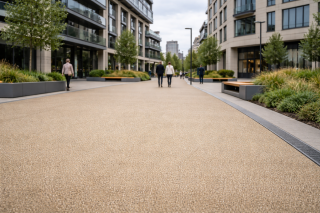
Quartz resin systems can be used across floors, coves, upstands, walls and selected vertical details.

Typical applications include leisure centres, pool surrounds, changing rooms, washrooms, spas, corridors, hospitality facilities and other wet or high-footfall environments. The system build-up may vary between horizontal and vertical surfaces, even where the same aggregate blend is used throughout.

Yes, in some cases. Existing tiles may be suitable for an overlay when they remain securely bonded and the underlying construction is stable.

Zenith assesses the tiled surface before installation. Loose or defective tiles are removed, glazed faces are mechanically abraded and cracks or damaged areas are repaired. Primers and reinforcement layers may also be required before the quartz system is applied.

Where the existing tiles or substrate are extensively defective, removal may be the more reliable option.

Yes. Textured quartz resin systems can be specified for pool surrounds, shower areas, changing facilities and other spaces regularly exposed to water.

The aggregate grading and seal-coat build-up determine the finished surface profile. Wet areas may require a more pronounced texture than corridors or predominantly dry spaces, but the floor must still remain comfortable underfoot and practical to clean.

Falls, drainage and routine contamination control remain important parts of the wider design.

Yes. Compatible quartz resin systems can be applied to walls, coves, upstands, benching and other prepared vertical surfaces.

Continuing the aggregate blend beyond the floor can create a coordinated finish and reduce the number of material transitions within wet or intensively cleaned environments. Vertical application requires its own resin binder, preparation method and working technique to prevent slumping and maintain consistent aggregate coverage.

Routine maintenance generally involves regular vacuuming or sweeping, followed by cleaning with suitable equipment and a compatible detergent.

The cleaning method should reflect the level of surface texture. More heavily profiled wet-area finishes may require mechanical agitation to remove residues from between the aggregate particles. Abrasive tools and unsuitable chemical products should be avoided where they could damage or dull the seal coats.

Damaged areas should be assessed promptly to prevent moisture or contamination reaching the build-up beneath.

Cost depends on the floor area, substrate condition, system thickness, aggregate blend and level of detailing required.

Existing tile preparation, repairs, reinforcement, coving, drainage interfaces and the treatment of walls or vertical surfaces can all affect the quotation. Wet-area screeds and intricate wall-and-floor installations will normally have a different cost profile from a straightforward decorative quartz floor.

Photographs, drawings, approximate areas and details of the existing substrate will help Zenith Flooring establish an initial scope before the site assessment.

ALL ZENITH FLOORING SERVICES

GET STARTED

Tell us a little about your project and the service you require. A member of the Zenith team will review your enquiry and contact you to discuss the next steps.