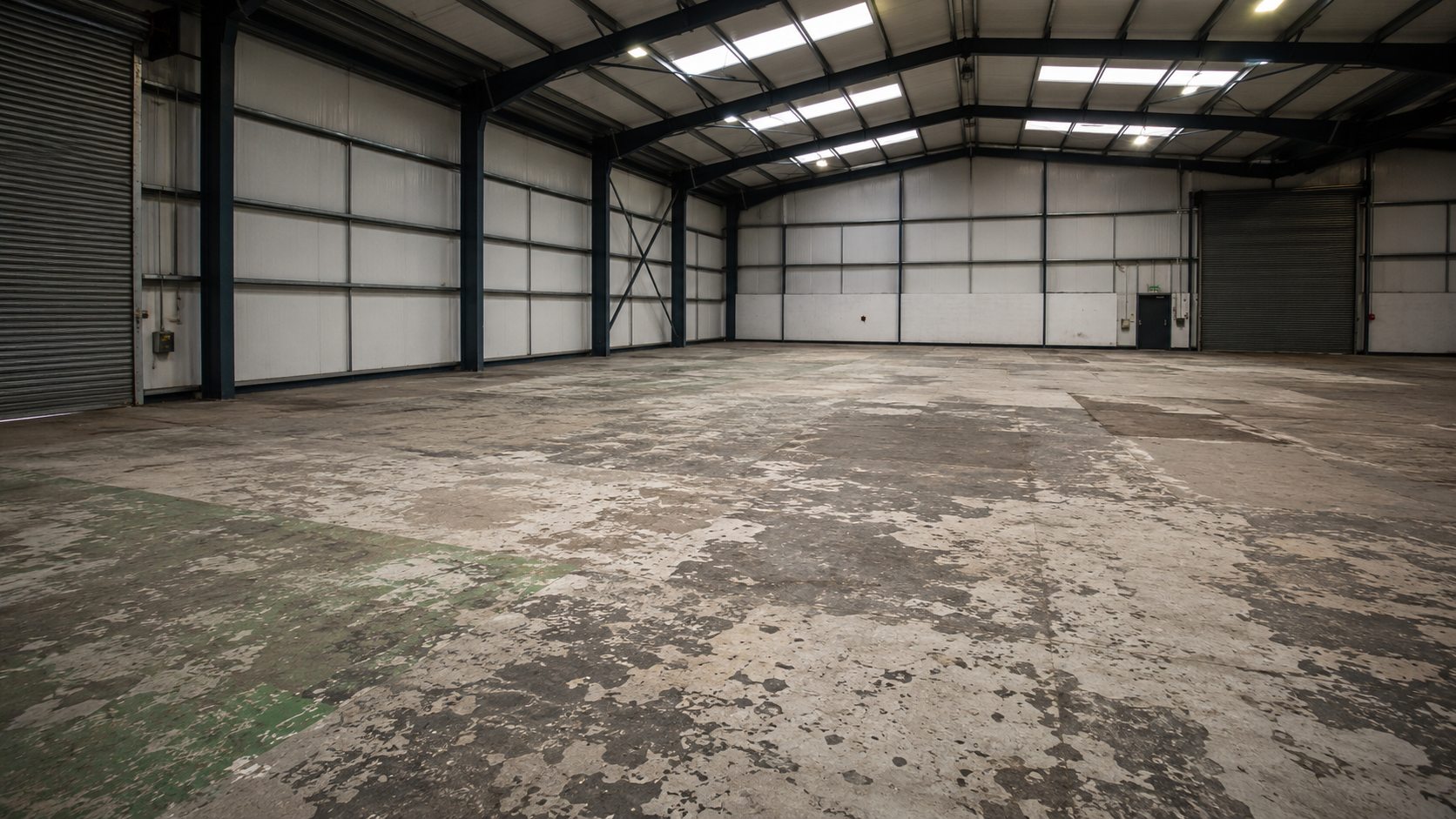
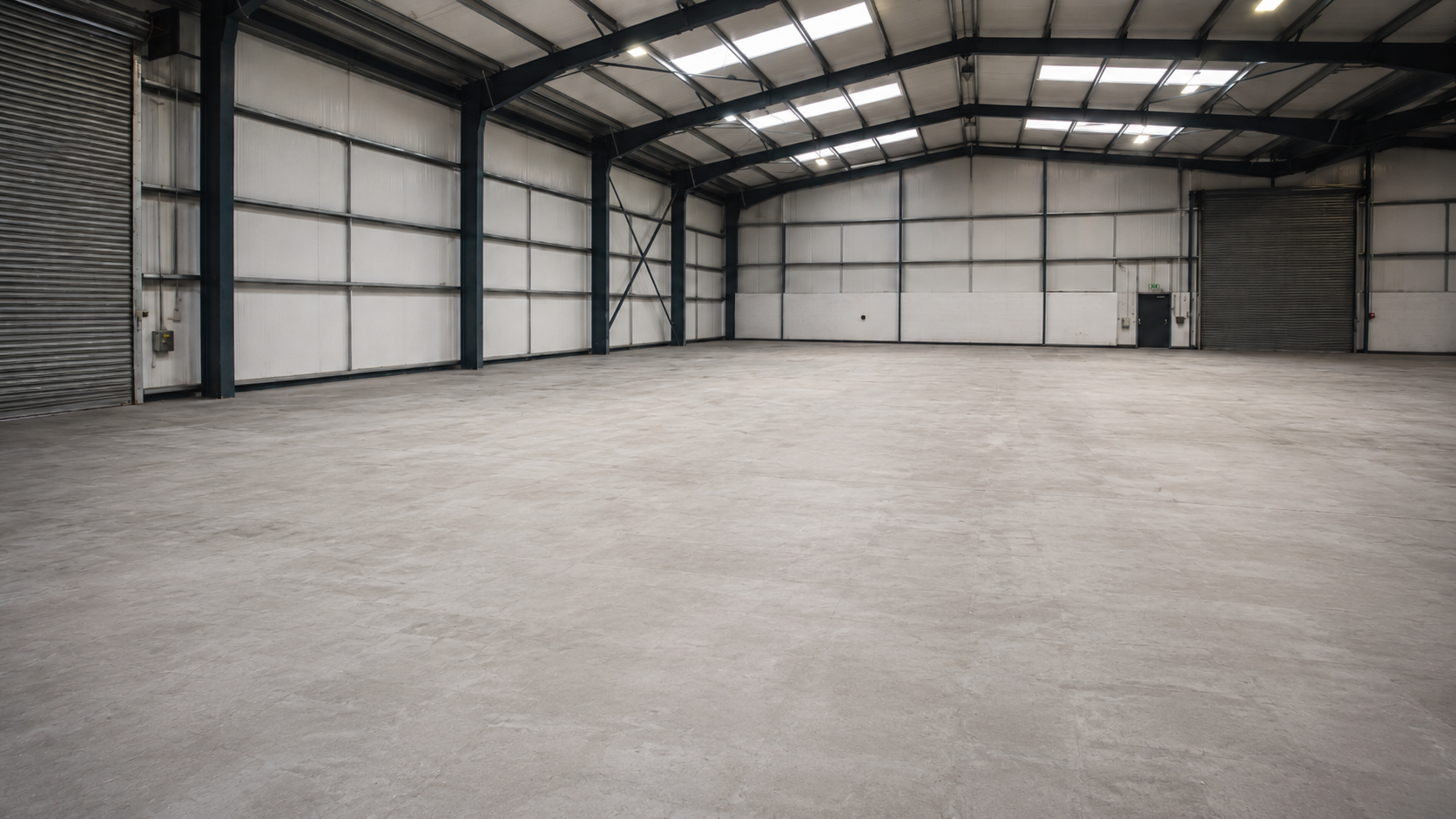
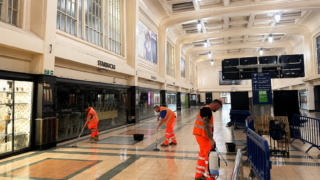
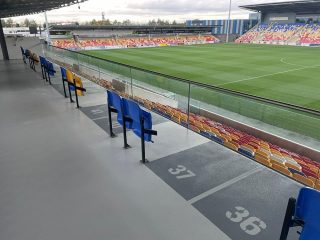
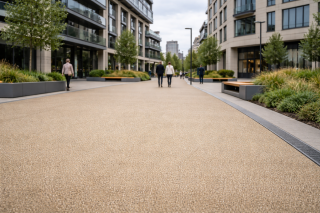
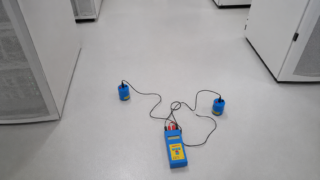
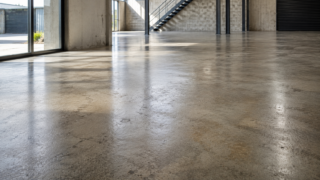
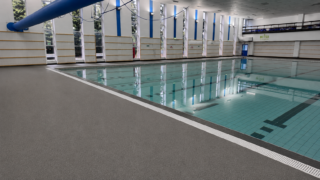
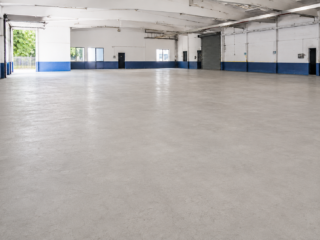
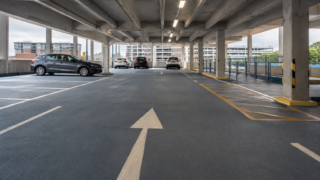
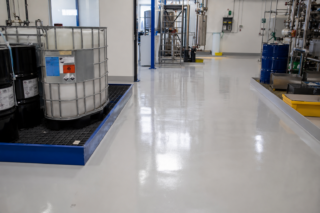
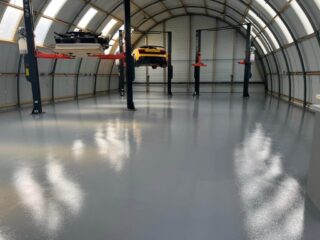
Zenith Flooring repairs damaged concrete, removes failed finishes and prepares existing floors for resin, screed and commercial flooring systems across the UK. From occupied retail and public buildings to leisure facilities, transport environments, production sites and large commercial refurbishments, we develop the preparation scope around the substrate, the proposed finish and the practical demands of the project.

An existing floor can look serviceable while concealing weak concrete, failed repairs, adhesive residues, contamination or coatings that are no longer properly bonded. These conditions often become apparent only once the old finish has been removed—or after the replacement system has begun to fail.
Zenith Flooring investigates the substrate before deciding how aggressively it should be treated. Some areas may require little more than controlled diamond grinding. Others may need failed material removed, cracks and spalled concrete repaired, high points reduced or the surface mechanically profiled before the next floor can be installed.
The purpose of floor preparation is not simply to strip everything back. It is to leave behind the right surface: sound, clean, stable and compatible with what comes next.
No two existing floors present the same starting point. A retail fit-out may involve adhesive and smoothing-compound removal, while a school, hospital, leisure centre or industrial facility may require damaged concrete to be rebuilt before the new flooring package can begin.
Zenith Flooring selects the preparation method according to the material being removed, the strength of the concrete, the condition that must remain and the profile required by the specified finish.
Cracks, potholes, spalling, broken edges and failed previous repairs can interrupt the finished surface and create weak points beneath a new flooring system.
Zenith Flooring removes loose or unsound material before reinstating the affected area with an appropriate cementitious or resin-based repair material. The repair is developed around the depth of the defect, the surrounding concrete, anticipated use and the time available before the area must return to service.
Repairs can be coordinated around doorways, thresholds, columns, drainage, service penetrations, equipment bases and other details where a standard patching approach would be insufficient.
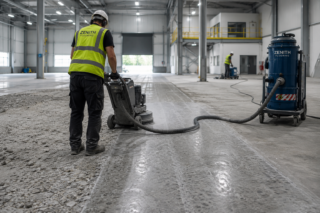
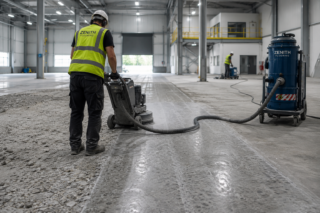
Diamond floor grinding provides a controlled method of removing coatings, adhesives, surface laitance and minor imperfections without unnecessarily breaking out the underlying slab.
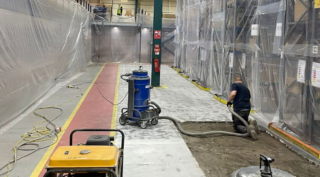
Different tooling can be used to clean, smooth or profile the floor according to the specified outcome. Larger machines address open areas, while enclosed hand-held equipment allows edges, corners, columns and fixed details to be prepared as part of the same operation.
Diamond grinding is frequently used before resin coatings, smoothing compounds, bonded screeds, vinyl, tile and other commercial flooring systems where the condition of the substrate will remain visible through the finished build-up.
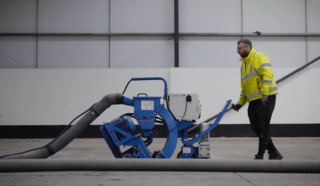
Shot blasting creates a clean, mechanically profiled concrete surface across larger areas. It is commonly used where existing contamination, weak surface material or a previous finish must be removed before a bonded flooring system is installed.
Scarifying and scabbling provide progressively more aggressive treatment where thicker coatings, surface irregularities or unsound concrete must be taken away. These methods can also create the deeper profile required beneath certain screeds and heavy-duty toppings.
The correct method is determined by what must be removed and what the new system requires—not simply by floor area or programme.


Every site presents different technical, operational and programme requirements. We start by understanding the environment, the existing condition and the outcome you need, before recommending a flooring or roofing solution that can be delivered safely, efficiently and with lasting performance.
Previous finishes, repairs, moisture exposure, contamination and construction tolerances can vary considerably across the same building. Zenith Flooring assesses these conditions before developing a preparation and repair schedule that responds to the actual substrate rather than assuming the floor is uniform throughout.
The visible defect is not always the underlying cause. A coating may have failed because of weak concrete, moisture, contamination or movement. A recurring crack may require a different response from an isolated impact repair.
Depending on the project, the initial assessment may consider:
This helps establish what can remain, what must be removed and whether any issue requires input beyond the flooring package.
A floor can be clean without being suitably prepared. The next system may require a particular texture, degree of porosity or depth of mechanical profile to achieve the intended bond.
Thin coatings and resilient floor coverings generally demand controlled preparation and a consistent substrate. Heavier screeds and resin toppings may require a more pronounced mechanical key. Applying the wrong method can leave the floor either insufficiently prepared or more heavily damaged than necessary. Zenith Flooring therefore works back from the proposed finish when selecting the equipment, tooling and level of removal.
Large preparation machines address open floor areas efficiently, but failures frequently begin around the parts of the floor that are harder to reach.
Edges, corners, drains, columns, door thresholds, kerbs, service penetrations and fixed fixtures require separate consideration. These areas may need hand grinding, local breakout, repair or detailed preparation to ensure the new system remains continuous across the full installation. Treating these interfaces as part of the primary scope avoids leaving narrow bands of poorly prepared material beneath the finished floor.
Floor preparation can take place in buildings that remain partially operational, including retail premises, healthcare environments, schools, leisure facilities, offices, transport buildings and public spaces.
Noise, dust, waste movements, access routes and the sequencing of surrounding trades must therefore be considered alongside the preparation method itself. Where site conditions permit, work can be divided into phases or completed during closures, shutdowns and restricted-access periods.
Industrial extraction, contained equipment and appropriate isolation measures can be incorporated according to the environment and the requirements of the wider construction programme.
Commercial floor preparation involves removing unsuitable surface material, repairing defects and creating the substrate condition required by the new flooring system.
The scope may include coating or adhesive removal, diamond grinding, shot blasting, scarifying, scabbling, crack repairs, local concrete reinstatement and detailed preparation around edges, columns, drains and thresholds. The exact process depends on the existing floor and the finish being installed above it.

The correct method depends on what must be removed, the strength of the concrete and the profile required by the next system.
Diamond grinding provides relatively controlled removal, while shot blasting creates a consistent mechanical profile across larger areas. Scarifying and scabbling are more aggressive and may be required for thicker materials, significant irregularities or weak surface concrete. More than one method may be used across the same project.
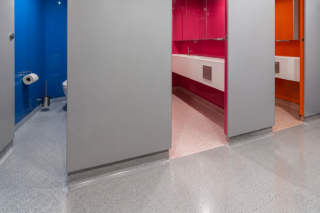
Yes. Most bonded coatings, adhesives, smoothing compounds and flooring residues can be removed mechanically, provided the underlying concrete remains suitable.
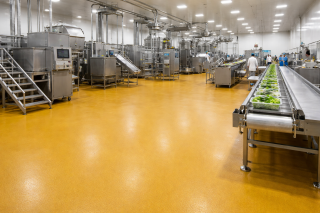
The material should be identified before work begins because some residues respond better to grinding, while others require heavier treatment. Older adhesives and coatings may also need specialist testing where their composition is unknown or potentially hazardous.
Cracks should be assessed and treated before the new flooring system is installed, but the repair method depends on why the crack formed.
A stable, non-moving crack may be cleaned and filled with a compatible repair material. Cracks associated with movement, settlement or structural issues require further investigation, as simply filling the visible opening may not prevent it from reappearing through the finished floor.
Yes. Potholes, spalled areas, damaged edges and isolated weak sections can often be removed and reinstated without replacing the complete concrete floor.
The damaged material is broken out to sound concrete before the area is rebuilt using a cementitious or resin-based repair system selected for the depth, loading and available curing time. More extensive replacement may be necessary where deterioration affects a significant proportion of the slab or its structural performance.
The floor should be inspected for soundness, cleanliness, moisture condition and the required surface profile before installation continues.
Checks may include visual inspection, pull-off or bond testing, moisture testing and confirmation that dust, contamination, loose material and incompatible residues have been removed. The acceptance criteria should be based on the resin, screed, coating, adhesive or floor covering that will follow.
Yes, although the work must be planned around access, noise, dust, waste removal and the activities continuing nearby.
Preparation can often be phased by area or scheduled around shutdowns, closures and restricted working periods. Industrial extraction and contained equipment can reduce airborne dust, but mechanical preparation remains disruptive work and should be coordinated with the wider site programme before it begins.
Zenith Flooring installs epoxy, polyurethane and polyaspartic resin flooring systems for commercial and industrial environments across the UK. Our resin coatings and screeds are specified around substrate condition, traffic, impact, chemical exposure, hygiene and curing requirements to deliver a durable, compliant floor with minimal operational disruption.
Zenith Flooring delivers commercial and industrial floor levelling using pumped cementitious screeds and specialist levelling compounds. Selected around the substrate condition, loading, finish and programme requirements, our self-smoothing, fast-drying systems create a durable, even surface for new floors, refurbishment projects or preparation ahead of further flooring installation.
Zenith Flooring provides commercial and industrial floor preparation and concrete repair services, including diamond grinding, vacuum shot blasting, scarifying and scabbling. From removing coatings and weak surface material to repairing cracks, spalled concrete and damaged joints, we create a sound substrate for new flooring systems and restore existing floors to service.
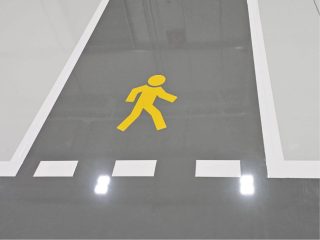
Zenith Flooring delivers durable internal and external line marking for warehouses, factories and commercial sites. From pedestrian walkways and safety zones to loading bays, traffic routes and directional markings, we create clear, hard-wearing layouts that improve site safety, organisation and operational efficiency.
Zenith Flooring installs specialist anti-slip treatments and resin systems that improve safety across commercial and industrial environments. Suitable for tiles, concrete, metal and timber, our professionally applied solutions create durable, slip-resistant surfaces for workplaces, public areas and other high-risk locations.
Zenith Flooring installs durable resin flooring systems for stadiums, arenas and major sporting venues. From high-traffic concourses and public areas to kitchens, toilets and plant rooms, we provide slip-resistant finishes, rapid-curing options and clear line marking designed for safety, durability and minimal disruption.
Zenith Flooring installs durable resin bound surfacing for commercial forecourts, pathways, public spaces and pedestrian areas. Combining natural aggregate with a specialist resin, these seamless surfaces provide an attractive, low-maintenance and hard-wearing finish with effective drainage for high-footfall environments.
Zenith Flooring installs electrostatic discharge flooring for environments in which uncontrolled static can affect sensitive equipment, components or processes. Our conductive and static-dissipative resin systems are specified around the project’s electrical-performance criteria, substrate condition, operational demands and wider ESD control plan.
Zenith Flooring seals and dustproofs concrete floors across commercial, public and industrial buildings throughout the UK. Clear sealers, penetrating densifiers and light-duty resin floor seals can reduce surface dusting, make exposed concrete easier to maintain and improve its appearance where a heavier duty system is not required.
Zenith Flooring installs decorative quartz resin systems across floors and walls throughout commercial and public environments. Combining coloured quartz aggregate with a compatible resin build-up creates a durable, seamless and slip-resistant finish suited to leisure centres, pool surrounds, changing facilities and washrooms.
Zenith Flooring delivers lease-end floor removal, repair and reinstatement works across commercial and industrial properties throughout the UK. We can remove tenant-installed finishes and markings, repair the exposed concrete and reinstate the floor to the condition required for handover, reletting or refurbishment.
Zenith Flooring installs and refurbishes trafficable resin deck systems across multi-storey car parks, parking structures and private commercial facilities throughout the UK. Our scope can include coating removal, deck preparation, local concrete repairs, waterproof membranes, wearing surfaces and final demarcation.
Zenith Flooring installs seamless resin floors and protective bund linings for commercial and industrial environments exposed to chemicals. Our scope can include coating removal, concrete repairs, mechanical preparation, floor and wall linings, upstands, sumps and detailed containment interfaces.
Zenith Flooring installs resin flooring throughout dealerships, workshops, MOT centres, fleet facilities and vehicle-maintenance environments across the UK. From seamless customer-facing floors to hard-wearing workshop coatings. Systems are specified around environment requirements and time available for maintenance.
Zenith Flooring installs and refurbishes resin floors for stores, supermarkets, showrooms, shopping centres and wider retail developments across the UK. We coordinate floor preparation, repairs, levelling and the final resin system around fit-out programmes from customer-facing sales floors and entrances to stockrooms and service corridors.
Zenith Flooring installs hygienic resin flooring for food and drink production facilities across the UK. From wet processing to bakeries, dairies, breweries, commercial kitchens, packing halls and cold-storage environments, each floor is specified around cleaning, temperature, chemicals, traffic, drainage and the available production window.
Tell us a little about your project and the service you require. A member of the Zenith team will review your enquiry and contact you to discuss the next steps.
© 2026 Zenith Group. All rights reserved.
Zenith Flooring Limited and Zenith Roofing Services Limited are part of the Zenith Group.